
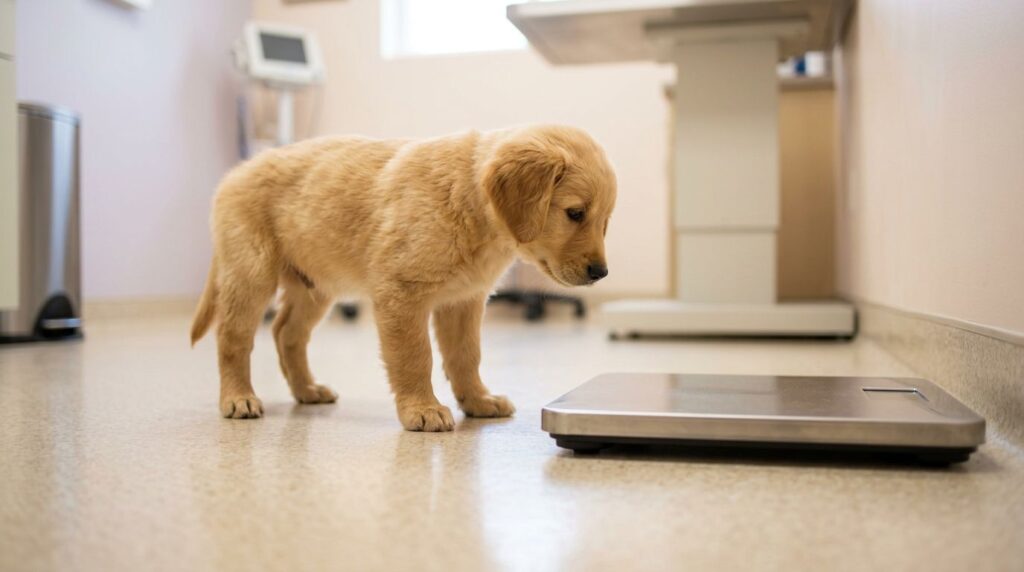
Even when a dog fetches tennis balls with boundless enthusiasm or a cat purrs contentedly in a sunny window, internal biological changes can occur silently beneath the surface. Animals naturally instinctually conceal discomfort and illness, an evolutionary trait designed to protect them in the wild. Consequently, outward physical appearances do not always reflect underlying organ performance. When a surgical procedure, professional dental cleaning, or sedated diagnostic scan becomes necessary, ensuring your companion can safely process anesthetic medications stands as our primary goal. Knowing what to expect when your pet needs anesthesia is the first step toward a safe and stress-free recovery.
Running a simple laboratory screen prior to administering any sedative or anesthetic agent functions as a vital medical safety net. Before your pet undergoes a procedure, pre-anesthetic bloodwork provides our veterinary team with a real-time window into their internal chemistry. By evaluating kidney performance, liver enzyme levels, red blood cell counts, and blood clotting capabilities, we identify hidden metabolic changes long before physical symptoms surface.
Planning for an upcoming procedure can feel stressful for pet owners, but routine pre-operative screening replaces anxiety with medical clarity. Instead of assuming your pet is healthy based on external signs alone, diagnostic testing delivers concrete data. Having this information allows our team at Adobe Veterinary Clinic to build a tailored medical plan that keeps your companion comfortable, safe, and protected throughout their stay with us.
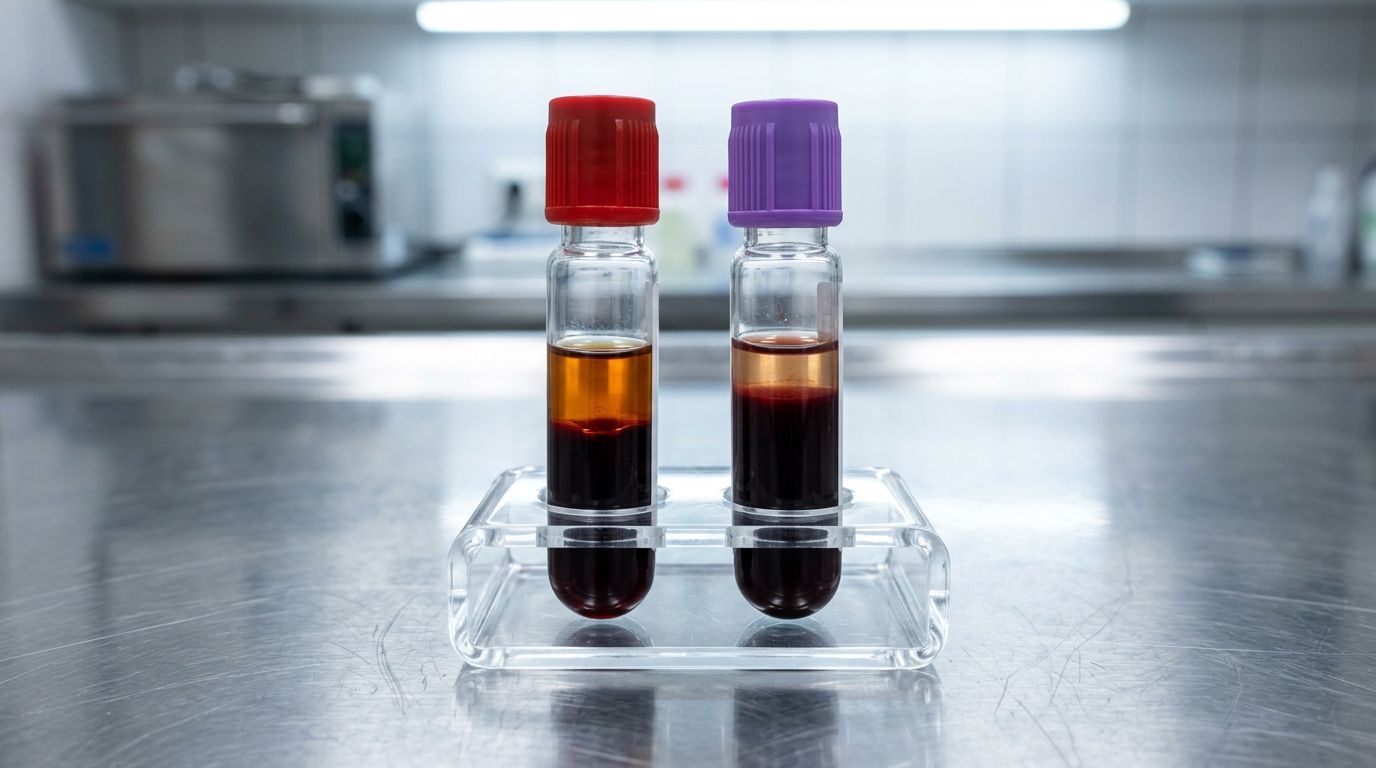
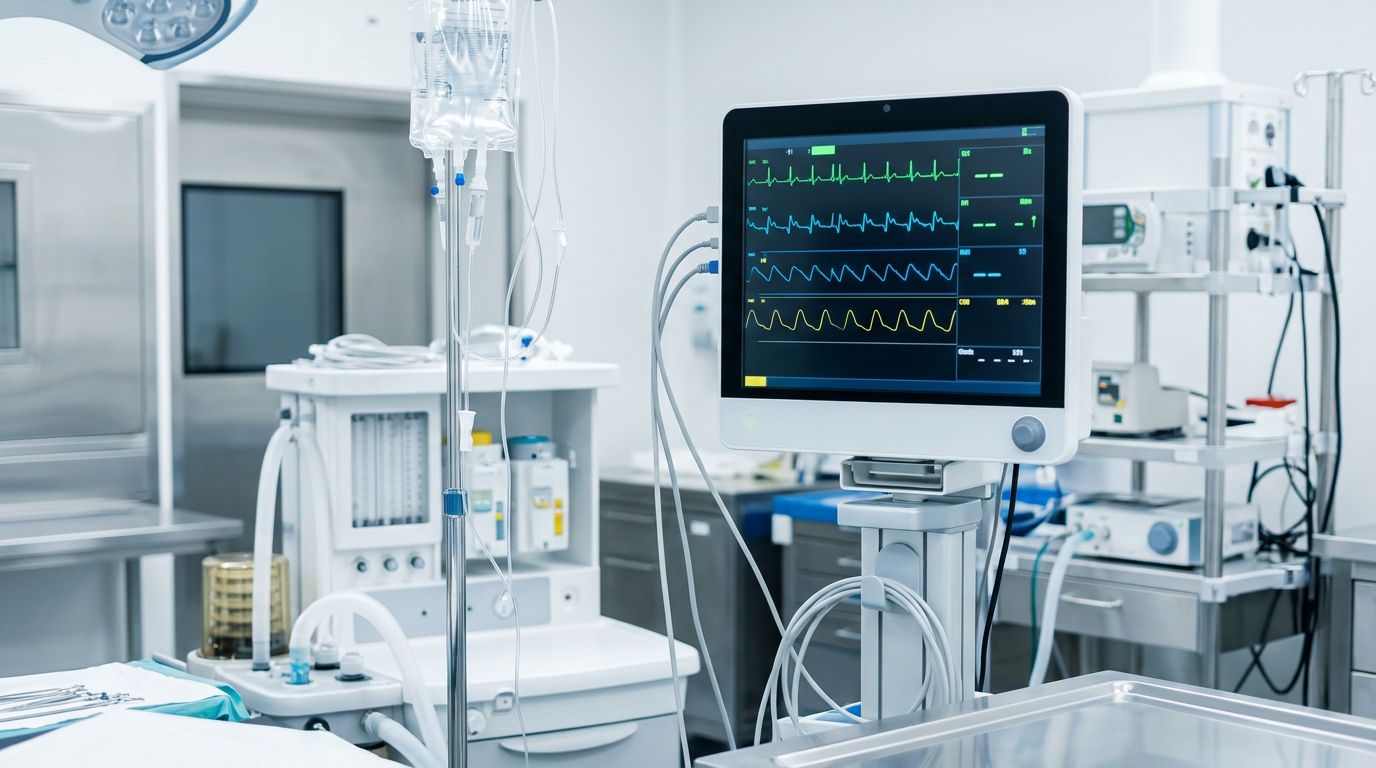
Table of Contents
- Decoding the Diagnostic Panel: Liver Function, Kidney Health, and Blood Count Metrics
- Tailoring Treatment Plans: Adjusting Dosages and Monitoring Based on Lab Data
- From Routine Spays to Senior Dentals: Screening Every Stage of Life
- Total Life Wellness: Integrated Surgical, Preventative, and Dental Solutions
- Community-Focused Compassion: Why East Valley Pet Owners Trust Adobe Veterinary Clinic
- Common Questions from Mesa Pet Parents About Pre-Anesthetic Testing
- Prioritizing Anesthetic Safety: Schedule Your Pet’s Pre-Op Exam Today
Decoding the Diagnostic Panel: Liver Function, Kidney Health, and Blood Count Metrics
Evaluating a pre-anesthetic blood panel involves looking at two distinct diagnostic tests: a Complete Blood Count (CBC) and a Blood Chemistry Profile. Each test measures different biological markers, giving our veterinarians a well-rounded picture of your pet’s overall systemic health. The Complete Blood Count focuses on the cellular components circulating through the bloodstream, providing critical information about immune function and oxygen delivery:- Red Blood Cells: Measuring red blood cells confirms whether your pet has adequate capacity to carry oxygen to vital organs during anesthesia. Identifying mild anemia allows us to address blood volume concerns before starting a procedure.
- White Blood Cells: Checking white blood cell counts helps detect underlying infections or systemic inflammation. If an undetected infection is present, proceeding with elective surgery could delay healing or increase post-operative risks.
- Platelets: Evaluating platelet levels ensures your pet’s blood can clot normally during and after surgical incisions or tooth extractions.
- Liver Enzymes (ALT and ALKP): Because the liver processes and breaks down most anesthetic drugs, verifying healthy liver enzyme levels ensures your pet can clear sedatives smoothly from their system once the procedure finishes.
- Kidney Values (BUN and Creatinine): The kidneys filter waste products and excrete anesthetic metabolites through urine. Detecting early kidney changes helps us take protective measures to preserve renal blood flow during sedation.
- Blood Glucose: Checking sugar levels ensures your pet maintains adequate energy stores to tolerate fasting and procedure recovery, which is especially critical for toy breeds, young puppies, and diabetic patients.
- Total Blood Proteins (Albumin and Globulin): Proteins carry medications through the bloodstream and maintain fluid balance within blood vessels. Low protein levels can alter how anesthetic drugs bind and take effect.
Tailoring Treatment Plans: Adjusting Dosages and Monitoring Based on Lab Data
Receiving news that your pet’s pre-anesthetic lab work showed an abnormal value does not automatically mean a necessary procedure must be canceled. Rather than serving as an automatic obstacle, these findings empower our medical team to make precise, personalized adjustments to your pet’s surgical protocol. Having access to exact lab values allows us to turn a standard medical procedure into a custom-tailored experience. With accurate laboratory data in hand, our veterinarians can modify multiple aspects of your pet’s care plan:- Selecting specific anesthetic medications that bypass the liver or kidneys if early organ stress is detected.
- Fine-tuning drug dosages to match your pet’s specific metabolic rate, preventing prolonged recovery times or grogginess.
- Increasing intravenous (IV) fluid administration rates during surgery to support blood pressure and maintain optimal blood flow through the kidneys.
- Placing additional blood pressure, cardiac, and oxygen monitoring equipment on high-risk patients throughout their time under sedation.
- Delaying elective procedures temporarily to treat underlying issues, such as administering antibiotics for hidden infections or adjusting hydration levels.
From Routine Spays to Senior Dentals: Screening Every Stage of Life
A common misconception among pet owners is that pre-anesthetic bloodwork is only necessary for older dogs and cats. While senior pets certainly face higher risks of age-related organ decline, young animals benefit significantly from pre-operative screening as well. Each stage of a pet’s life brings unique health considerations that laboratory testing helps illuminate. In young puppies and kittens scheduled for routine spay or neuter procedures, bloodwork checks for undetected congenital abnormalities. Conditions such as portosystemic liver shunts or inherited clotting disorders rarely show obvious outward symptoms in early life. Discovering a congenital liver issue before administering routine sedatives prevents severe complications and allows us to adjust medications safely. For mature adults and senior pets undergoing dental cleanings, mass removals, or corrective surgeries, pre-anesthetic screening is essential. Kidney function can decrease noticeably before a pet exhibits increased thirst or changes in urination habits. Identifying subtle renal or hepatic changes allows us to start protective treatments early, preserving health and ensuring senior pets wake up comfortably from dental scaling or minor surgical procedures.Total Life Wellness: Integrated Surgical, Preventative, and Dental Solutions
A commitment to anesthetic safety fits into a broader approach to overall animal health. At Adobe Veterinary Clinic, diagnostic bloodwork serves as a bridge between routine preventative visits and advanced medical treatments. Providing complete, compassionate care across your pet’s entire lifespan requires offering comprehensive services under one roof. Our full-service veterinary care includes:- Preventative & Wellness Care: Regular physical exams, routine blood screenings, customized vaccination schedules, and parasite prevention protect your companion from preventable illnesses at every life stage.
- Advanced Surgical Procedures: From routine spays and neuters to complex soft tissue procedures, our surgical suite uses continuous vital sign monitoring, dedicated nurse oversight, and pre-operative lab work for optimal safety.
- Professional Dental Healthcare: Comprehensive oral evaluations, digital dental radiographs, and thorough scaling beneath the gumline eliminate painful oral infections and preserve teeth under careful anesthetic monitoring.
- Geriatric Pet Care: Tailored senior health evaluations, targeted blood panels, joint management strategies, and chronic disease therapies help your aging companions enjoy comfortable, active golden years.
Community-Focused Compassion: Why East Valley Pet Owners Trust Adobe Veterinary Clinic
Serving families across Mesa and the surrounding East Valley for decades, Adobe Veterinary Clinic has built a reputation on honest communication, medical excellence, and genuine kindness. We understand that leaving a pet for surgery or dental work can feel emotionally taxing. Taking the time to walk you through diagnostic findings, explain procedure steps, and answer your questions directly is how we ensure you feel supported every step of the way. Conveniently located at 6454 E. Main St., our full-service hospital combines advanced laboratory equipment, surgical suites, and preventative care in one welcoming facility. Having comprehensive diagnostic tools on-site allows us to run pre-anesthetic bloodwork efficiently, minimizing wait times and streamlining your pet’s appointment. Treating your pets with the same gentleness and respect we give our own companions remains the founding principle of our practice.Common Questions from Mesa Pet Parents About Pre-Anesthetic Testing