

Keeping a cat strictly indoors provides excellent protection against busy traffic, coyotes, and neighborhood fights. Naturally, many pet parents assume that living behind closed doors creates an impenetrable shield against contagious illnesses. Relying solely on living room walls for disease prevention, however, overlooks microscopic threats that easily bypass household entryways. Infectious viruses, hitchhiking parasites, and unexpected wildlife intrusions routinely find their way into climate-controlled homes across the East Valley.
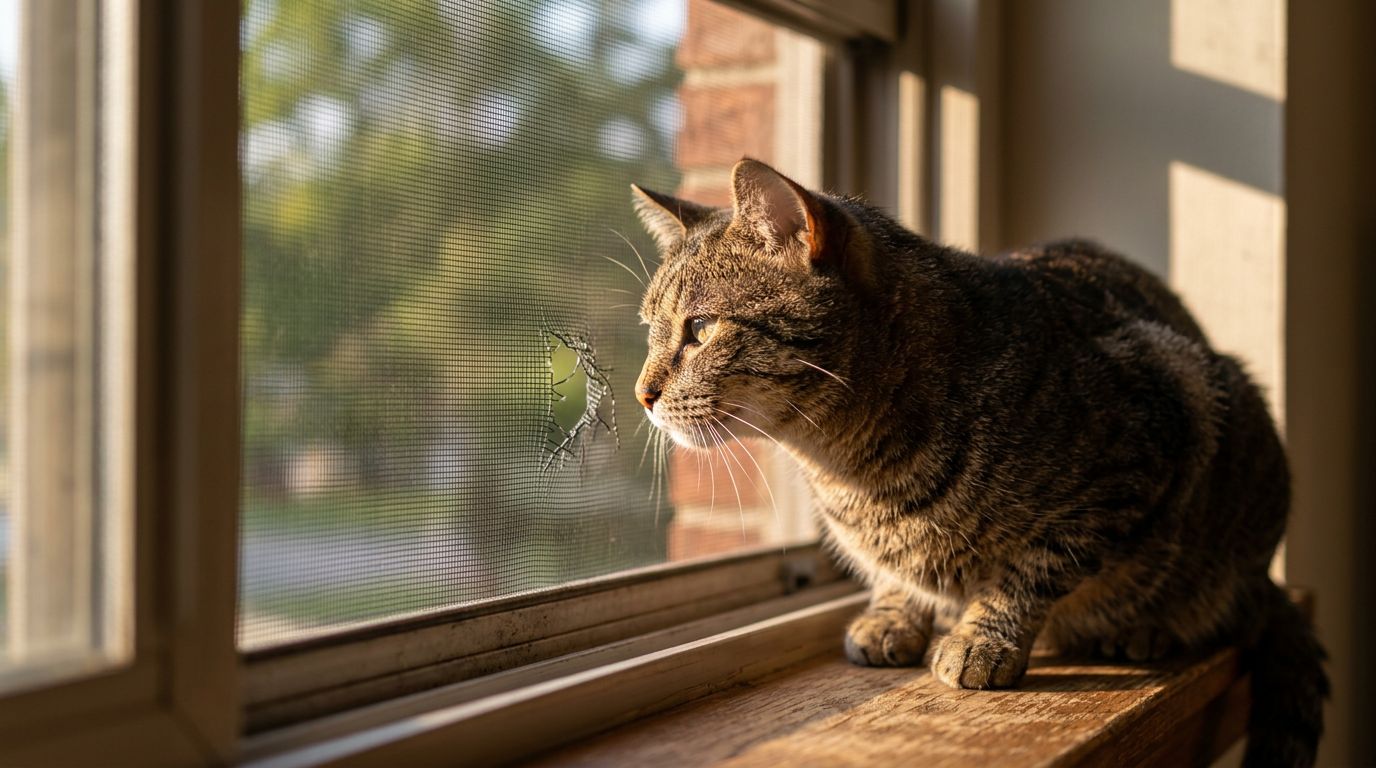
Carried inside on the soles of shoes or lower pant legs, resilient viral particles can survive in the environment for weeks. Every time someone steps into your living room after walking through a park or pet store, invisible pathogens may tag along. Window screens also present surprising vulnerabilities. During pleasant autumn or spring months in Mesa, open windows allow fresh air to circulate, but torn mesh or loose frames can invite insects or small wildlife inside.
Table of Contents
- Essential Defense Lines: Core vs. Non-Core Feline Immunizations
- Arizona Regulations and Legal Imperatives: Why Rabies Protection is Non-Negotiable
- Boarding, Grooming, and Emergency Mobility: Unseen Risks in Shared Spaces
- Total Lifetime Wellness: Comprehensive Feline Care at Adobe Veterinary Clinic
- Trusted Feline Healthcare in Mesa: Why Families Choose Adobe Veterinary Clinic
- Frequently Asked Questions About Indoor Cat Vaccinations in Mesa
- Safeguard Your Feline Companion: Schedule an Appointment at Adobe Veterinary Clinic
Local pest encounters pose an even direct hazard to indoor felines. In Arizona, bats occasionally squeeze into homes through chimney flues, attic vents, or open patio doors. Because felines possess a strong predatory drive, an indoor cat will instinctively stalk and bat at a disoriented bat flying through a hallway. If that bat carries the rabies virus, a single scratch or bite can transmit a fatal infection to an unvaccinated pet.
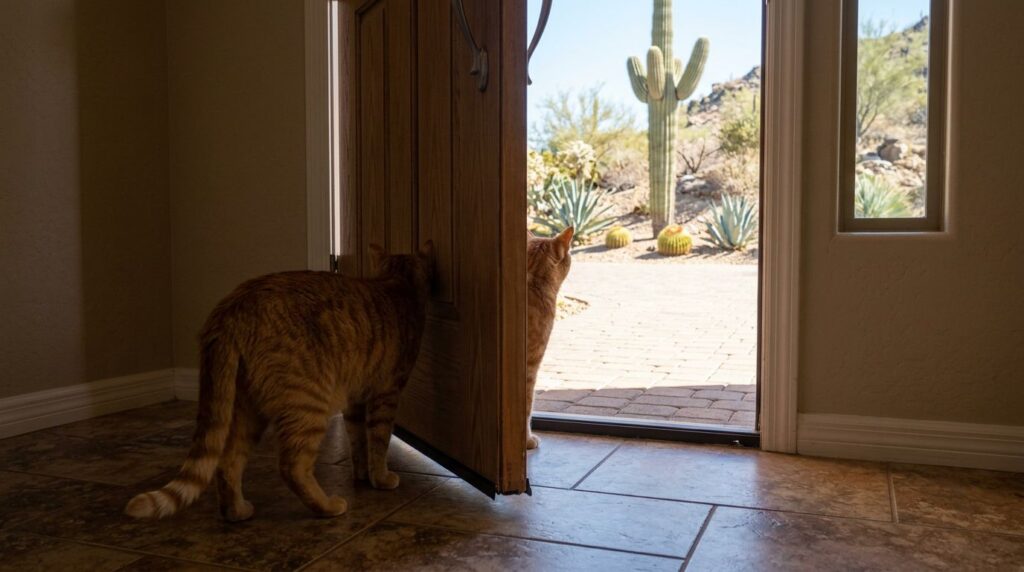
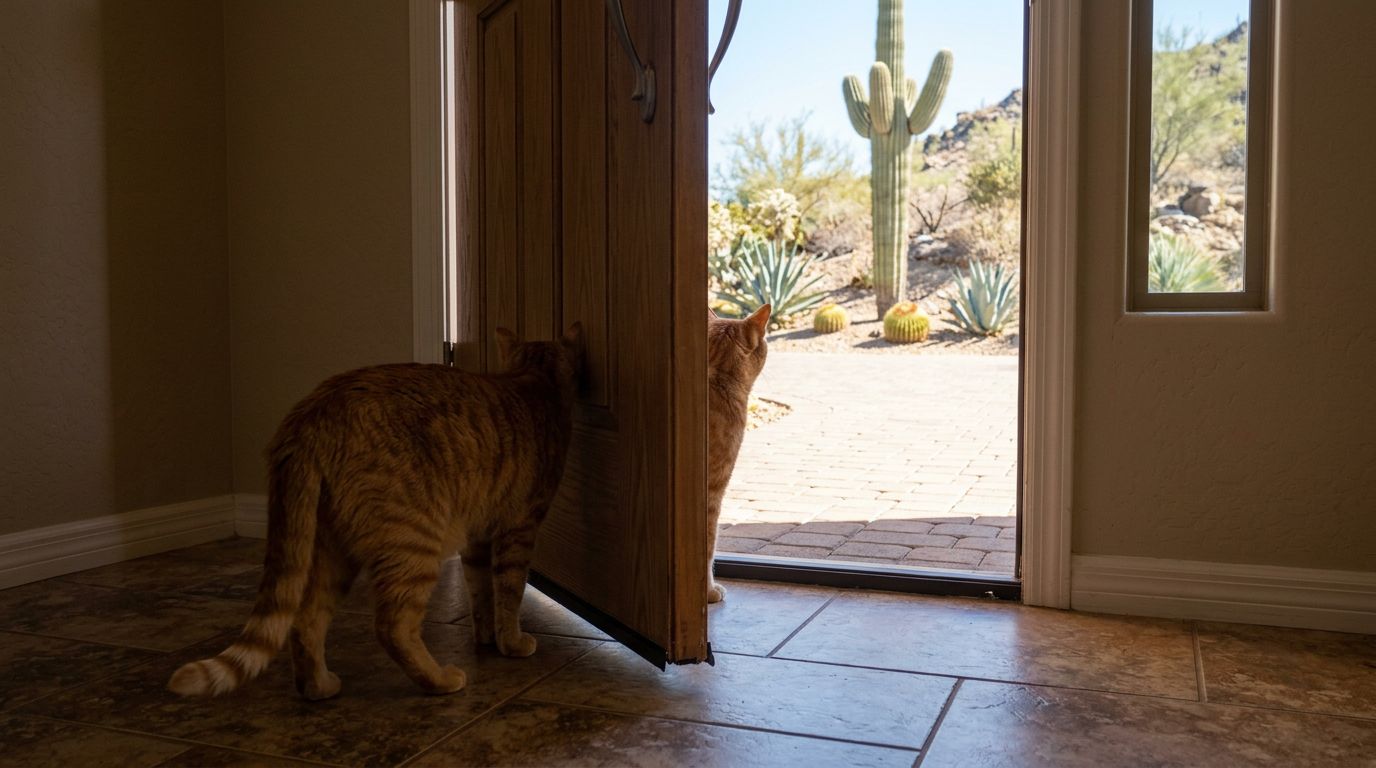
Accidental escapes represent another common scenario where indoor cats suddenly encounter disease. A startled cat can dash through an open front door during delivery arrivals or slip out during home maintenance projects. Should an unvaccinated pet spend even a few hours wandering outside, exposure to stray animals or contaminated soil becomes an immediate medical concern, highlighting the importance of vaccinating your pet.
Essential Defense Lines: Core vs. Non-Core Feline Immunizations
Veterinary medicine categorizes feline immunizations into two distinct groups based on exposure risk, severity of disease, and public health importance. Understanding the difference between core and non-core vaccines helps pet owners make informed decisions alongside their veterinarian.
Core vaccines are strongly recommended for every single cat, regardless of whether they live in a high-rise apartment or explore an outdoor yard. These immunizations defend against widespread, highly contagious viral infections that cause severe illness or death.
- Feline Panleukopenia Virus (FPV): Commonly known as feline distemper, this severe viral infection attacks rapidly dividing cells in the bone marrow and intestines. Extremely resilient in ambient environments, the virus resists many common household disinfectants and can linger on surfaces for months.
- Feline Herpesvirus Type 1 (FHV-1): Responsible for feline viral rhinotracheitis, this virus causes severe upper respiratory distress, painful eye ulcers, and chronic nasal discharge. Once contracted, the virus remains dormant in the body, triggering painful flare-ups during times of stress.
- Feline Calicivirus (FCV): Partnering with herpesvirus to cause upper respiratory disease, calicivirus produces painful ulcers on the tongue, gums, and hard palate, making eating intensely uncomfortable.
- Rabies Virus: Transmitted through saliva via bite wounds, this fatal neurological disease attacks the central nervous system. Because rabies infects warm-blooded mammals, including humans, vaccination protects both animal and human family members.
Combined into a single protective dose known as the FVRCP vaccine, protection against rhinotracheitis, calicivirus, and panleukopenia forms the cornerstone of indoor feline preventative health.
Non-core vaccines are administered based on specific lifestyle factors, household dynamics, and individual exposure risks. For instance, the Feline Leukemia Virus (FeLV) vaccine is critical for outdoor cats, multi-cat households with unknown viral status, or kittens whose adult lifestyle is not yet fully established. During routine physical exams at Adobe Veterinary Clinic, our doctors evaluate your home environment to recommend an immunization schedule tailored specifically to your cat’s daily routine. If you’re bringing home a new pet, learning what shots your new puppy or kitten needs is the first step in long-term wellness.
Arizona Regulations and Legal Imperatives: Why Rabies Protection is Non-Negotiable
Navigating pet ownership in Mesa involves adhering to specific public health mandates designed to control dangerous zoonotic diseases. Under Arizona state law and Maricopa County ordinances, maintaining current rabies immunizations for domestic pets serves as both a health precaution and a legal requirement. Because rabies carries a nearly one-hundred-percent fatality rate once clinical symptoms appear, public health agencies enforce strict guidelines regarding animal bites and viral exposures.
Legal complications arise rapidly if an unvaccinated indoor cat accidentally bites a human. Even the gentlest feline might snap out of fear during a stressful event, such as a home repair worker stepping on a tail or a houseguest attempting to pull them from a hiding spot. Should an unvaccinated cat inflict a break in human skin, local health codes require immediate reporting and mandatory quarantine protocols.
Facing a rabies exposure event with an unvaccinated pet often leads to challenging consequences:
- Enforced ten-day isolation at a designated animal control facility or approved veterinary hospital at the owner’s expense.
- Extended home quarentine periods lasting up to six months if a direct encounter with a confirmed rabid bat occurs.
- Substantial municipal fines and legal liability for human medical evaluations and post-exposure prophylaxis treatments.
Keeping rabies immunizations up to date completely avoids these painful legal and financial burdens. Current vaccination records provide legal proof of protection, allowing minor bite incidents to be managed calmly with standard home observation rather than forced institutional quarantines. Understanding common pet illnesses in Arizona goes beyond infectious diseases to include managing potential bites and exposures safely.

Boarding, Grooming, and Emergency Mobility: Unseen Risks in Shared Spaces
Life rarely remains completely static, and circumstances occasionally require indoor cats to leave their familiar home environment. Traveling for family vacations, arranging professional coat maintenance, or responding to home emergencies can suddenly place an indoor pet in close proximity to other animals.
When scheduling a stay at a boarding facility while taking a summer trip, reputable facilities demand verified proof of current vaccinations before accepting any guest. Boarding environments naturally feature shared ventilation systems and close quarters. Without robust vaccine immunity, a cat exposed to a neighboring pet shedding calicivirus or panleukopenia can contract a severe infection. Maintaining updated health records prevents last-minute booking rejections and keeps your cat safe during your time away.
Professional grooming visits present similar exposure considerations. Long-haired breeds, such as Persians or Maine Coons, frequently require specialized care to manage matting, nail trimming, or sanitary shaves. Visiting a grooming salon exposes your cat to shared tables, holding areas, and grooming tools where invisible pathogens might linger. Current immunizations ensure that routine coat maintenance does not result in an unexpected viral illness.
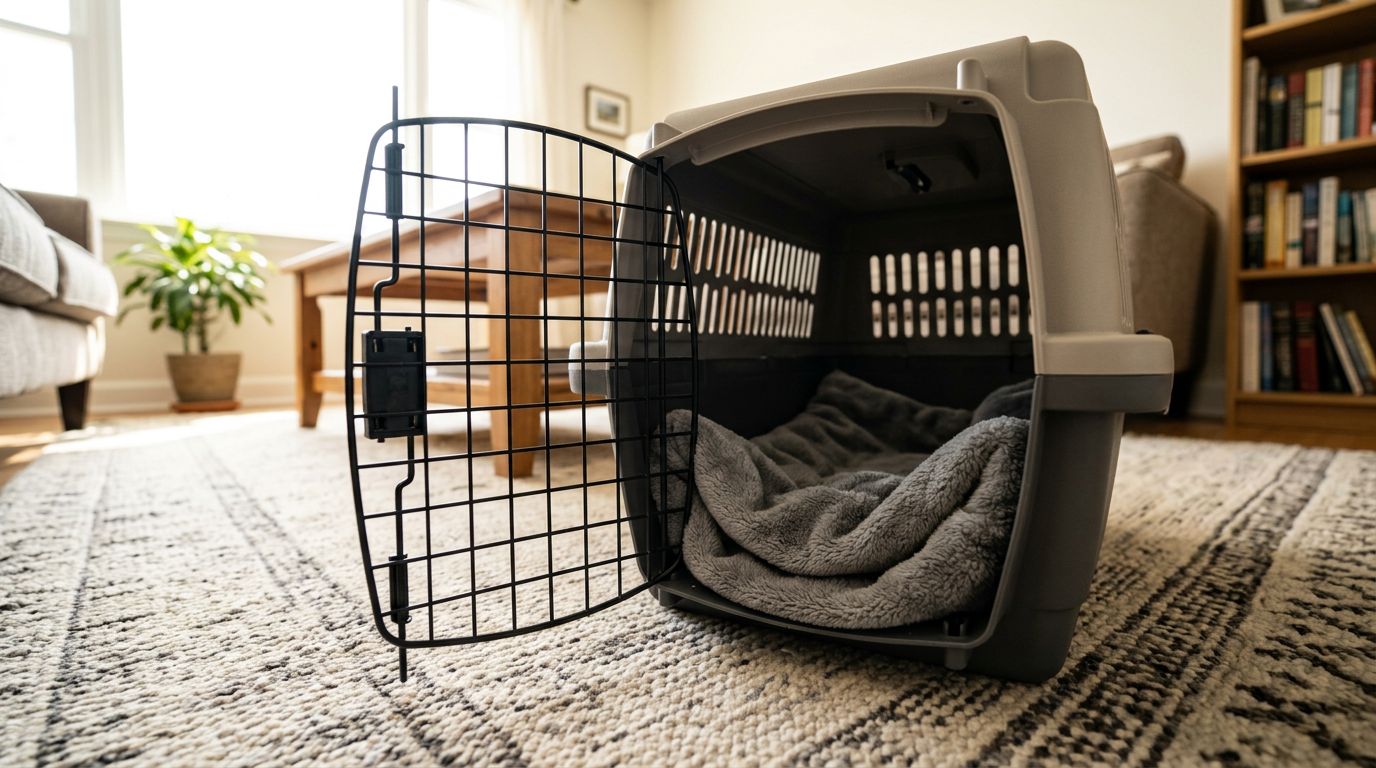
Emergency mobility represents another critical reason for consistent vaccination. Unexpected events, such as kitchen plumbing leaks, house fires, or extreme summer power outages in the East Valley, can force immediate temporary relocation. Whether staying in a pet-friendly hotel, staying with relatives who own pets, or seeking shelter during an emergency, an immunized cat remains fully protected against environmental risks during chaotic transitions. Knowing how to keep your pet safe indoors extends beyond vaccinations; understanding the hidden dangers inside your home is also crucial.
Total Lifetime Wellness: Comprehensive Feline Care at Adobe Veterinary Clinic
Preventative immunizations form just one pillar of a complete feline health strategy. At Adobe Veterinary Clinic, keeping your companion vibrant and comfortable requires connecting routine vaccinations with comprehensive medical care tailored to their evolving physical needs.
Our integrated feline healthcare services include:
- Feline Wellness Exams & Immunizations: Thorough physical evaluations assess heart rhythms, lung clarity, joint flexibility, and body condition scores. Gentle vaccine administration uses high-quality, pure biological products designed to minimize injection-site sensitivity.
- Soft Tissue & General Surgery: From routine spay and neuter procedures that prevent unwanted behaviors and reproductive cancers to specialized abdominal surgeries, our surgical suite incorporates advanced monitoring equipment and individual anesthesia protocols.
- Comprehensive Feline Dental Healthcare: Periodontal disease affects a vast majority of adult cats, causing hidden infection beneath the gumline. Professional oral examinations, digital dental radiographs, ultrasonic scaling, and tooth extractions eliminate chronic oral pain and stop bacteria from spreading to vital internal organs. Discovering how important pet dental care is reveals its impact on the rest of the body.
- Senior Cat Care & Diagnostic Imaging: Aging felines require specialized attention to manage kidney disease, arthritis, and thyroid imbalances. In-house diagnostic blood screening, digital X-rays, and soft-tissue ultrasound scans allow our medical team to detect subtle organ changes early, preserving quality of life through their golden years.
Combining routine physical exams with personalized preventative care helps ensure your cat enjoys a long, healthy life. Partnering with experienced veterinarians who understand feline behavior makes every clinical visit calmer and more productive.
Trusted Feline Healthcare in Mesa: Why Families Choose Adobe Veterinary Clinic
Serving East Valley families for decades, Adobe Veterinary Clinic has established a strong reputation built on gentle patient care, clear communication, and deep community roots. We recognize that bringing a cat to the vet can sometimes feel stressful for both the pet and the owner. Taking a low-stress approach to handling, our medical staff uses soft towels, quiet voice tones, and patient movements to make clinical evaluations as comfortable as possible.
Conveniently located at 6454 E. Main St. in Mesa, our full-service practice brings advanced diagnostic tools, surgical suites, dental technology, and preventative care together under one roof. Having complete veterinary capabilities in a single location eliminates the need to travel across town for specialized diagnostic testing or routine procedures. Treating every feline patient with the patience, respect, and tenderness we give our own pets remains the founding promise of our team.

Frequently Asked Questions About Indoor Cat Vaccinations in Mesa
Safeguard Your Feline Companion: Schedule an Appointment at Adobe Veterinary Clinic
Protecting your indoor cat from unseen environmental health hazards begins with proactive preventative care. While indoor living shields your companion from many outdoor dangers, maintaining current immunizations against airborne viruses, unexpected pest encounters, and sudden escape risks remains essential for long-term health. Choosing routine core vaccinations provides an invisible safety net that keeps your cat safe, healthy, and fully compliant with local public health laws.
Partner with an experienced veterinary team that understands feline medicine and prioritizes low-stress patient comfort. Reach out to Adobe Veterinary Clinic today to speak with our caring staff, discuss your indoor cat’s preventative healthcare schedule, or book their next physical exam. Visit our clinic at 6454 E. Main St., Mesa, AZ 85205, or call us directly at 480-832-2240 to confirm your appointment. We look forward to providing your feline companion with compassionate care for years to come.