

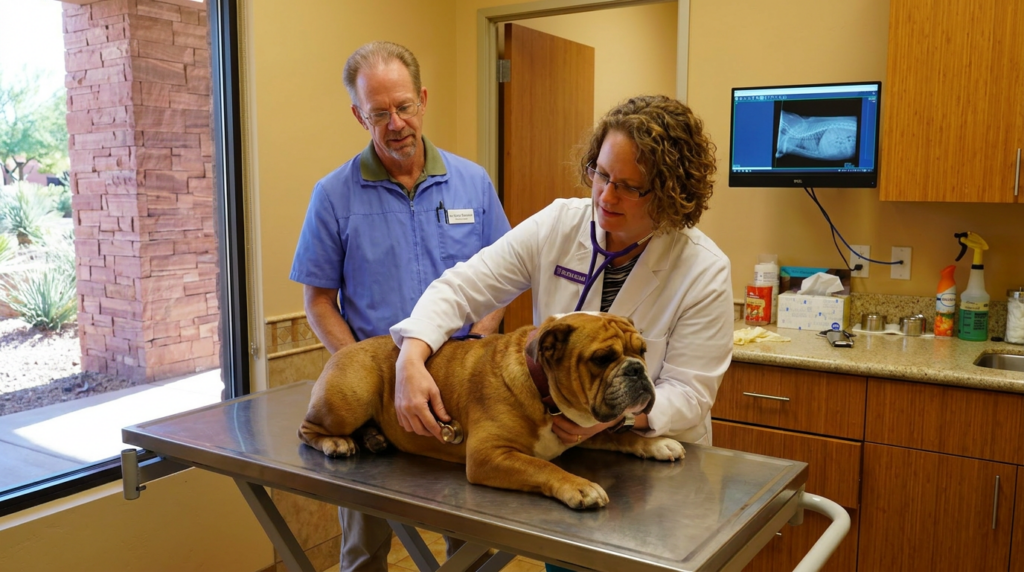
Learn the Signs and See how the Adobe Clinic can Help
Owning a pet in Mesa, Arizona, means accepting that our environment works a little differently than the rest of the country. Between the intense summer sun and the unique local wildlife, the Sonoran Desert presents specific health challenges that every pet owner needs to understand. At Adobe Veterinary Clinic, we have been helping Mesa families navigate these local hurdles since 1975. We have seen how quickly a small issue can turn into a crisis in our climate, but we have also seen how much a proactive approach can do to keep your companions safe and thriving.
Table of Contents
- The Reality of Desert Living for Pets
- The Fungal Frontier: Dealing with Valley Fever
- Navigating the Dangers of Heat and Pavement
- Desert Predators: Snakes, Toads, and Scorpions
- The Truth About Ticks and Parvo in the Desert
- The Value of Preventative Care for Your Budget
- The Heitman Family Legacy in Mesa
- 10 Simple Ways to Keep Your Arizona Pet Safe
- Frequently Asked Questions About Pet Health in Mesa
The Reality of Desert Living for Pets
Mesa is a beautiful place to live, but the landscape itself acts as a source of several specific health risks. The environment here is not just a backdrop; it is a biological factor that influences how we vaccinate, how we exercise, and how we monitor our pets. While some of these illnesses are found elsewhere, they often behave differently in the dry heat of the East Valley.
Our role at Adobe Veterinary Clinic is to serve as a guide for you and your pet. Being a multi-generational practice, we have gathered decades of data on how Mesa’s specific geography impacts animal wellness. We don’t just treat symptoms. We help you understand the “Arizona reality” so you can prevent problems before they start.
The Fungal Frontier: Dealing with Valley Fever
One of the most common and frustrating illnesses we see in our clinic is Valley Fever. This is a fungal infection caused by spores that live in the desert soil. When the wind blows or when a dog digs in the yard, these microscopic spores get tossed into the air. Once a pet breathes them in, they can settle in the lungs and start to grow.
This is a uniquely regional problem. People in other states may never even hear of this disease, but in Mesa, it is something we test for almost daily. The signs are often subtle at first. You might notice your dog has a persistent, dry cough that just won’t go away. They might seem more tired than usual or stop showing interest in their favorite toys.
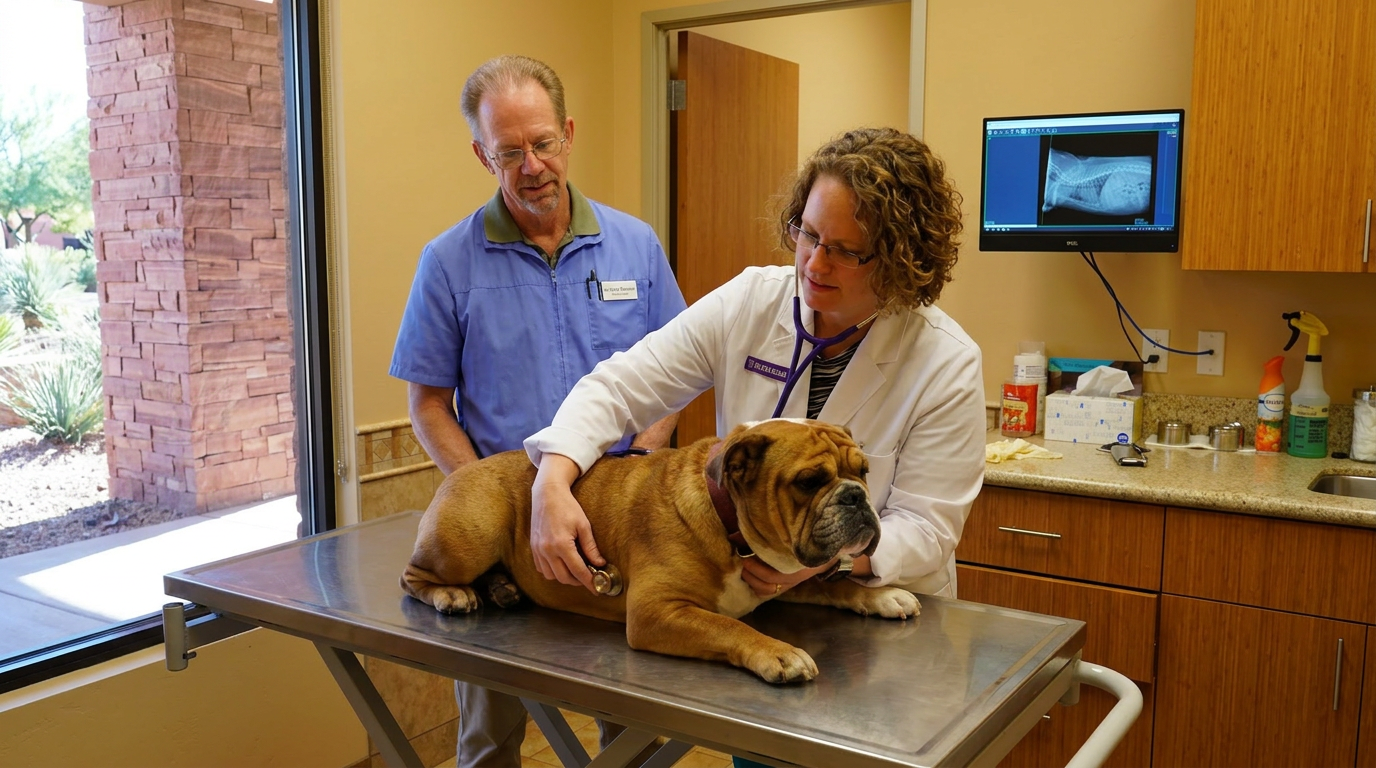
If Valley Fever is not caught in its early stages, it can spread to other parts of the body. We frequently see cases where it moves into the bones, causing limping and severe pain. In some cases, it can even affect the nervous system. Because we have been treating this for over 45 years, we have refined our diagnostic process. We use specialized blood tests called titers to see exactly how much of the fungus is present and how your pet’s body is fighting it.
While there is no “cure” that makes it go away instantly, it is highly manageable. Many pets live long, happy lives while being treated for Valley Fever. The key is starting treatment as soon as the first signs appear to prevent it from damaging the internal organs or the skeletal structure.
Navigating the Dangers of Heat and Pavement
In Mesa, the heat is more than just an inconvenience; it is a biological threat. Dogs and cats do not cool down the way humans do. While we have sweat glands all over our bodies, pets mostly rely on panting to release heat. When the temperature outside hits 110 degrees, panting simply isn’t enough to keep their core temperature in a safe range.
Heatstroke can happen incredibly fast. It is not just a risk for pets left in cars; it can happen during a mid-day walk or even while a pet is playing in a backyard that doesn’t have enough shade. When a pet’s body temperature gets too high, their organs can start to fail within minutes.
Then there is the issue of the ground itself. Asphalt and concrete absorb an incredible amount of heat. On a typical summer day in Mesa, the sidewalk can easily reach 150 degrees. This is hot enough to cause deep, painful burns on your pet’s paw pads in just a few seconds.
- The Seven-Second Test: Before you let your dog walk on the pavement, place the back of your hand on the ground. If you cannot hold it there comfortably for seven seconds, it is too hot for your pet.
- Watch for Bright Red Gums: If your pet’s gums look deep red or purple, it is a sign their body is overheating and struggling to cool down.
- Check for Heavy Drooling: While some dogs drool, excessive or thick saliva during a walk is a warning sign of thermal distress.
- Paws Matter: Check your pet’s pads after every walk for signs of peeling, redness, or blisters.
If your pet shows signs of heatstroke, they need emergency care immediately. Our facility on Main Street is equipped to handle these critical situations with aggressive cooling treatments and IV fluids to protect their vital systems.
Desert Predators: Snakes, Toads, and Scorpions
Living in the East Valley means sharing our space with some dangerous local wildlife. Rattlesnakes are active throughout much of the year, particularly in the spring and fall when they are moving between their dens. A rattlesnake bite is a medical emergency that requires immediate attention.
There is often a lot of confusion about the rattlesnake vaccine. While it can help your pet build some immunity, it does not make them “immune” to the venom. A vaccinated dog still needs antivenin and clinical treatment as soon as possible after a bite. The vaccine may simply give you more time to get to our clinic on Main Street.
Another hidden danger is the Sonoran Desert Toad. These toads usually come out during the monsoon rains. They carry a very strong toxin on their skin. If a dog bites or licks a toad, they will immediately start foaming at the mouth. This toxin can cause seizures and heart problems very quickly.
If you suspect your pet has come into contact with a toxic toad, you should gently rinse their mouth out with a hose, making sure the water flows out of the mouth rather than down the throat, and call us right away. We maintain a stock of the necessary medications to treat these toxic encounters.
The Truth About Ticks and Parvo in the Desert
There is a common myth that Arizona is too dry for ticks. Unfortunately, that is not true. The Brown Dog Tick thrives in our climate and can live both indoors and outdoors in the Mesa area. These ticks carry a disease called Ehrlichiosis, often referred to as “Tick Fever.” It is a blood infection that can make a pet very sick, leading to nosebleeds, lethargy, and weight loss.
Because our winters are so mild, ticks are a year-round problem. This means that preventative medication is not optional; it is a necessary part of desert pet ownership.
We also see a high number of Parvovirus cases in the Valley. This is a highly contagious virus that causes severe vomiting and bloody diarrhea. It is especially dangerous for puppies who haven’t finished their full series of vaccinations. Because the virus can live in the soil for months, your pet doesn’t even have to meet another dog to get sick. Simply walking through an area where an infected dog has been can be enough to pick it up.
At Adobe Veterinary Clinic, we take vaccinations very seriously. We don’t just follow a standard list. We look at the specific risks in Mesa and create a schedule that gives your pet the best possible shield against the diseases we see most often in our own neighborhood.
The Value of Preventative Care for Your Budget
When we talk about wellness exams and vaccines, we often view them as an investment in your pet’s longevity. In Arizona, being proactive is also the most fiscally responsible way to care for a pet. Treating a case of Valley Fever that has spread to the bones, or providing emergency care for a dog with Parvo, can cost thousands of dollars.
A routine wellness exam at our Main Street clinic allows us to catch these issues before they become life-threatening. During an exam, we check for more than just physical symptoms. We look for the subtle changes in weight, joint health, and organ function that could indicate a hidden problem.
Choosing a full-service hospital like Adobe means you are getting the benefit of our entire medical infrastructure. We are not a limited-service clinic. If your pet needs surgery, specialized dental care, or long-term management for a desert-related illness, we have the tools and the doctors to handle it all under one roof. This continuity of care is vital for ensuring no details are missed as your pet grows.
The Heitman Family Legacy in Mesa
One of the things that makes Adobe Veterinary Clinic different is our history. We are a family-owned practice, and the Heitman family has been at the center of our care for decades. Dr. Greg, Phil, and Andrew Heitman have spent their lives caring for Mesa’s animals. This means when you bring your pet to us, you are seeing doctors who truly know the local environment and the families who live here.

We take pride in being a stable part of the community. Unlike corporate clinics where you might see a different face every time you visit, we offer a legacy of continuity. We get to know your pet from their very first puppy visit through their senior years. This allows us to provide a level of personalized care that is hard to find elsewhere.
10 Simple Ways to Keep Your Arizona Pet Safe
- Keep your pet inside during the hottest parts of the day, typically from 10 AM to 6 PM.
- Use a year-round tick and flea preventative to protect against Tick Fever.
- Schedule a “Valley Fever Screen” once a year to catch the fungus early.
- Train your dog to have a strong “leave it” command to keep them away from snakes and toads.
- Carry a portable water bowl whenever you go for a walk, even for short trips.
- Avoid walking your pet near construction sites or during dust storms to limit exposure to fungal spores.
- Check your pet’s paws daily for small burrs or stickers that can lead to infections.
- Ensure your puppy is fully vaccinated before taking them to public parks or pet stores.
- Provide multiple sources of fresh water both inside and outside your home.
- Establish a relationship with a trusted local vet on Main Street before an emergency occurs.
Frequently Asked Questions About Pet Health in Mesa
Protecting your pet in the Sonoran Desert requires a mix of common sense and professional medical support. While our environment presents challenges that you won’t find in other parts of the country, they are challenges that we are very familiar with at Adobe Veterinary Clinic. We have spent the last several decades learning the best ways to keep Mesa’s pets healthy, happy, and active.
By being aware of the signs of things like Valley Fever, heatstroke, and local toxins, you are already doing a great job as a pet owner. But you don’t have to do it alone. Whether you are looking for a routine wellness check or you need help managing a long-term illness, our team on Main Street is here to provide the expert, compassionate care your pet needs. Let’s work together to make sure your companion enjoys everything the Arizona landscape has to offer while staying safe from its hidden dangers. Contact us today to schedule an appointment and get your pet’s wellness plan on the right track.