

Observing an older cat slow down often feels like a natural, expected part of the aging process, yet subtle behavioral changes frequently point to underlying organ shifts. Paying close attention to everyday habits helps pet parents spot the earliest signs of renal decline. Increased visits to the water bowl, surprisingly large clumps in the litter box, gradual loss of muscle mass, or a newfound fussiness around food bowls often unfold slowly over many months. Because feline kidneys possess remarkable reserve capacity, physical symptoms rarely surface until a significant portion of functional organ tissue has already diminished.
Hearing that your senior companion has chronic kidney disease can feel overwhelming, but receiving this diagnosis is far from an immediate end-of-life sentence. Rather than signaling an abrupt end, early identification provides a valuable opportunity to implement proactive medical and lifestyle support. Advances in veterinary internal medicine allow us to manage renal decline as a chronic, controllable condition. Through targeted dietary modifications, creative hydration strategies, and routine monitoring, aging cats can maintain excellent energy levels, appetite, and comfort for years following diagnosis.
Partnering with an experienced veterinary team turns a scary diagnosis into a structured, manageable plan. Instead of watching your pet’s vitality slowly fade, taking strategic steps at home directly impacts their daily comfort. Small, deliberate adjustments to your cat’s routine help reduce metabolic strain, protect remaining kidney function, and keep their golden years peaceful and vibrant.

 For cats in more advanced stages of renal decline, outpatient subcutaneous fluid therapy provides essential hydration support. Administering sterile fluids beneath the loose skin over the shoulder blades takes only a few minutes and delivers immediate relief from dehydration and chronic nausea. Most cats tolerate this gentle procedure remarkably well, experiencing a noticeable boost in energy and appetite once their fluid balance is restored.


Table of Contents
- Nutritional Precision: How Specialized Renal Diets Protect Failing Kidneys
- Conquering Dehydration: Creative Strategies to Elevate Feline Fluid Intake
- Comprehensive Senior Feline Healthcare at Adobe Veterinary Clinic
- Dedicated Geriatric Care in Mesa: Why Families Trust Adobe Veterinary Clinic
- Frequently Asked Questions About Senior Feline Kidney Care in Mesa
- Partnering for Your Senior Cat’s Comfort: Schedule a Consultation Today
Nutritional Precision: How Specialized Renal Diets Protect Failing Kidneys
When functional kidney tissue declines, the body struggles to filter out metabolic waste products generated by normal food digestion. Toxins build up in the bloodstream as a result, causing persistent nausea, decreased appetite, and lethargy. Prescription renal diets are carefully formulated to reduce this metabolic workload, serving as one of the most effective tools available for slowing disease progression and preserving quality of life. Controlling dietary phosphorus stands as a primary objective of therapeutic kidney nutrition. When renal filtration slows down, excess phosphorus accumulates in the blood, accelerating tissue damage and making cats feel chronically unwell. Specialized kidney formulas strictly restrict phosphorus levels, helping stabilize blood chemistry and stopping toxic waste buildup. Managing protein intake requires a delicate balance between preserving muscle mass and limiting metabolic waste. Standard commercial cat foods often contain high levels of protein that generate excess blood urea nitrogen when broken down. Therapeutic renal foods utilize highly digestible, premium protein sources in precise amounts. Providing essential amino acids maintains lean muscle tissue without overloading compromised kidney filters. Beyond protein and phosphorus adjustments, prescription diets include vital nutrient enhancements:- Enriched omega-3 fatty acids, particularly EPA and DHA, reduce inflammatory pressure within delicate renal blood vessels.
- Supplemental potassium replaces essential electrolytes continuously lost through increased urination, preventing muscle weakness and lethargy.
- Added B-complex vitamins compensate for water-soluble vitamins flushed out of the body by frequent drinking and urinating.
- Antioxidants combat cellular oxidative stress, supporting overall immune function in aging organs.
Conquering Dehydration: Creative Strategies to Elevate Feline Fluid Intake
Maintaining adequate hydration remains one of the greatest daily challenges when caring for a cat with renal disease. As kidney filtering capacity drops, the organs lose their natural ability to concentrate urine. Large volumes of water get flushed out of the body constantly, making it nearly impossible for older cats to maintain normal hydration through standard drinking habits alone. Overcoming this biological hurdle requires experimenting with creative, low-stress strategies at home:- Transitioning from dry kibble to moisture-rich canned formulas immediately increases daily fluid intake, as canned foods consist of up to eighty percent water.
- Adding small amounts of warm water or unsalted, garlic-free bone broth to canned food creates a flavorful gravy that entices hesitant eaters to lap up extra fluids.
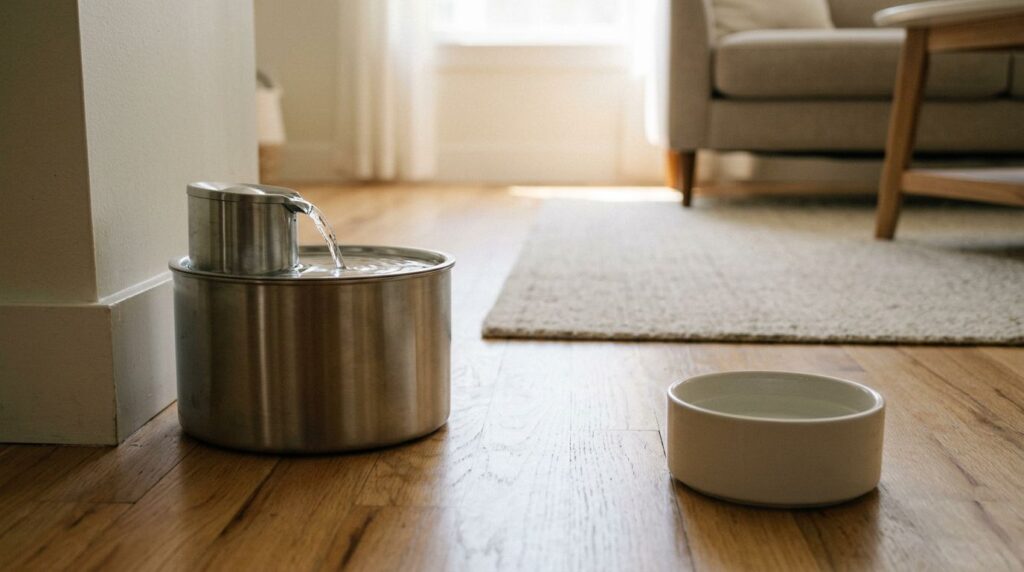
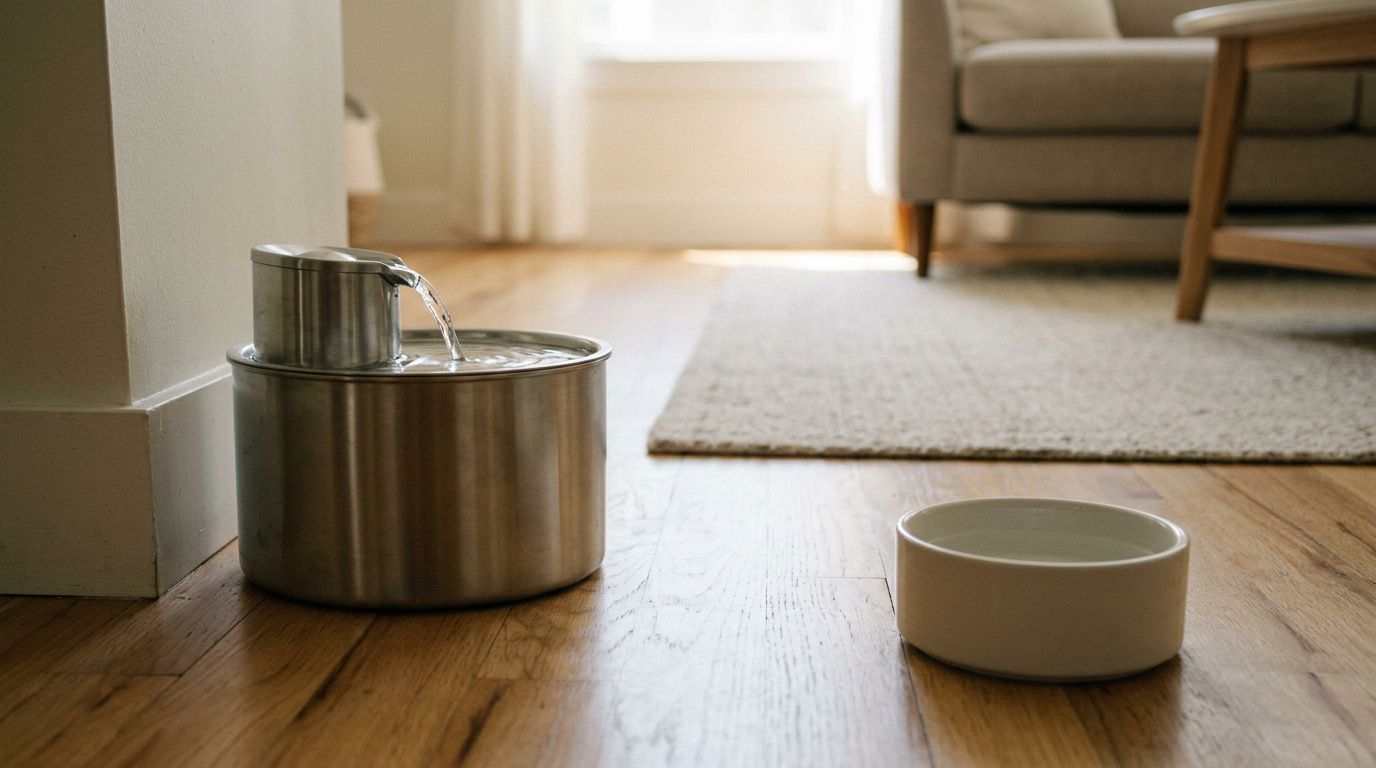
- Installing circulating pet water fountains appeals to a cat’s instinctual preference for fresh, moving water, encouraging more frequent visits throughout the day.
- Placing multiple wide, shallow water dishes in quiet, easily accessible spots across your home ensures your senior pet never has to travel far or climb stairs to drink.
- Using glass, ceramic, or stainless steel bowls instead of plastic prevents unpleasant chemical odors that deter cats with sensitive noses.
Comprehensive Senior Feline Healthcare at Adobe Veterinary Clinic
At Adobe Veterinary Clinic, managing chronic kidney disease is deeply integrated into our overall approach to senior feline wellness. Combining precise diagnostic evaluations with tailored medical support ensures your aging cat receives balanced, comprehensive care throughout their golden years. Our integrated senior care offerings include:- In-House Diagnostic Screening: Detecting subtle organ shifts early relies on specialized blood screening, including the SDMA biomarker alongside traditional chemistry panels, complete blood counts, urinalysis, and systemic blood pressure monitoring to catch stage one or two kidney changes before major symptoms appear.
- Diagnostic Imaging: Evaluating physical kidney structure through high-definition soft-tissue ultrasound scans and digital radiographs allows our veterinarians to check organ size, rule out painful kidney stones, and identify underlying structural changes.
- Senior Wellness Exams & Dietary Counseling: Crafting individualized nutrition plans, prescribing appetite stimulants when needed, and managing chronic nausea helps keep your senior cat eating consistently and feeling comfortable.
- Integrative Care & Dentistry: Addressing dental disease is especially vital for renal patients, as oral infections send extra bacteria into the bloodstream that stress compromised kidneys. Learning how dental disease affects kidneys is critical for aging felines. Our team provides gentle oral evaluations, professional dental scaling under safe, fluid-supported anesthesia protocols, and ongoing chronic disease management.
Dedicated Geriatric Care in Mesa: Why Families Trust Adobe Veterinary Clinic
For decades, pet owners across Mesa and the East Valley have relied on Adobe Veterinary Clinic for compassionate, long-term senior pet care. As a family-focused practice located conveniently on Main Street, our team emphasizes strong client relationships, open communication, and practical medical guidance. Treating aging animals requires patience, gentleness, and an individualized touch that respects each pet’s unique personality and health history. Navigating a chronic condition like feline renal disease can feel complex, but you do not have to manage it alone. From teaching pet parents how to comfortably administer subcutaneous fluids at home to adjusting prescription diets as your cat’s tastes evolve, our doctors and staff provide steady, empathetic guidance. Having advanced diagnostic tools, therapeutic foods, and experienced senior care specialists under one roof ensures your companion receives exceptional care without unnecessary travel or stress.Frequently Asked Questions About Senior Feline Kidney Care in Mesa