

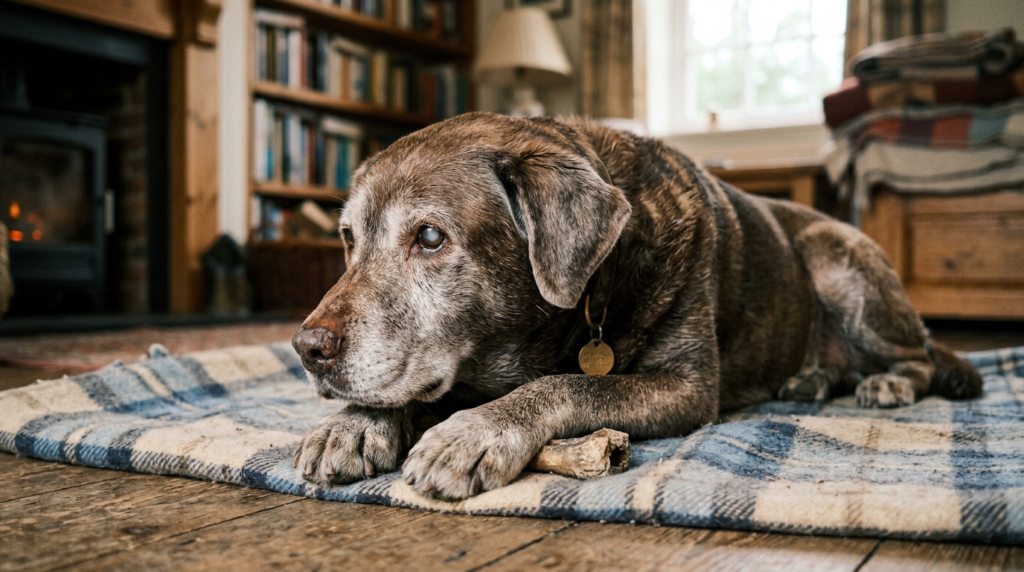
Watching a beloved companion transition into their twilight years is a profound and deeply rewarding experience. The bond you share has only grown richer with time. Although their muzzle may be turning white and their pace slowing down, their devotion remains entirely unchanged.
Here at Adobe Veterinary Clinic, we understand that your primary goal is maximizing their comfort and vitality. We know you want to cherish every possible moment together.
To support you on this journey, we have developed this comprehensive Senior Pet Care Guide. This resource is designed to provide you with actionable, scientifically backed strategies to navigate the aging process with confidence.
Recognizing the Dawn of the Senior Years
Determining exactly when an animal becomes a senior depends largely on their species, breed, and size. Aging is not a sudden event but rather a gradual biological shift.
Large and giant breed canines often enter their senior phase at just six years old. Conversely, smaller dogs and felines typically reach this milestone around eight or nine years of age.
Once your companion crosses this age threshold, their cellular metabolism and organ functions begin to shift. Recognizing this transition early allows you to adapt their lifestyle and stay ahead of age-related health conditions.
Nutritional Strategies for Aging Canines
Nutrition is arguably the most critical pillar of longevity. If you are wondering how to help your dog live longer, evaluating their daily diet is the perfect starting point.
Older canines generally experience a decrease in their resting metabolic rate. This means they require fewer daily calories to prevent obesity, which is a major contributor to joint stress and heart strain. However, they still require highly digestible, premium protein to combat natural age-related muscle loss.
The American Kennel Club offers fantastic baseline insights into how a dog's dietary needs evolve over time. When choosing a diet for your aging canine, look for formulations that include specific supportive ingredients.
Consider discussing these dietary additions with our veterinary team:
- Eicosapentaenoic acid (EPA) and Docosahexaenoic acid (DHA) to support brain health and reduce inflammation
- Glucosamine and chondroitin sulfate to protect deteriorating joint cartilage
- Carefully balanced phosphorus levels to ease the workload on aging kidneys
- Enhanced moisture content through canned foods to promote optimal hydration
Environmental Modifications for Felines
Cats are notorious for masking signs of physical discomfort or vulnerability. Because they hide their pain so well, cat owners frequently ask us how to help your cat live longer, and environmental stress reduction is a massive piece of that puzzle.
Felines thrive in predictable, serene environments. As their agility declines and their vision or hearing begins to fade, navigating a busy household can become a source of hidden anxiety.
You can drastically improve their quality of life by making a few strategic adjustments around your home. The Cornell Feline Health Center emphasizes that modifying the home environment is crucial for geriatric cat wellness.
Implement these simple changes to support a senior cat:
- Provide carpeted pet stairs leading to their preferred elevated resting spots
- Swap out deep litter boxes for wide, shallow trays that require minimal stepping effort
- Disperse multiple water fountains throughout the house to encourage frequent drinking
- Ensure their sleeping areas are located far away from drafty doors or noisy household appliances
The Power of Purposeful Movement
A sedentary lifestyle invites joint stiffness and unwanted weight gain in older animals. While they may not have the stamina for grueling hikes anymore, gentle and purposeful movement remains essential for joint lubrication.
For those proactively researching how to help your dog live longer, maintaining a lean body mass through consistent, low-impact exercise is incredibly effective. Carrying excess weight puts unnecessary torque on deteriorating ligaments and cartilage.
Rather than one long daily walk, try breaking their exercise routine into three short, leisurely strolls. The American Society for the Prevention of Cruelty to Animals notes that adapting physical activity to match an animal's current mobility level is vital for preventing injury.
Cognitive Health and Mental Enrichment
Physical deterioration is only one aspect of aging. Preserving cognitive function is equally critical for keeping your companion engaged with the world around them.
Pet parents looking into how to help your cat live longer should never underestimate the power of daily interactive play. Even five minutes of tracking a feather wand engages their predatory instincts and keeps their neural pathways firing.
For aging dogs, scent work and food puzzle toys are phenomenal tools for mental stimulation. Teaching an old dog a new, low-impact trick forces their brain to focus and learn, staving off symptoms of cognitive dysfunction.
Dental Health: The Gateway to Systemic Wellness
Oral hygiene is often the most overlooked aspect of a Senior Pet Care Guide. The reality is that dental health heavily influences the function of major internal organs.
Severe periodontal disease breeds bacteria that can easily seep into the bloodstream. This bacteria travels directly to the heart valves, liver, and kidneys, causing microscopic damage over time.
Scheduling routine dental cleanings at Adobe Veterinary Clinic prevents this dangerous bacterial spread. Between visits, utilizing veterinary-approved dental chews and brushing their teeth at home will significantly reduce harmful plaque accumulation.
Grooming as a Health Metric
As flexibility wanes, older pets often struggle to maintain their own hygiene. Felines may develop matted fur along their lower back, while dogs might suffer from dry, flaky skin.
Taking the time to brush your companion a few times a week distributes natural oils and prevents painful skin pulling. Furthermore, keeping their nails neatly trimmed is paramount. Overgrown nails force an animal to alter their natural gait, which can exacerbate existing arthritis.
These grooming sessions also double as a valuable health screening. Running your hands over their body allows you to detect new lumps, bumps, or areas of unexpected tenderness early on.
Proactive Veterinary Diagnostics
The cornerstone of geriatric medicine is early detection. Following a structured Senior Pet Care Guide means shifting from reactive medicine to proactive prevention.
We strongly advocate for biannual comprehensive wellness exams for all senior patients. Drawing routine bloodwork and checking urine specific gravity every six months allows us to spot the earliest whispers of kidney disease, liver dysfunction, or thyroid imbalances.
The American Veterinary Medical Association emphasizes that senior wellness screenings are the most reliable way to catch life-threatening conditions before they become symptomatic.
Crafting a Comfortable Haven
Deep, restorative sleep is required for cellular repair and a robust immune system. Upgrading your companion's bedding can drastically improve their daily comfort and mobility.
Thick, memory-foam orthopedic beds distribute weight evenly and relieve pressure points on sore hips and elbows. Figuring out the secret to how to help your dog live longer also involves prioritizing this kind of deep, restorative sleep.
Similarly, knowing how to help your cat live longer requires creating warm, accessible sanctuaries where they feel entirely secure. Heated pet mats can offer incredible soothing relief for aching feline joints during chilly evenings.
Partnering with Adobe Veterinary Clinic
Navigating the complexities of your pet's senior years can feel daunting. However, you do not have to make these medical decisions in isolation.
The dedicated professionals at Adobe Veterinary Clinic are deeply committed to providing compassionate, individualized care for your aging family member. From customized pain management protocols to tailored nutritional advice, our team is ready to assist you.
We consider it a privilege to help your pet thrive during their golden years. Please reach out to our clinic today to schedule their next senior wellness evaluation.
Frequently Asked Questions
How often should my aging companion visit the vet?
Senior animals should ideally be examined by a veterinarian every six months. Because their health status can change rapidly, biannual visits allow us to perform critical blood panels and physical exams. Catching underlying diseases early significantly improves the long-term prognosis.
What are the subtle signs of osteoarthritis in pets?
Symptoms of joint pain are often very subtle. You might notice a hesitation to climb stairs, stiffness when rising from a nap, or a slight limp after exercise. Cats may simply stop jumping onto their favorite window perches. If you observe these behavioral changes, a veterinary mobility assessment is highly recommended.
Is an increase in sleep normal for an older animal?
Yes, needing more rest is a standard biological response to aging. However, extreme lethargy, sudden weakness, or a complete disinterest in food and play are red flags. It is always safer to have a veterinarian rule out systemic illnesses rather than dismissing severe lethargy as just a symptom of old age.
Should I transition my aging pet to a different commercial diet?
Switching to a high-quality senior formulation is generally an excellent idea. These diets are carefully balanced to accommodate slower metabolisms and often include helpful joint supplements. We always recommend consulting with your veterinarian before introducing new foods to ensure the specific diet matches your pet's unique medical needs.