Dental Cleanings
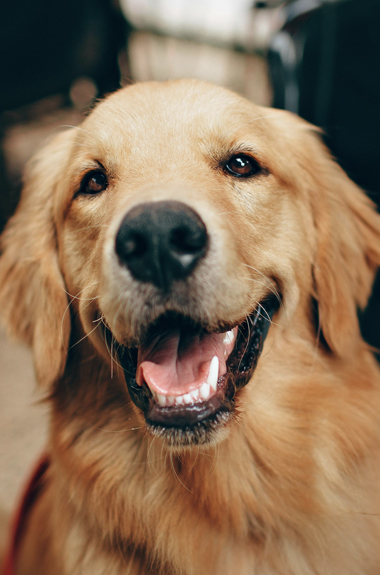
Is Your Pet Smiling? Might be Time for a Cleaning
We all love those quiet moments cuddling with our pets, but nothing ruins a sweet bonding session faster than a waft of potent “doggy breath.” For many pet owners, bad breath is shrugged off as a normal part of owning an animal. However, that unpleasant odor is often the first red flag of a much more serious issue: periodontal disease.
Oral health is one of the most overlooked aspects of pet care, yet it is arguably one of the most critical. Bacteria in the mouth don’t just stay there; they can travel through the bloodstream and affect vital organs like the heart, liver, and kidneys. Ensuring your companion has a healthy mouth isn’t just about pearly whites, it’s about ensuring they live a long, comfortable, and happy life.
At Adobe Veterinary Clinic, we believe that comprehensive dental care is a pillar of preventive medicine. While brushing at home is excellent for maintenance, it cannot replace the deep cleaning and medical assessment provided by a veterinary professional. If you are in Mesa, Arizona, and looking to improve your pet’s quality of life, understanding the dental cleaning process is the perfect place to start.
Why Choose Adobe Veterinary Clinic for Dental Cleanings
When you choose Adobe Veterinary Clinic for your pet’s dental care, you aren’t just getting a toothbrushing service. You are receiving a comprehensive medical procedure designed to maximize safety and health outcomes. We adhere to high standards of veterinary dentistry to ensure your pet is treated with the same level of care you would expect from your own dentist.
Safety First: Anesthesia and Monitoring
One of the biggest hesitations pet owners have regarding dental cleanings is the use of general anesthesia. We understand this fear, but we also know that anesthesia is essential for a safe and effective cleaning. It allows us to immobilize the pet to prevent injury from sharp dental tools, secure the airway to prevent inhalation of bacteria-laden water, and reduce stress.
At Adobe Veterinary Clinic, we prioritize safety by performing pre-surgical bloodwork to assess liver and kidney function before we begin. During the procedure, your pet is monitored constantly. We track vital signs such as heart rate, oxygen levels, blood pressure, and body temperature to ensure they remain stable and comfortable throughout the entire process.
Comprehensive Scaling and Polishing
A groomer or a “anesthesia-free” cleaning service can only remove tartar from the visible surface of the tooth. However, periodontal disease lives under the gum line. Our veterinary professionals perform ultrasonic scaling to remove plaque and tartar from both the crown of the tooth and the sub-gingival (under the gum) area. This is where the bacteria that destroy bone and tissue hide. Following the scaling, we polish the teeth to smooth out micro-abrasions, making it harder for plaque to reattach in the future.
Advanced Diagnostics
We don’t just look at the teeth; we look through them. Because a significant portion of the tooth structure lies below the gums, visual exams miss more than half of dental problems. We utilize dental diagnostics to identify issues affecting the roots and surrounding bone that are invisible to the naked eye.
What We Can Discover and Treat During a Cleaning
A dental procedure at Adobe Veterinary Clinic is as much a fact-finding mission as it is a cleaning. Once your pet is safely under anesthesia, our veterinarians conduct a tooth-by-tooth examination. This thorough evaluation allows us to identify, chart, and treat a variety of painful conditions that your pet may have been suffering from in silence.
Hidden Periodontal Disease
Statistics show that up to 80% of dogs and cats have some form of dental disease by age three. During a cleaning, we probe the gum line to measure “pockets” or gaps between the tooth and gum where bacteria accumulate. Deep pockets indicate loss of attachment and require advanced cleaning or treatment to stop the progression of bone loss.
Tooth Resorption
This is particularly common in cats but can occur in dogs as well. Tooth resorption is a painful condition where the body begins to break down and absorb the tooth structure. These lesions often start below the gum line or on the inside of the tooth. Without a comprehensive exam and X-rays, these painful teeth often go untreated. Identifying them allows us to perform necessary extractions to relieve your pet’s chronic pain.
Fractured or Broken Teeth
Pets often chew on hard objects like antlers, hooves, or rocks, leading to slab fractures. If the pulp (the nerve center of the tooth) is exposed, it is incredibly painful and opens a pathway for infection to enter the jawbone. We can determine the severity of the fracture and whether the tooth needs to be extracted to prevent abscesses.
Oral Tumors and Abnormalities
The mouth is a common site for growths and masses. During the cleaning, we inspect the entire oral cavity, including the tongue, palate, and throat. Early detection of oral tumors can significantly improve the prognosis for treatment.
Frequently Asked Questions
We know you likely have questions about your pet’s dental procedure. Here are answers to some of the most common inquiries we receive from Mesa pet owners.
Why does my pet need anesthesia? Can’t you do it while they are awake?
Anesthesia-free dentistry is generally cosmetic and does not address the root of dental disease. To clean effectively below the gum line, where the real damage occurs, a pet must be perfectly still. Furthermore, without an endotracheal tube (breathing tube) used during anesthesia, your pet risks inhaling water and bacteria into their lungs. Anesthesia allows us to do a thorough, safe, and pain-free job.
How often should my pet have a dental cleaning?
For most adult pets, we recommend an annual dental exam and cleaning. However, some breeds (especially small dogs like Chihuahuas and Yorkies) are more prone to tartar buildup and may need cleanings more frequently. We will provide a personalized recommendation based on your pet’s specific oral health status.
My pet is eating fine. Doesn’t that mean their teeth are okay?
Not necessarily. Animals have a strong survival instinct to mask pain. They will often continue to eat despite having severe dental disease, loose teeth, or abscesses. They may just swallow food whole or chew on one side. Bad breath, drooling, or shying away from face touches are better indicators of dental issues than appetite.
What happens after the cleaning?
When you pick up your pet, we will provide detailed discharge instructions. Your pet might be a little groggy from anesthesia, but most are back to their normal selves by the next morning. If extractions were performed, we will send you home with pain management medication and instructions on feeding soft food for a few days. We will also discuss a home-care routine to help extend the benefits of the professional cleaning.
Schedule Your Pet’s Dental Exam Today
Dental health is a lifelong journey, and the team at Adobe Veterinary Clinic is here to guide you every step of the way. By staying proactive with professional cleanings, you aren’t just fighting bad breath; you are protecting your pet from pain and systemic disease.
If you have noticed tartar buildup, red gums, or that tell-tale odor, don’t wait for the problem to escalate. Give your furry friend the gift of a healthy, pain-free smile. Contact Adobe Veterinary Clinic in Mesa today to schedule your pet’s dental assessment. Let’s work together to ensure your companion lives a long, healthy, and happy life.