

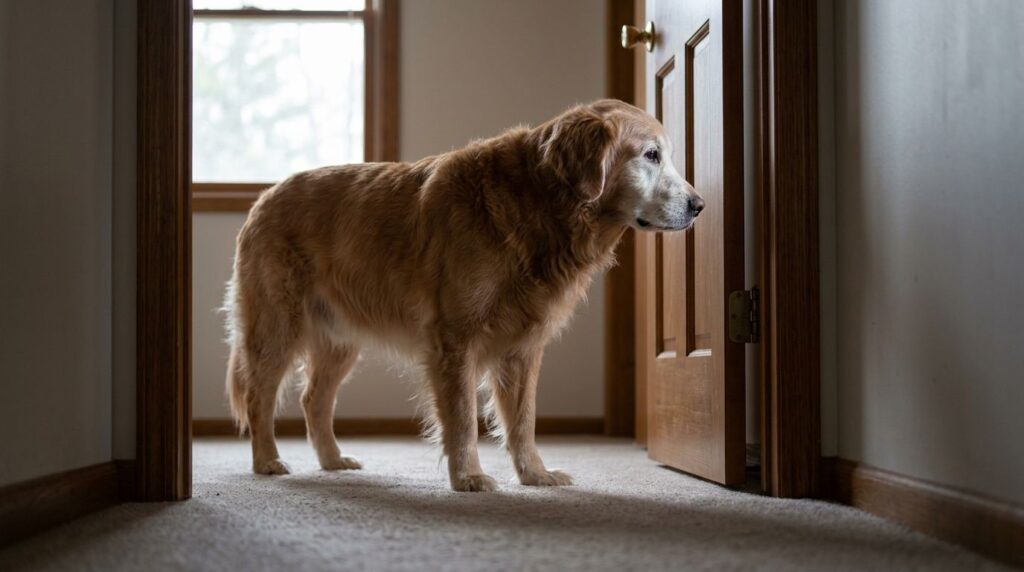
Watching a loyal dog grow old brings a bittersweet mix of gratitude and concern. While grey muzzles and stiff joints are easy to spot, changes happening inside the brain are far more subtle and often catch pet parents off guard. Late at night, an aging pet might pace aimlessly through the hallway or stand transfixed before a closed door. These puzzling behaviors often leave families wondering if their dog is becoming stubborn or simply experiencing normal signs of getting old.
Behind these sudden daily shifts frequently lies a recognized medical condition known as Canine Cognitive Dysfunction, or CCD. Often referred to as doggy dementia, this progressive neurological disorder mirrors many aspects of human Alzheimer’s disease. Physical changes within brain tissue, including reduced blood flow and the accumulation of abnormal proteins, gradually disrupt how information gets processed.
Framing these new habits as an authentic medical issue rather than untreatable old age changes how we care for our companions. For pet parents across East Valley communities, recognizing that an aging dog needs help is the first step toward restoring their peace of mind. Early veterinary intervention allows us to protect brain tissue, ease anxiety, and maintain that cherished bond throughout your pet’s golden years.
Table of Contents
- Recognizing the DISHA Blueprint: Key Warning Signs of Mental Aging
- Ruling Out Physical Mimics: The Medical Investigation Process
- Multi-Modal Management: Strategies to Support the Aging Canine Mind
- Integrated Senior Pet Care: Comprehensive Solutions at Adobe Veterinary Clinic
- Dedicated Local Care in Mesa: Why Families Choose Adobe Veterinary Clinic
- Frequently Asked Questions About Senior Pet Cognitive Health in Mesa
- Partnering for Your Senior Companion’s Comfort: Contact Adobe Veterinary Clinic Today
Recognizing the DISHA Blueprint: Key Warning Signs of Mental Aging
Categorizing cognitive symptoms helps veterinarians and pet owners evaluate mental decline systematically. Developed by veterinary behaviorists, the acronym DISHA outlines the five primary categories of cognitive warning signs observed in senior dogs.
Under the DISHA framework, key red flags include:
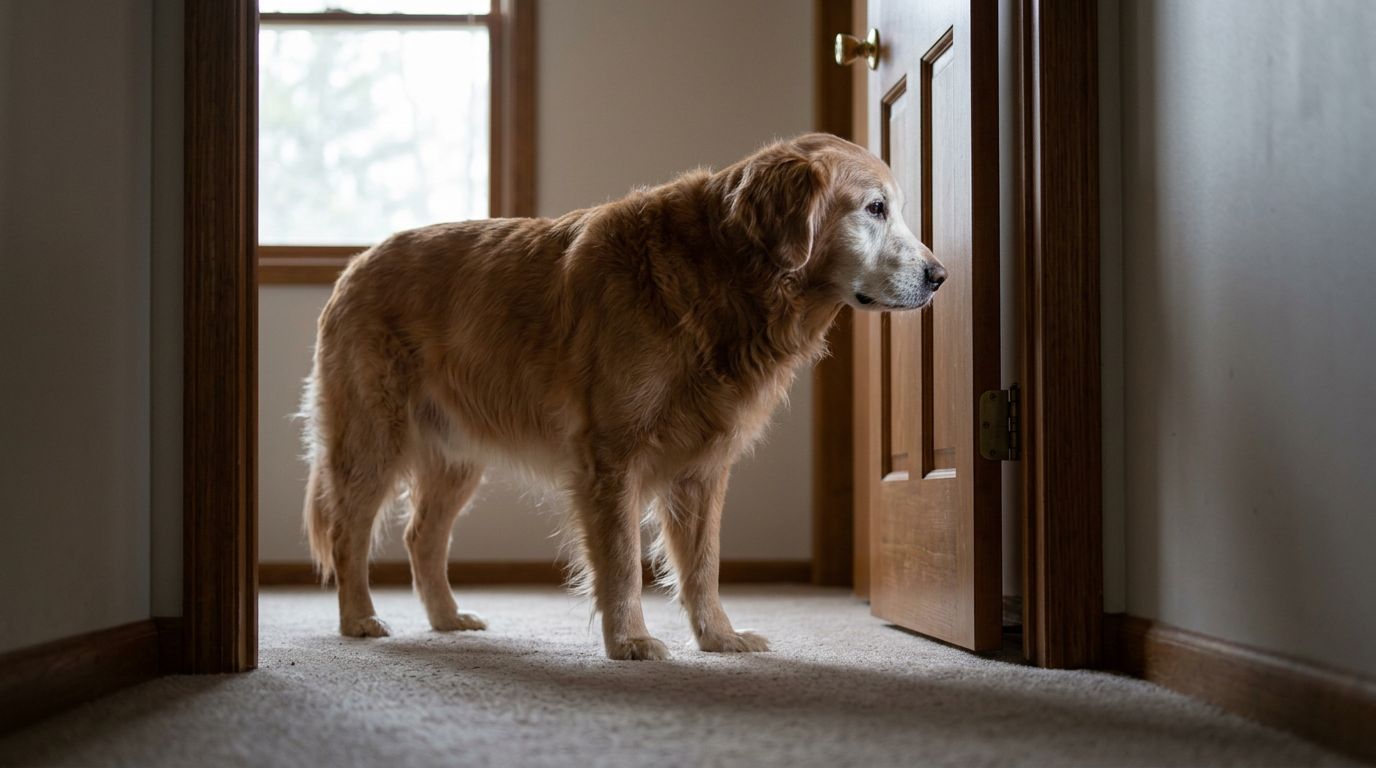
- Disorientation: Staring blankly at walls or into empty corners, getting trapped behind open doors, or wandering to the wrong side of a familiar door when asking to go outside.
- Interactions: Displaying unusual changes in social habits, such as clinging constantly to family members, withdrawing from household affection, or reacting with unexplained irritability when pet.
- Sleep-Wake Cycles: Waking up at odd hours, pacing or whining continuously through the night, and sleeping much more deeply during daylight hours.

- House-Soiling: Having sudden indoor accidents despite a lifetime of flawless house-training, forgetting to signal when needing to go out, or eliminating immediately after returning indoors.
- Activity Changes: Showing a dramatic decline in interest toward favorite toys and walks, or displaying repetitive, purposeless behaviors like pacing back and forth along a fence line.
Noticing even one or two of these signs warrants a conversation with your veterinarian. Because cognitive decline advances gradually over time, tracking subtle daily changes in a journal provides invaluable context during your next clinic visit. Identifying mental aging early ensures we can put supportive strategies in place before confusion severely impacts your pet’s daily life.
Ruling Out Physical Mimics: The Medical Investigation Process
Before concluding that an aging pet suffers from cognitive dysfunction, ruling out underlying physical health conditions is essential. Symptoms that appear to be dementia can frequently stem from painful or treatable internal medical problems.
For example, a senior dog that stops greeting family members at the front door might not be forgetting who you are; severe arthritis pain in the hips or spine may simply make standing up miserable. It is critical to recognize the signs your pet may be in pain. Similarly, indoor accidents often result from urinary tract infections, kidney disease, or diabetes rather than mental confusion. Sudden night waking can also be caused by failing eyesight, hearing loss, or high blood pressure making a pet feel vulnerable in the dark.
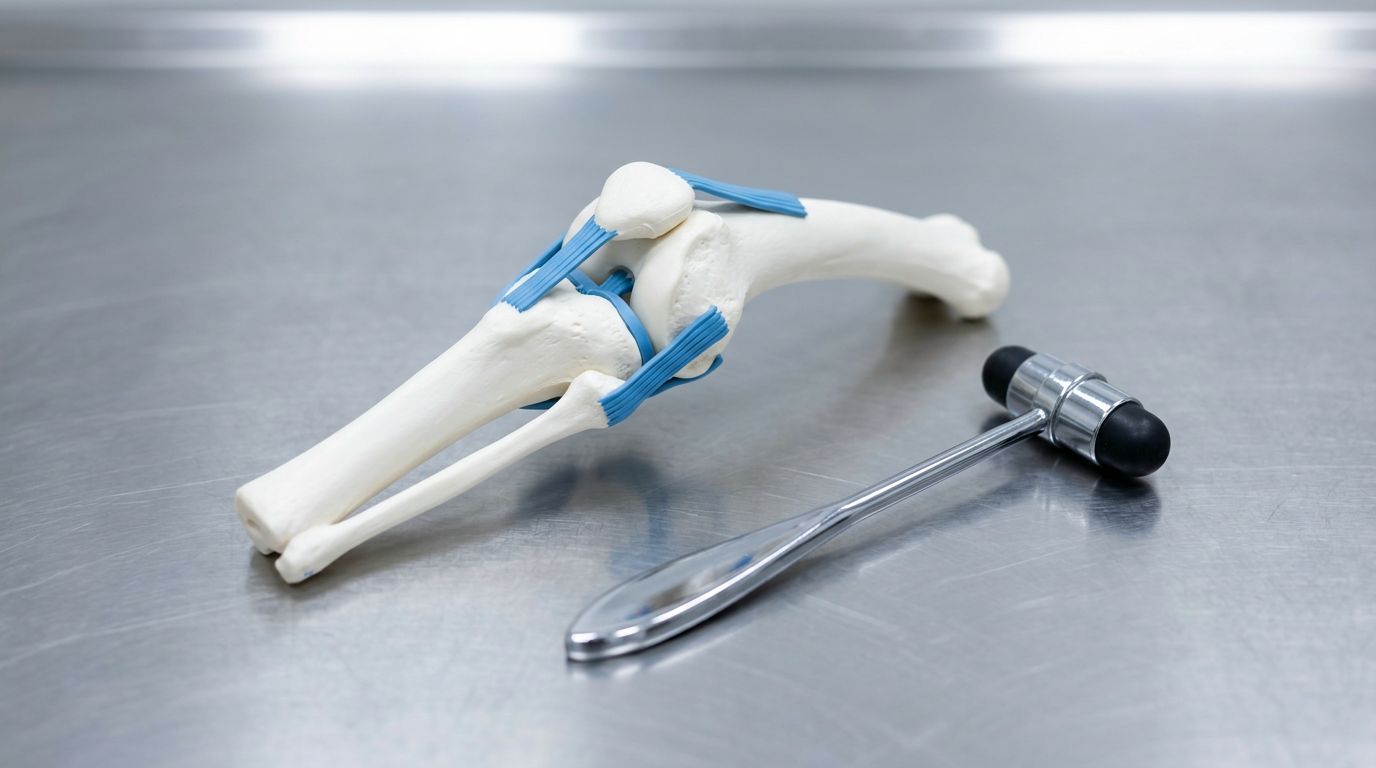
Systematic health evaluations at our Mesa clinic help uncover these hidden physical stressors. Through thorough physical exams, complete blood panels, urinalysis, and joint assessments, our medical team identifies overlapping health issues, including common illnesses in pets. Treating chronic pain, clearing up infections, or managing internal organ changes often resolves behavioral symptoms that initially looked like irreversible mental decline. Once physical discomfort is ruled out or successfully managed, we can confidently focus on targeted brain health strategies.
Multi-Modal Management: Strategies to Support the Aging Canine Mind
Slowing the progression of cognitive decline requires a multi-faceted approach tailored to your pet’s specific needs. While no single cure exists for Canine Cognitive Dysfunction, combining nutritional support, environmental adjustments, and medical therapies helps protect brain health.
Effective management strategies for senior dogs include:
- Therapeutic Brain Diets: Transitioning to specialized senior pet foods enriched with antioxidants, omega-3 fatty acids, and medium-chain triglycerides helps nourish aging brain cells and improve cognitive energy.
- Targeted Supplements: Adding veterinary-recommended cognitive supplements containing L-theanine, S-adenosylmethionine (SAMe), or specialized plant extracts supports healthy neurotransmitter function.

- Environmental Adjustments: Placing nightlights in dark hallways helps confused pets navigate at night, while laying down non-slip rugs provides stability for dogs struggling with slick tile or hardwood floors.
- Consistent Routines: Maintaining steady feeding times, predictable walking schedules, and unchanged furniture layouts lowers anxiety for pets experiencing spatial confusion.
- Gentle Mental Enrichment: Engaging senior dogs with simple scent-work games, soft puzzle toys, and calm outdoor sniffing sessions keeps neural pathways active without causing physical fatigue.
Implementing these supportive measures creates a calmer, more predictable home environment. Lowering daily anxiety allows senior pets to feel safe and comfortable in their familiar surroundings, dramatically improving their overall quality of life.
Integrated Senior Pet Care: Comprehensive Solutions at Adobe Veterinary Clinic
Supporting a senior pet through their golden years involves far more than addressing a single condition. At Adobe Veterinary Clinic, cognitive management integrates smoothly into comprehensive geriatric healthcare. Connecting mental health support with overall physical wellness ensures your aging companion stays active, comfortable, and happy.
Our specialized senior care services include:
- Senior Wellness Examinations & Behavioral Audits: Thorough physical assessments, neurological checks, and custom aging plans evaluate both physical joint health and mental clarity during regular checkups.
- In-House Diagnostic Screening: Comprehensive blood panels, urinalysis, and blood pressure monitoring quickly rule out metabolic disease, diabetes, or internal organ failure.
- Geriatric Pain & Mobility Management: Targeted therapies for arthritis, gentle exercise recommendations, and joint supplements keep aging pets moving comfortably alongside mental support. If you notice a sudden drop in activity, knowing when lethargy is an emergency is crucial for prompt care.
- Professional Senior Dental Care: Gentle oral evaluations, digital dental radiographs, and scaling under safe, monitored anesthesia protocols eliminate systemic infection sources that cause chronic discomfort. Understand exactly how important pet dental care is to keeping their internal organs healthy in their later years.

Offering all of these specialized senior services under one roof simplifies long-term care for Mesa families. Keeping your pet’s joints, internal organs, teeth, and mind supported simultaneously offers the best foundation for a comfortable, happy life.
Dedicated Local Care in Mesa: Why Families Choose Adobe Veterinary Clinic
For decades, pet owners throughout Mesa and the East Valley have turned to Adobe Veterinary Clinic for gentle, family-focused care. Conveniently located at 6454 E. Main St., our practice combines modern diagnostic equipment with a warm, welcoming atmosphere where pets feel genuinely cared for.
Navigating the emotional challenges of caring for an aging pet feels much easier when you have a dedicated local team supporting you. Our experienced veterinarians and compassionate staff take time to listen to your observations, answer questions thoroughly, and design practical care plans tailored to your home environment. Treating your senior pets with the same gentleness, patience, and respect we give our own companions remains the founding promise of our clinic.
Frequently Asked Questions About Senior Pet Cognitive Health in Mesa
Partnering for Your Senior Companion’s Comfort: Contact Adobe Veterinary Clinic Today
Recognizing subtle mental changes in an aging dog offers an opportunity to improve their comfort, safety, and daily happiness. Rather than brushing off strange habits, night waking, or indoor accidents as untreatable old age, partnering with an experienced veterinary team unlocks effective options to support your pet’s brain health. Combining tailored brain diets, targeted supplements, environmental tweaks, and comprehensive geriatric care preserves your dog’s quality of life and keeps your bond strong.
Take a proactive step toward protecting your senior pet’s golden years today. Reach out to Adobe Veterinary Clinic to schedule a comprehensive senior wellness exam and cognitive evaluation with our compassionate medical team. Visit our practice at 6454 E. Main St., Mesa, AZ 85205, or call our office directly at 480-832-2240 to book your appointment. We look forward to supporting you and your beloved companion.