

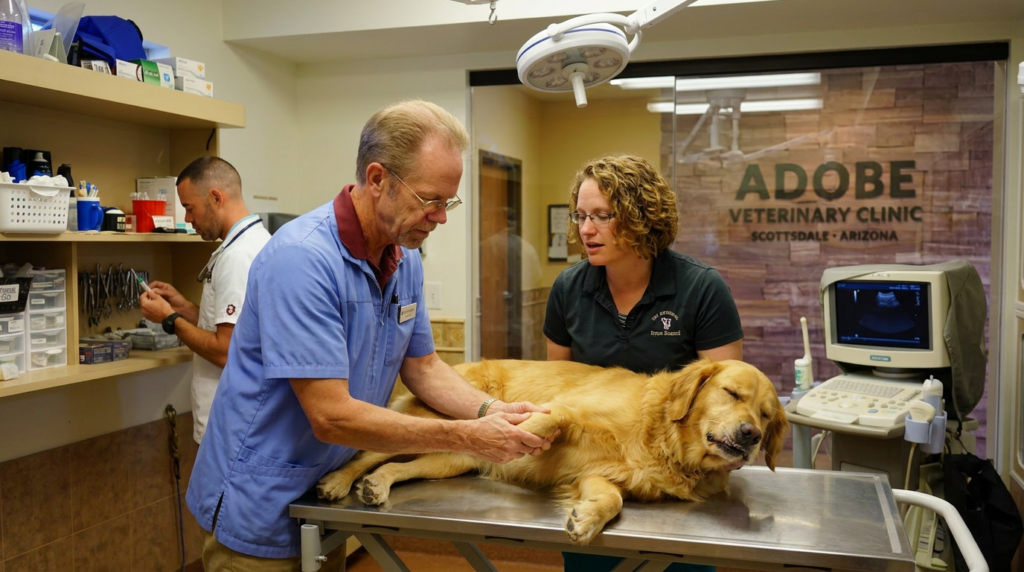
How to Know when it’s time for a Vet Visit
The Silent Language of Animal Instinct
When we share our lives with pets, we often feel like we can read their every thought. We know the specific bark that means a neighbor is walking by, and we recognize the exact purr that demands a dinner bowl refill. However, there is one area where our pets are expert actors: hiding their physical discomfort. This biological survival instinct is deeply rooted in their DNA. In the wild, showing any sign of weakness or injury makes an animal a target for predators. Even though our modern dogs and cats sleep on our sofas and eat premium kibble, that ancient “survival of the fittest” programming remains perfectly intact.
Table of Contents
- Why Your Pet Refuses to Complain
- 1. Subtle Deviations in Social Engagement
- 2. Alterations in Resting Patterns and Sleep Quality
- 3. Nuances in Mobility and Stature
- 4. The Hunched Stature and Spinal Guarding
- 5. Focused Self-Care and Over-Grooming
- 6. Fluctuations in Nutritional Interest
- 7. Heavy Panting While at Rest
- 8. Ocular Signals and Facial Expressions
- 9. Temperament Shifts and Irritability
- 10. Avoidance of Stairs and Furniture
- Identifying the “Red Line” for Emergency Intervention
- Advanced Diagnostic Solutions at Adobe Veterinary Clinic
- Comprehensive Care Pathways for Every Stage of Life
- Why Mesa Residents Trust Adobe Veterinary Clinic
- Frequently Asked Questions About Pet Health in Mesa
- Restoring Quality of Life Through Vigilance and Partnership
This means that a lack of obvious whimpering, crying, or yelping does not mean your pet is feeling their best. Most pets will suffer in silence for as long as they possibly can. By the time they actually start limping or crying out, the pain has often become quite advanced. As a dedicated pet owner, you are the most important member of your pet’s healthcare team. You are their advocate and their health detective. Understanding the subtle shifts in their behavior is the key to catching health issues early, before they become major medical emergencies.
Why Your Pet Refuses to Complain
To understand why pets hide pain, we have to look at the predator-prey dynamic. Even our most pampered domestic animals possess a physiological drive to suppress signs of injury. For cats, who are both hunters and hunted in the wild, appearing vulnerable is a significant risk. For dogs, who are pack animals, showing weakness can lead to a loss of status or even abandonment by the group.
This stoicism is a biological mechanism. When a pet experiences pain, their body may release a surge of adrenaline that masks the discomfort, allowing them to continue moving or eating normally for a time. This makes it incredibly difficult for the average person to tell when something is wrong. Because they cannot tell us where it hurts, we rely on clinical observation and professional diagnostic tools. At Adobe Veterinary Clinic, we use our years of experience to look past this “mask” to find the underlying cause of distress.
1. Subtle Deviations in Social Engagement
One of the most common signs that a pet is struggling is a change in how they interact with the family. This can manifest in two opposite ways. A pet that is usually social and always in the middle of the action might suddenly start spending more time in a back bedroom, under the bed, or in the back of a closet. This “hiding” behavior is a classic sign of systemic discomfort.
Conversely, some pets become unusually clingy or “velcro-like.” They may follow you from room to room or demand constant attention in a way they never did before. This is often an attempt to seek comfort because they feel vulnerable. If your normally independent cat is suddenly stuck to your side, or your social dog is retreating to a quiet corner, it is time to consider a wellness exam to rule out internal pain.
2. Alterations in Resting Patterns and Sleep Quality
Pain is exhausting, but it also makes it very difficult to get comfortable. If you notice that your pet is sleeping significantly more than usual, it may be because their body is trying to heal or because it hurts too much to move. However, the quality of that sleep is just as important as the quantity.
Watch for restlessness or frequent repositioning. A pet in pain may circle their bed many times, get up and lie down repeatedly, or shift their weight from side to side. Chronic pain can disrupt the deep REM cycles that pets need for cognitive health. You might also notice them sleeping in unusual positions or on hard, cool floors instead of their soft bed to alleviate pressure on inflamed joints.
3. Nuances in Mobility and Stature
Limping is an obvious sign of pain, but many orthopedic issues begin much more subtly. You might notice your dog hesitating for a split second before jumping into the car or climbing the stairs. They might start “bunny hopping” with their back legs when they run, or they might simply be slower to rise after a nap.
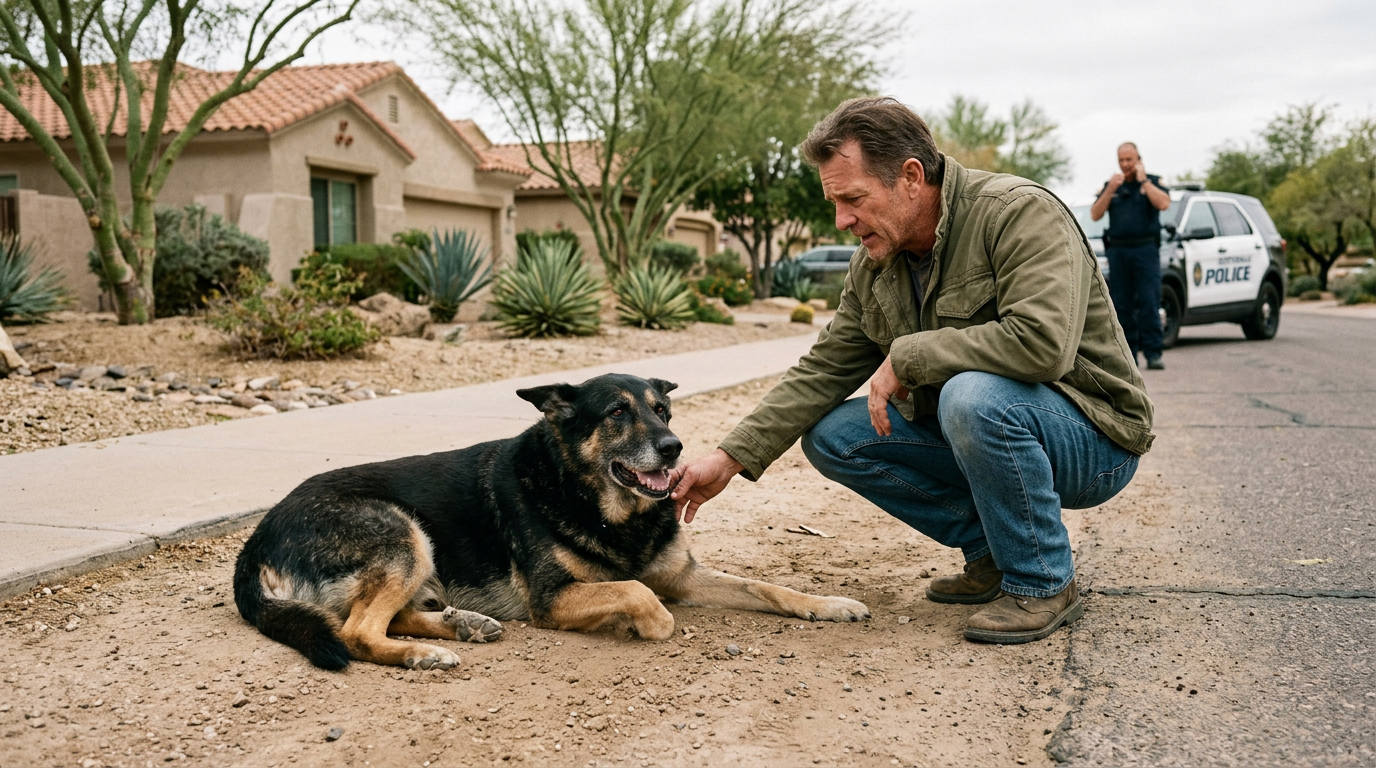
These changes are often dismissed as “just getting old,” but age is not a disease. In most cases, this slowing down is actually a result of treatable arthritis or joint inflammation. At Adobe Veterinary Clinic, we focus on identifying these mobility shifts early so we can implement pain management strategies that restore your pet’s quality of life.
4. The Hunched Stature and Spinal Guarding
The way a pet carries their body tells a story. If you notice your dog or cat walking with a “hunched” or arched back, they are likely experiencing spinal or abdominal pain. This posture is an attempt to protect the internal organs or to take pressure off the vertebrae.
You might also see a “tucked” tail or a head that is held lower than usual. If your pet seems stiff when they turn their head to look at you, or if they seem to move their whole body as one rigid unit, there is a high probability of neck or back discomfort. These signs are clinical indicators that require professional evaluation through digital radiography.
5. Focused Self-Care and Over-Grooming
Pets often try to “fix” their own pain through grooming. If you notice your pet obsessively licking or biting at a specific joint, paw, or area of their body, they are likely dealing with localized inflammation or nerve pain. This is a form of self-soothing.
In some cases, this leads to “hot spots” or areas of hair loss. Owners often think the skin is the problem, but the source is frequently the joint or tissue underneath. If your pet is focusing their grooming on one specific spot, it is a signal that something beneath the surface is causing them distress.
6. Fluctuations in Nutritional Interest
Oral pain is one of the most common “hidden” sources of suffering in pets. Because they have to eat to survive, many pets will continue to eat even if they have broken teeth, infected gums, or oral tumors. You have to look for the nuances.
- Dropping kibble while eating.
- Chewing on only one side of the mouth.
- Approaching the food bowl with interest but then backing away.
- A sudden preference for soft food over hard kibble.
Dental health is a cornerstone of the services we offer at Adobe Veterinary Clinic. A professional cleaning can often take years of silent pain off a pet’s life, transforming a “picky eater” back into a happy, hungry companion.
7. Heavy Panting While at Rest
Panting is normal after a long walk in the Mesa heat, but panting while lying in a cool living room is a major red flag. When an animal is in pain, their heart rate increases and their breathing becomes shallow and rapid. This is an autonomic nervous system response to stress.
If your pet is panting without a clear reason (like heat or exercise), their body is likely working hard to manage a pain signal. This is often seen in pets with internal issues or chronic conditions like heart disease or advanced arthritis.
8. Ocular Signals and Facial Expressions
The eyes truly are the windows to a pet’s health. A pet in distress often has dilated pupils, giving them a “wide-eyed” or startled look even when the room is quiet. Conversely, some pets will squint or have a “glassy” look to their eyes.
You might also notice a furrowed brow or a tense jaw. These facial expressions are subtle, but when combined with other behavioral changes, they point toward a significant stress response. If your pet looks “worried” or tense in the face, it is their body reacting to internal discomfort.
9. Temperament Shifts and Irritability
Pain changes personality. A dog that has always been patient with children might suddenly growl when touched. A cat that loved being brushed might now hiss or swat at the grooming tool. This is not “bad behavior”—it is a defensive reaction.
If a pet knows that being touched in a certain spot will hurt, they will use their voice or their teeth to tell you to stay away. Sudden aggression or irritability in a senior pet is almost always a medical issue rather than a behavioral one. We believe in treating the pain first to see the true personality of the pet return.
10. Avoidance of Stairs and Furniture
For many pets, the “red line” for pain is vertical movement. If your cat has stopped jumping onto the kitchen counter (even if you appreciate the clean counters), it is likely because the impact of landing hurts their front legs or the launch hurts their back legs.
If your dog used to sleep on the bed but now stays on the floor, they are telling you that the jump is no longer worth the pain. These small “opt-outs” of daily life are significant markers of physical decline that we can address through specialized surgical care or geriatric screenings.
Identifying the “Red Line” for Emergency Intervention
While some pain is chronic and develops over time, other situations require an immediate trip to our Mesa facility. Knowing the difference can save your pet’s life. You should seek urgent clinical care if you notice:
- Total inability to stand or walk.
- Uncontrolled shaking or tremors.
- Extreme vocalization (yelping or screaming) when touched.
- Labored breathing or blue-tinged gums.
- A bloated or hard abdomen.
- Sudden, profound lethargy where the pet will not respond to your voice.
If you are unsure whether your pet’s situation is an emergency, it is always better to call. Our team is trained to help you triage the situation over the phone and determine if you need to bring them in right away.
Advanced Diagnostic Solutions at Adobe Veterinary Clinic
At Adobe Veterinary Clinic, we don’t believe in guesswork. When a pet owner comes to us with concerns about “silent” symptoms, we use the latest medical technology to find answers. Our facility is equipped with digital radiography, which allows us to see deep into the joints and organs to identify fractures, tumors, or signs of organ enlargement.
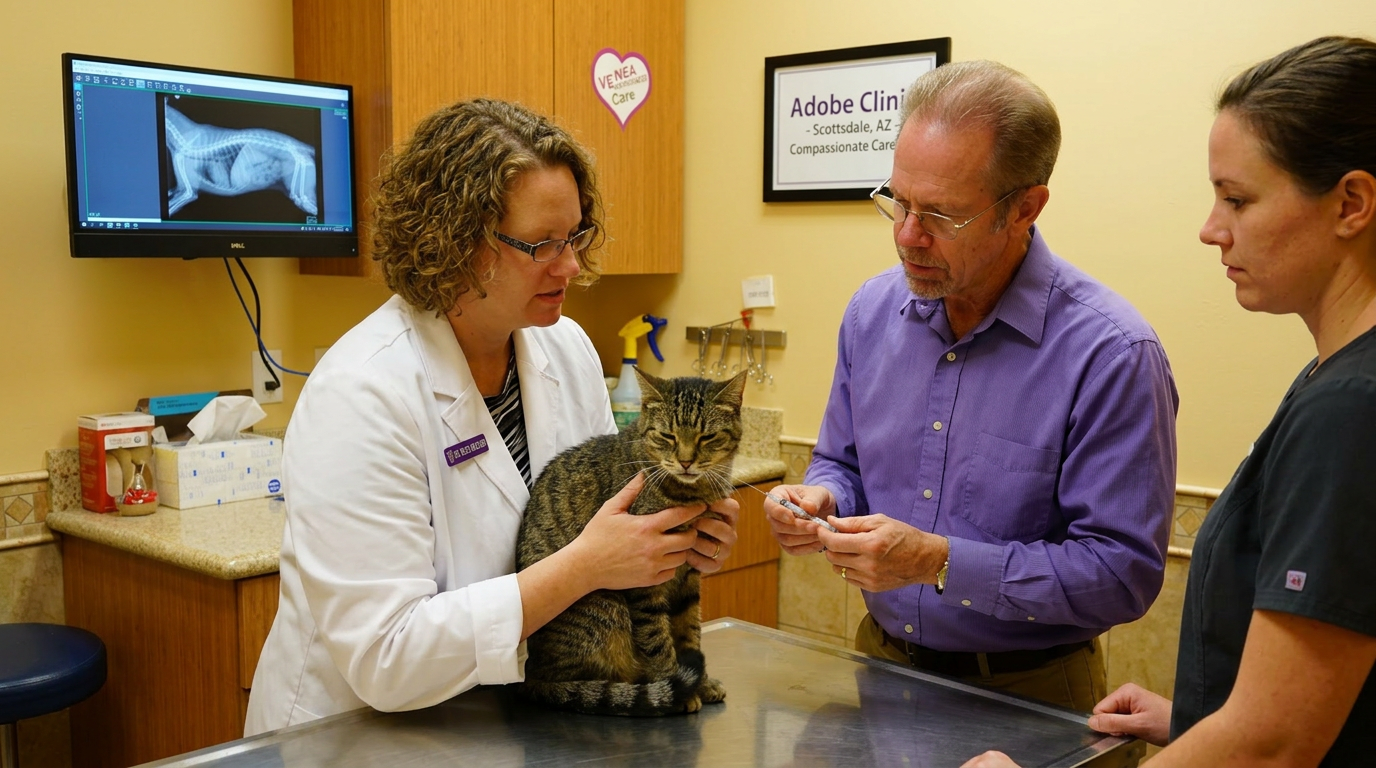
We also offer comprehensive blood work and geriatric screenings. These tests can catch metabolic issues, such as kidney disease or liver dysfunction, long before they show outward signs. By identifying these issues in the sub-clinical stage, we can start treatments that prevent pain from ever becoming a dominant part of your pet’s life.
Comprehensive Care Pathways for Every Stage of Life
Our approach to pet health is built on several key pillars of service. We don’t just treat symptoms; we look for long-term solutions.
- Proactive Wellness Exams: These are the most powerful tools in our kit. Regular exams allow us to establish a “baseline” for your pet, making it much easier to spot those subtle behavioral shifts.
- Specialized Surgical Care: Whether it is a routine spay or a complex soft-tissue surgery, we prioritize pain management at every step. We use advanced anesthesia protocols and local blocks to ensure your pet is comfortable before, during, and after their procedure.
- Dental Health Interventions: We provide full dental cleanings and oral surgery. Removing a source of chronic infection and pain can drastically improve a pet’s energy levels and appetite.
- Geriatric Care: Senior pets have unique needs. We offer tailored plans that include joint supplements, specialized diets, and pain-relief medications designed for aging organs.
Why Mesa Residents Trust Adobe Veterinary Clinic
Located conveniently on Main St. in Mesa, Adobe Veterinary Clinic has been a staple of the East Valley community for years. We understand the specific challenges that pets face in our Arizona climate, from the extreme summer heat that exacerbates joint pain to the local allergens that can cause skin and ear discomfort.
Our staff is not just highly trained in animal medicine; we are also pet owners ourselves. We treat every patient with the same compassion and expertise we would want for our own animals. When you walk through our doors, you aren’t just a client—you are a partner in your pet’s health. We are committed to providing accessible, high-quality care that keeps the pets of Mesa happy and healthy for as long as possible.
Frequently Asked Questions About Pet Health in Mesa
Restoring Quality of Life Through Vigilance and Partnership
Your pet’s silence is not a sign that everything is fine; it is a call for you to be observant. By recognizing the ten subtle signs discussed today, you can intervene before pain takes a toll on your pet’s happiness. Whether it is a slight change in how they greet you at the door or a new hesitation at the stairs, these moments are opportunities to provide the care they need.
At Adobe Veterinary Clinic, we are here to help you decipher the silent language of your pet’s distress. Through a combination of expert clinical exams, advanced diagnostics, and a compassionate approach to medicine, we can identify the root cause of discomfort and create a path toward healing. Don’t let your companion suffer in silence. Contact us today at our Mesa location to schedule a wellness assessment and ensure your pet enjoys a vibrant, pain-free life by your side.