


Chasing a stray dog down a neighborhood street in Mesa causes instant panic. Scrolling through pet store aisles or online shops reveals dozens of smart collars, Bluetooth tags, and biometric health trackers promising total peace of mind. High-tech pet gadgets have officially taken over the consumer pet market. Notifications flash on smartphone screens, recording daily step counts, sleep quality scores, and estimated calories burned.
- Evaluating GPS Trackers: Real-Time Location Safety vs. Microchipping Fundamentals
- Biometric Health Monitors: Understanding Activity Scores, Sleep Metrics, and Calorie Trackers
- The Cost-Benefit Breakdown: Subscriptions, Battery Life, and Practical Everyday Utility
- Comprehensive Medical Services at Adobe Veterinary Clinic: The True Foundation of Pet Wellness
- Combining Tech Insights with Clinical Expertise for Personalized Care Plans
- Essential Smart Pet Tech and Vet Care Insights
- Partnering with Adobe Veterinary Clinic for Total Peace of Mind
Digital app alerts create an engaging window into your pet's daily routine, yet raw data differs sharply from medical diagnostics. Measuring resting heart rates or scratch frequency provides interesting observations, but smart sensors cannot look inside an ear canal or feel for abdominal pain. Algorithms process numbers without clinical context.
Relying on wearable technology works best when treating these devices as helpful secondary tools. At Adobe Veterinary Clinic, our medical team views smart collar data as a valuable piece of a much larger puzzle. Combining home tracking metrics with hands-on physical examinations gives Mesa pet owners the clearest picture of their companion's true health.
Evaluating GPS Trackers: Real-Time Location Safety vs. Microchipping Fundamentals
Escaping through an open backyard gate or slipping a leash during a hike along Usery Mountain trails happens in a heartbeat. Satellite-based GPS collars allow pet parents to track a lost dog's location in real time using smartphone maps. Watching a live dot move across neighborhood streets helps owners locate wandering pets quickly before traffic accidents or desert heat exposure occur.
Practical limitations often complicate real-time tracking when emergencies strike. Battery life drains rapidly on active GPS units, leaving pet owners stranded if a device dies mid-search. Dead zones across rural East Valley pockets interrupt cellular signals, rendering live tracking useless in remote desert terrain. Heavy GPS units can snag on thick brush, allowing a scared dog to pull free from the collar entirely.
Permanent microchipping remains the gold standard for lost pet recovery. Implanted beneath the skin between the shoulder blades by our medical team at Adobe Veterinary Clinic, a tiny microchip carries a unique identification number that never loses power, wears out, or drops off. Animal shelters and veterinary hospitals across the country scan lost pets immediately upon arrival.
- Active GPS Trackers: Require frequent battery recharging, strong cellular coverage, and recurring monthly subscription fees to broadcast location data.
- Passive Microchips: Offer permanent, maintenance-free identification that stays safely under the skin for your pet's entire lifespan.
- Layered Protection: Pairing a comfortable GPS collar with a permanent microchip creates a multi-layered safety net for adventurous Mesa pets.
Permanent identification is also an important component of preventive veterinary care, particularly for pets who spend time outdoors.

Biometric Health Monitors: Understanding Activity Scores, Sleep Metrics, and Calorie Trackers
Tracking daily movement patterns reveals subtle changes in your pet's normal routine. Biometric collars record resting heart rates, respiratory trends, scratch frequency, and total sleep disruption throughout the night. Seeing a sudden drop in daily activity or noticing restless sleep patterns alerts owners to potential changes in their pet's comfort or behavior.
Early red flags often show up first in biometric data trends. A dog developing early canine arthritis may quietly slow down during morning walks, showing decreased step counts days before developing a noticeable limp. Cats experiencing subtle skin allergies may scratch or lick repeatedly during late-night hours, registering spike warnings on smart collar apps. Catching these behavioral shifts early allows our Mesa veterinarians to evaluate joint function or skin health before conditions worsen.
App alerts require thoughtful interpretation to prevent unnecessary panic. A sudden dip in activity might simply mean your dog rested after an extra-long weekend hike rather than indicating a medical crisis. Checking for physical signs like appetite loss, lethargy, or coughing helps put digital metrics into proper perspective before jumping to conclusions.
The Cost-Benefit Breakdown: Subscriptions, Battery Life, and Practical Everyday Utility
Investing in smart pet tech involves ongoing financial commitments beyond the initial hardware purchase. Most GPS trackers and health monitors require upfront equipment costs ranging from fifty to two hundred dollars, followed by required monthly cellular subscription plans. Replacement costs add up quickly when active dogs scratch, chew, or lose expensive electronic units during rough outdoor play.
Mesa's desert environment tests the physical limits of electronic pet gear. Extreme summer heat can degrade lithium-ion batteries rapidly, while blowing dust and pool water can breach cheap plastic seals. Durable, weather-resistant hardware proves essential for pets who spend time exploring dusty yards, swimming, or accompanying their owners on rugged desert trails.
Deciding whether smart gadgets justify the price tag depends heavily on your pet's specific lifestyle and health profile. Certain pets benefit far more from continuous digital tracking than others.
- High-Risk Escape Artists: Dogs with a history of jumping fences, digging under gates, or bolting during thunderstorms gain immediate safety value from GPS tracking.
- Senior Companions: Aging pets managing osteoarthritis or cognitive decline benefit from sleep and mobility tracking that measures changes in activity and behavior over time.
- Pets with Chronic Illnesses: Animals recovering from major surgery or managing cardiac conditions may provide valuable resting data for veterinary follow-ups.
- Low-Risk Indoor Pets: Calm, indoor cats and yard-attached senior dogs often gain little practical benefit from costly subscription-based collars.

Comprehensive Medical Services at Adobe Veterinary Clinic: The True Foundation of Pet Wellness
Fancy gadgets and smartphone apps can never replace compassionate, hands-on veterinary care. Situated at 6454 East Main St in Mesa, AZ, Adobe Veterinary Clinic delivers complete medical, surgical, and preventive services to protect your pet's health at every life stage. Our experienced team treats every patient like family, combining modern clinical technology with gentle, personalized care.
Preventive care forms the cornerstone of a long, healthy life. Annual wellness examinations allow our veterinarians to examine eyes, ears, teeth, heart, and joints in detail. Updating core vaccinations, administering heartworm and tick preventatives, and performing routine senior bloodwork screens allow us to identify silent health issues long before an app generates an alert.
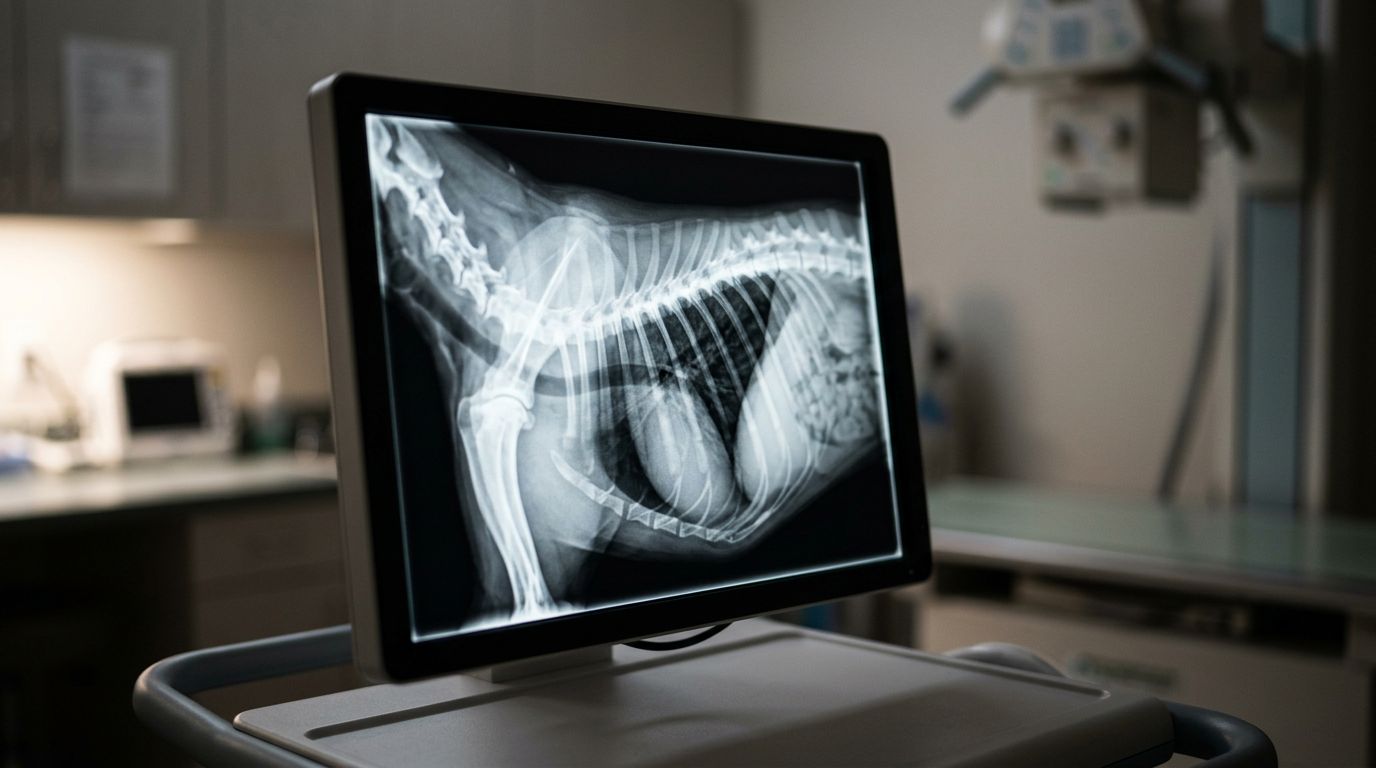
In-house diagnostic and surgical capabilities allow our Mesa team to respond quickly when your pet feels unwell. Our facility features digital veterinary X-rays, ultrasound imaging, and advanced laboratory machines for rapid, accurate blood analysis. From routine spays and neuters to complex soft tissue and orthopedic surgery, our surgical suite maintains strict safety standards, complete with continuous vital sign monitoring and dedicated anesthesia care.
Systemic health relies heavily on professional oral hygiene. Periodontal disease can cause painful tooth loss and may allow oral bacteria to enter the bloodstream and affect other organs. Our thorough dental cleanings under anesthesia remove deep tartar, polish enamel, and treat infected teeth using digital dental X-rays. Combined with on-site boarding, grooming, and permanent microchipping, our facility provides total care for East Valley pets.
- Preventive Care Excellence: Comprehensive physical checkups, customized vaccination schedules, parasite prevention, and senior health panels.
- Diagnostic & Surgical Power: Digital radiology, ultrasound imaging, fast in-house bloodwork, and advanced soft tissue and orthopedic surgery.
- Full-Service Comfort: Professional dental prophylaxis, permanent microchipping, comfortable boarding, and professional grooming services under one roof.
Combining Tech Insights with Clinical Expertise for Personalized Care Plans
Bridging the gap between home technology and professional medicine creates a powerful healthcare partnership. Bringing smart collar data into the exam room gives our veterinary team valuable context about your pet's home environment. Showing us baseline activity charts, scratch frequency logs, or sleep disruption trends helps us tailor diagnostic testing and treatment plans to your pet's exact needs.
Monitored data helps track how well your pet responds to prescribed medical treatments over time. Starting a new joint supplement or pain management protocol for an arthritic dog should ideally improve mobility and sleep quality. Reviewing activity trends over subsequent weeks provides additional information that can be discussed with your veterinarian when evaluating whether a treatment plan is working effectively.
Weight management programs also benefit from objective activity tracking. Combining precise daily feeding guidelines calculated by our Mesa vets with activity data can help document your pet's daily routine and progress. Pairing home tracking insights with routine clinical checkups gives your pet the best opportunity for a long, active life.
For pets requiring ongoing medical evaluation, our veterinary medical care can provide the clinical context needed to interpret changes observed at home.

Essential Smart Pet Tech and Vet Care Insights
Partnering with Adobe Veterinary Clinic for Total Peace of Mind
Smart collars and health monitors offer fun, useful glimpses into your pet's daily habits, but technology alone cannot guarantee long-term health. Real safety comes from layering smart home awareness with proven preventive medicine, permanent microchipping, and routine clinical care. When app alerts flag a sudden shift in behavior, having a trusted veterinary team ready to investigate provides true peace of mind.
Building a strong foundation for your pet's health starts with personalized, hands-on attention. Whether you want to microchip a new rescue, evaluate an app alert, or schedule a routine wellness checkup, our compassionate team is here to help your companion thrive. Call Adobe Veterinary Clinic at (480) 832-2240 or visit our clinic at 6454 East Main St in Mesa, AZ today to schedule your pet's next appointment.