
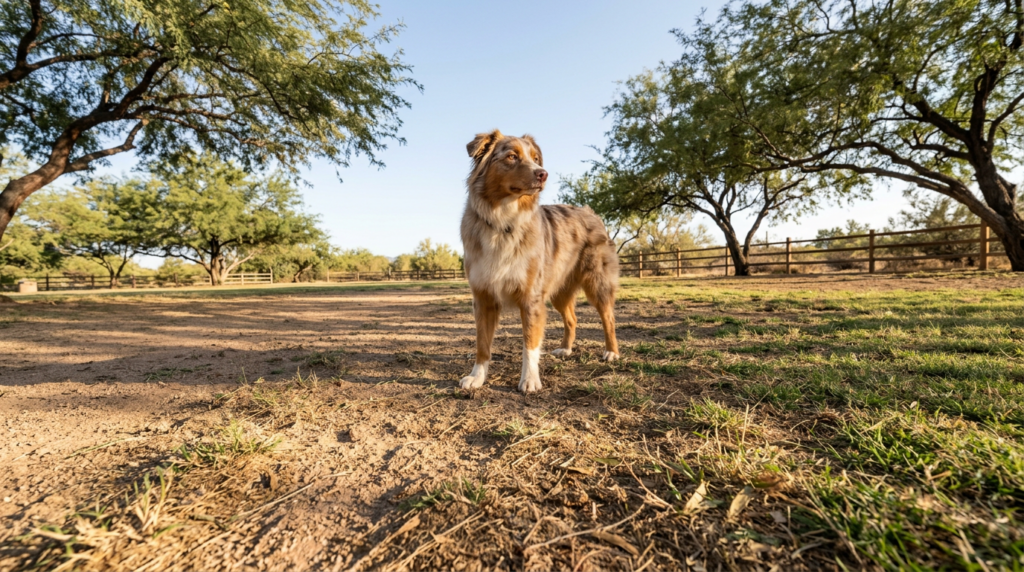
Watching your dog sprint across open grass at a Mesa park brings pure joy. Off-leash play spaces across the East Valley offer vital physical exercise, mental enrichment, and social outlets for energetic dogs. Running freely, burning off excess steam, and wrestling with neighborhood playmates keeps working breeds and young dogs healthy. Yet beneath the enthusiastic barking and social tail wags lies an unseen biological threat. High-density canine gathering spots naturally concentrate viral pathogens, intestinal protozoa, and respiratory contaminants in the environment.
Table of Contents
- Unseen Biological Hazards Behind the Off-Leash Fun
- Unmasking Desert Soil and Water Microbes: Parvovirus and Giardia
- Shared Park Equipment and Turf Hotspots
- Smart Hygiene Habits and Essential Immunization Protocols
- Complete Medical Solutions at Adobe Veterinary Clinic
- Identifying Early Disease Warning Signs After Park Outings
- Essential East Valley Dog Park and Pet Health Insights
- Partnering with Adobe Veterinary Clinic for Safe Social Outings
Bacterial spores and viral particles thrive in communal outdoor spaces where dozens of dogs congregate daily. Ingesting microscopic contaminants while sniffing grass or drinking standing water turns a fun outing into an unexpected medical emergency. Unvaccinated puppies, senior dogs, and pets with compromised immune systems face particularly high infection risks.
Protecting your four-legged family member does not mean avoiding outdoor fun entirely. Combining proactive veterinary immunizations, vigilant park hygiene, and routine health screenings allows your dog to enjoy social play safely. Partnering with the experienced medical team at Adobe Veterinary Clinic ensures your pet maintains maximum immunological defense before stepping foot into public play zones.

Unseen Biological Hazards Behind the Off-Leash Fun
Off-leash parks provide dogs with valuable opportunities for exercise, enrichment, and socialization, but they also create environments where infectious organisms can move between animals. Dogs investigate their surroundings with their noses and mouths, making contaminated soil, water, toys, and shared surfaces potential routes of exposure.
Understanding these risks is an important part of responsible park preparation. A dog's vaccination status, age, health history, and lifestyle all influence which preventive measures may be appropriate. Regular preventive pet exams can help establish an individualized health plan before frequent visits to communal dog parks.
Unvaccinated puppies, older dogs, and pets with weakened immune defenses may require additional consideration before entering high-traffic play environments. Rather than eliminating social activity altogether, owners can reduce exposure by combining veterinary preventive care with practical hygiene measures.
Unmasking Desert Soil and Water Microbes: Parvovirus and Giardia
Canine parvovirus stands out as one of the most important infectious disease concerns for dogs visiting communal environments. The virus can persist in contaminated environments and may be transported from one location to another on paws, footwear, fur, equipment, and other contaminated surfaces. Because dogs naturally sniff and investigate the ground, exposure can occur without an owner seeing an obvious source of contamination.
Giardia presents a different type of environmental challenge. The microscopic parasite spreads through ingestion of infectious cysts, which may be present in contaminated water, soil, or other environments where infected animals have defecated. Dogs that drink from questionable water sources or investigate contaminated areas can inadvertently ingest these organisms.
Potential consequences can range from mild gastrointestinal upset to significant illness requiring veterinary treatment. Owners should be particularly attentive to changes in appetite, energy, stool quality, and hydration after a dog spends time in a heavily used communal area. For additional information about intestinal and other common conditions, review our guide to common pet illnesses in Arizona and how to prevent them.
- Canine Parvovirus Resilience: Parvovirus can remain infectious in contaminated environments for extended periods and may spread through contaminated paws, shoes, fur, and surfaces.
- Giardia Cyst Contamination: Giardia cysts may be present in contaminated water and soil, potentially causing diarrhea and dehydration when ingested.
- Severe Physical Impact: Significant infections can cause lethargy, vomiting, diarrhea, dehydration, and dangerous fluid or electrolyte disturbances.
Shared Park Equipment and Turf Hotspots
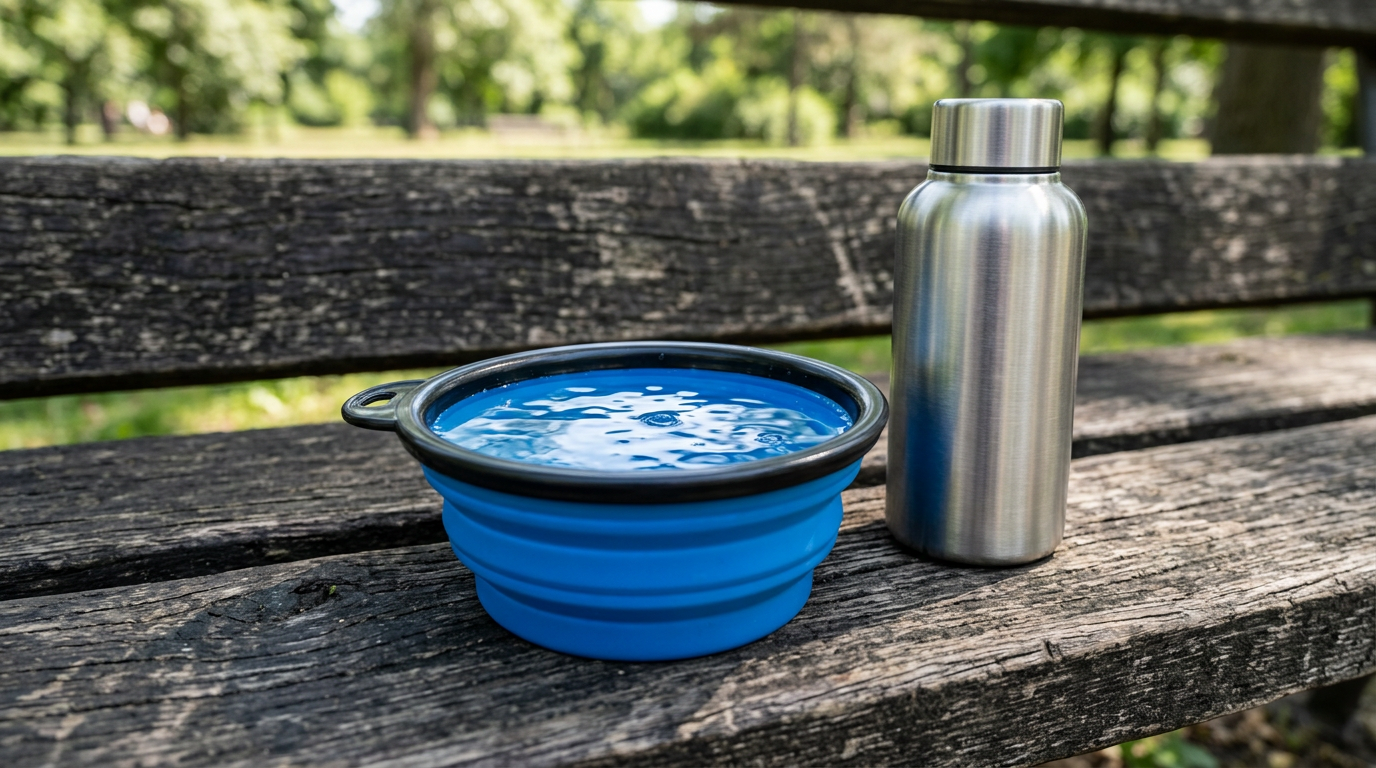
Communal water fountains and shared bowls can become sources of exposure when numerous dogs use the same drinking surfaces. Saliva, dirt, organic debris, and microscopic fecal contamination may accumulate around heavily used drinking areas. Bringing fresh water from home and offering it in a clean personal bowl removes one unnecessary exposure pathway.
Synthetic turf and heavily trafficked dirt areas deserve similar attention. A surface can appear clean while still having been contacted by numerous dogs throughout the day. Organic material can collect in cracks, seams, drainage areas, or beneath turf fibers, particularly in locations that receive frequent animal traffic.
Toys provide another potential route for exposure. Dogs frequently carry tennis balls, ropes, and other objects in their mouths, meaning shared toys can transfer saliva and environmental debris between animals. Keeping a personal toy supply and avoiding objects that have been heavily mouthed by unfamiliar dogs can help reduce unnecessary contact.
Respiratory illnesses can also move efficiently through crowded canine environments. Close face-to-face greetings, coughing, sneezing, and heavy panting can increase opportunities for respiratory pathogens to spread. Owners should avoid communal play areas when their dog is showing signs of respiratory illness and should contact a veterinarian for guidance.
- High-Risk Drinking Stations: Communal bowls and fountain catch basins can collect contaminated water containing parasites and bacteria.
- Artificial Turf Hazards: Synthetic grass and heavily trafficked surfaces can retain organic debris, moisture, saliva, and fecal residue.
- Aerosol Respiratory Risks: Crowded play areas increase close-range contact between dogs, creating opportunities for contagious respiratory illnesses to spread.
Smart Hygiene Habits and Essential Immunization Protocols
Building a strong preventive-care routine starts before pulling into the dog park parking lot. Core vaccinations protect dogs against several serious infectious diseases, while lifestyle-based vaccination decisions can address additional risks associated with frequent social exposure.
Adobe Veterinary Clinic can help owners develop an individualized vaccination schedule based on a dog's age, lifestyle, health status, and anticipated exposure. Reviewing pet vaccination services is a useful starting point for understanding how preventive immunization fits into an overall health plan.
Hygiene habits can complement—not replace—appropriate veterinary preventive care. Carrying personal drinking water and a collapsible bowl eliminates the need to rely on communal water sources. Likewise, using personal toys limits direct oral contact with objects that have been shared by numerous dogs.
- Complete Core Vaccinations: Verify with your veterinarian that your dog is appropriately vaccinated against core diseases before entering high-traffic canine environments.
- Lifestyle Booster Protection: Ask your veterinarian whether vaccines such as Bordetella or canine influenza protection are appropriate based on your dog's social activities and exposure level.
- Personal Hydration Gear: Pack fresh water and a clean travel bowl rather than relying on shared drinking stations.
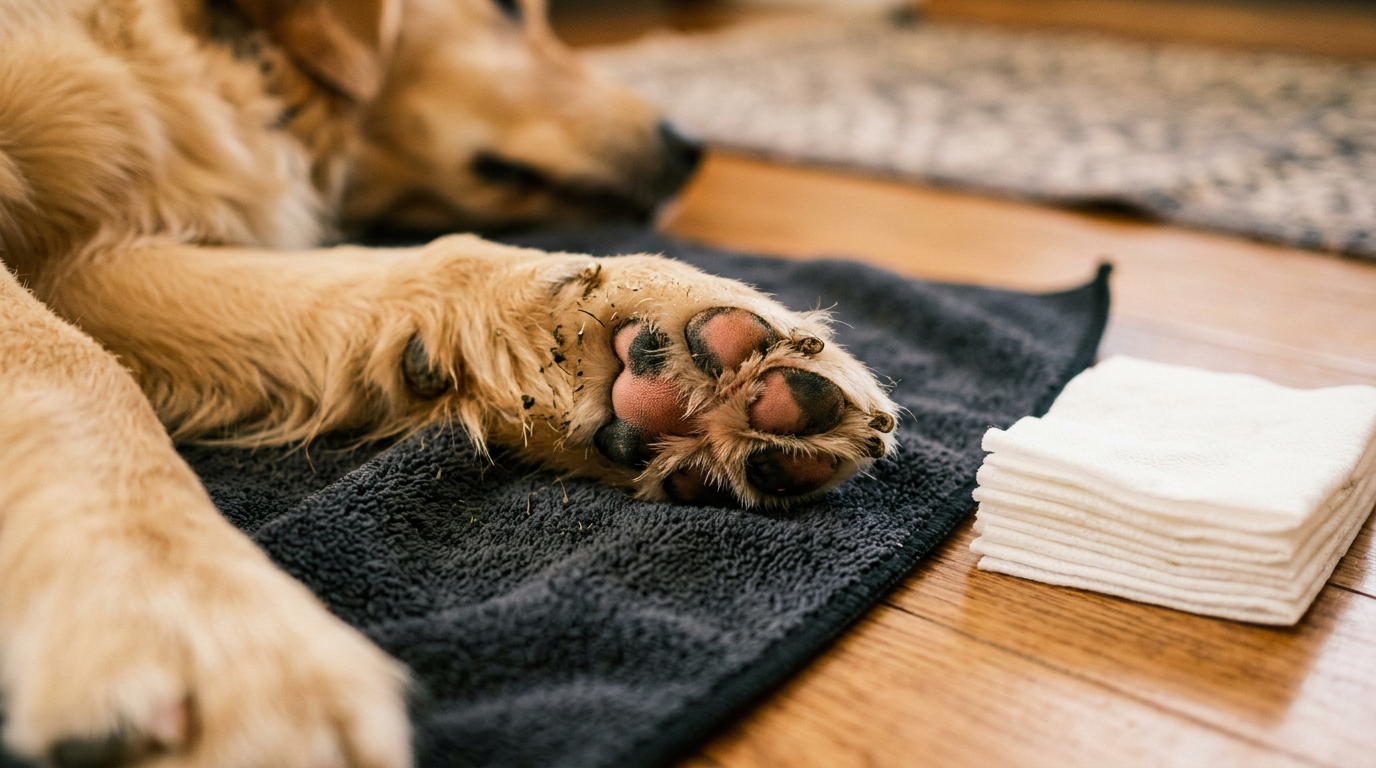
- Post-Park Clean Up: Wipe down paws, muzzle fur, and lower legs with pet-safe cleansing products when appropriate before allowing your dog back into the home.

Complete Medical Solutions at Adobe Veterinary Clinic
Guarding your pet against environmental threats requires an active clinical partner. Situated at 6454 East Main St in Mesa, AZ, Adobe Veterinary Clinic delivers full-spectrum medical care tailored to active East Valley lifestyles. Comprehensive wellness checkups evaluate physical health, while customized vaccination schedules match your dog's specific exposure risks.
Preventive care extends beyond routine shots to include appropriate diagnostic screening. Fecal testing can help veterinarians investigate intestinal parasites when a dog's history, symptoms, or exposure makes testing appropriate. Regular veterinary examinations also provide an opportunity to discuss changes in appetite, stool quality, energy, weight, and other indicators of emerging illness.
When park-acquired illnesses strike, prompt veterinary evaluation is important, particularly when a dog develops significant vomiting, diarrhea, lethargy, dehydration, or other concerning symptoms. Adobe Veterinary Clinic provides diagnostic and treatment services designed to help identify the cause of illness and determine the appropriate course of care.
Preventive and medical services extend beyond infectious disease management. The clinic also provides services addressing dentistry, surgery, preventive medicine, and other aspects of companion-animal health, allowing owners to maintain a more comprehensive care plan.
- Preventive Wellness Exams: Physical evaluations, individualized vaccination planning, parasite prevention, and routine health monitoring.
- Advanced In-House Diagnostics: Laboratory testing, fecal testing, digital X-rays, ultrasound imaging, and other diagnostic tools when medically indicated.
- Critical Care Capabilities: Supportive fluid therapy, monitoring, isolation protocols, surgical services, dental care, and additional veterinary treatment based on the patient's needs.
Identifying Early Disease Warning Signs After Park Outings
Monitoring your companion closely following off-leash visits can help you recognize changes that warrant veterinary attention. Some infections initially produce relatively subtle symptoms before gastrointestinal or respiratory signs become more obvious. Sudden lethargy, unusual tiredness, reduced appetite, or a noticeable change in normal behavior should not be dismissed when they occur after potential exposure.
Gastrointestinal red flags deserve particular attention. Repeated vomiting, watery stool, foul-smelling diarrhea, blood or mucus in the stool, abdominal discomfort, and difficulty maintaining hydration can indicate significant gastrointestinal disease. Severe fluid loss can become dangerous, particularly in puppies and smaller dogs.
Respiratory infections may produce a dry or persistent cough, nasal discharge, watery eyes, fever, or changes in breathing. A coughing or visibly ill dog should be kept away from other pets while the owner contacts a veterinarian for individualized guidance.
If your dog develops concerning symptoms after visiting a communal park, timely veterinary assessment can help determine whether the problem is an infectious disease, parasite, dietary issue, toxin exposure, or another condition. Our resource on when to visit the vet for common pet illnesses provides additional guidance on recognizing situations that deserve professional evaluation.
Essential East Valley Dog Park and Pet Health Insights
Partnering with Adobe Veterinary Clinic for Safe Social Outings
Keeping your dog active and socialized does not require sacrificing preventive health. Combining smart hygiene habits, personal water gear, appropriate vaccination, and routine veterinary care can reduce avoidable exposure risks while allowing your dog to continue enjoying outdoor activities across Mesa and the East Valley.
Guarding your companion against park-acquired diseases begins with a proactive veterinary relationship. Whether your dog needs an updated vaccination plan, lifestyle-specific preventive care, parasite screening, or diagnostic evaluation after developing gastrointestinal or respiratory symptoms, Adobe Veterinary Clinic can help you determine the appropriate next step.
Before your next off-leash adventure, make sure your dog has fresh water, appropriate identification, current preventive care, and a plan for responding if illness develops. If your pet experiences persistent vomiting, severe diarrhea, marked lethargy, breathing difficulty, or another significant change after a park outing, contact a veterinary professional promptly.