

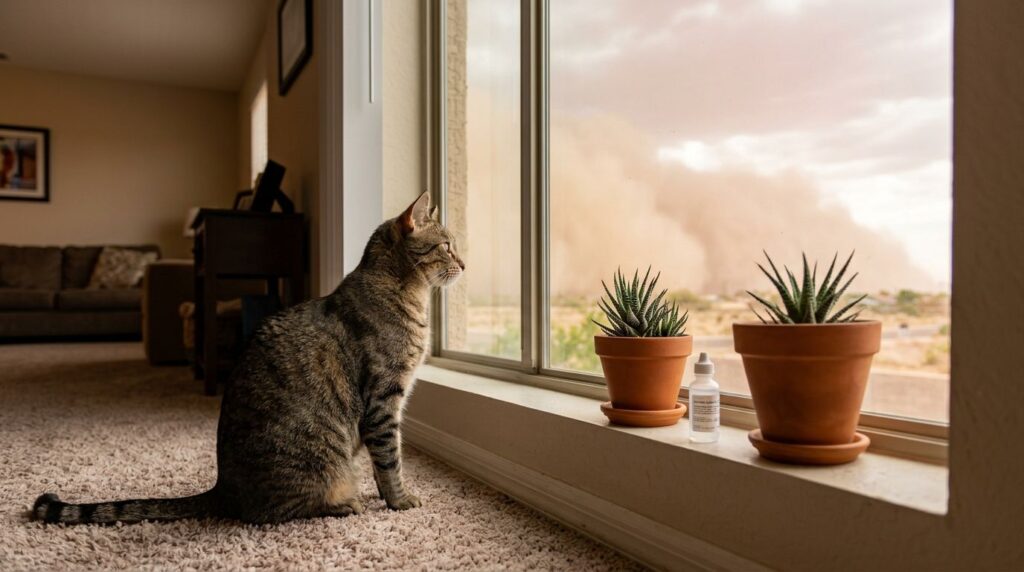
Summer in the East Valley brings sudden atmospheric shifts that can turn a calm afternoon sky dark in minutes. Looming thousands of feet high, massive walls of airborne dust sweep across Mesa, swallowing neighborhoods and tossing high-velocity sand, dried soil, and organic debris through the air. These intense dust storms, known locally as haboobs, hit during Arizona's summer monsoon season. While people quickly retreat inside homes and vehicles, outdoor pets often remain exposed to howling winds and blinding grit.
- Atmospheric Pathology: How Airborne Dust Scratches Corneal Tissues and Inflames Eyes
- Recognizing Ocular Distress: Clinical Warnings of Eye Trauma and Infection
- Respiratory Hazards and Valley Fever: The Hidden Inhalation Risks of Haboobs
- Comprehensive Care at Adobe Veterinary Clinic: Safeguarding Mesa Pets
- Haboob Safety Protocols: Pre-Storm Sheltering and Safe First-Aid Rinsing
- Essential Mesa Haboob and Pet Eye Safety Insights
- Partnering with Adobe Veterinary Clinic for Year-Round Desert Health
Curiosity drives dogs and cats to investigate sudden environmental changes rather than seek immediate cover. Standing near backyard fences or sniffing along patio perimeters puts outdoor animals directly in the path of blowing sand and microscopic airborne hazards. High winds whip tiny silica particles and plant thorns into sensitive eyes, ears, and airways. Without protective measures, a brief outdoor trip during a haboob can lead to severe ocular trauma and respiratory complications.
Guarding your companion against desert storm threats requires proactive home management and swift medical action when exposure occurs. At Adobe Veterinary Clinic, our experienced medical team delivers emergency eye care, Valley Fever testing, and comprehensive veterinary services to keep Mesa pets safe through monsoon season.
Atmospheric Pathology: How Airborne Dust Scratches Corneal Tissues and Inflames Eyes
Impacting delicate ocular membranes at forty miles per hour, fine grit strips away the eye's protective tear film instantly. Natural lubrication vanishes. Rubbing against the sensitive cornea, raw dust particles create severe mechanical friction that causes acute pain and inflammation.
Sustained windborne debris frequently leads to mechanical corneal abrasions and deep ulcerations. Sharp silica edges slice microscopic grooves into the outer corneal epithelium, exposing vulnerable sub-surface nerve endings. Bacteria and fungi riding on airborne dust particles find immediate entry into these open corneal wounds. Left untreated, a corneal scratch rapidly becomes infected, threatening permanent vision loss.
Chemical and physical irritants trigger intense inflammatory cascades across surrounding eye structures. Lined with delicate blood vessels, the conjunctival membranes swell rapidly in response to dust exposure. Eyelids swell as natural defense mechanisms struggle to flush out trapped grit.
- Tear Film Disruption: High-velocity desert wind strips away natural moisture, leaving ocular surfaces dry, exposed, and vulnerable to friction.
- Corneal Ulceration: Microscopic sand particles slice delicate surface tissue, creating open wounds susceptible to rapid bacterial infection.
- Acute Conjunctivitis: Trapped dust triggers severe redness, eyelid swelling, and painful inflammation across surrounding ocular membranes.
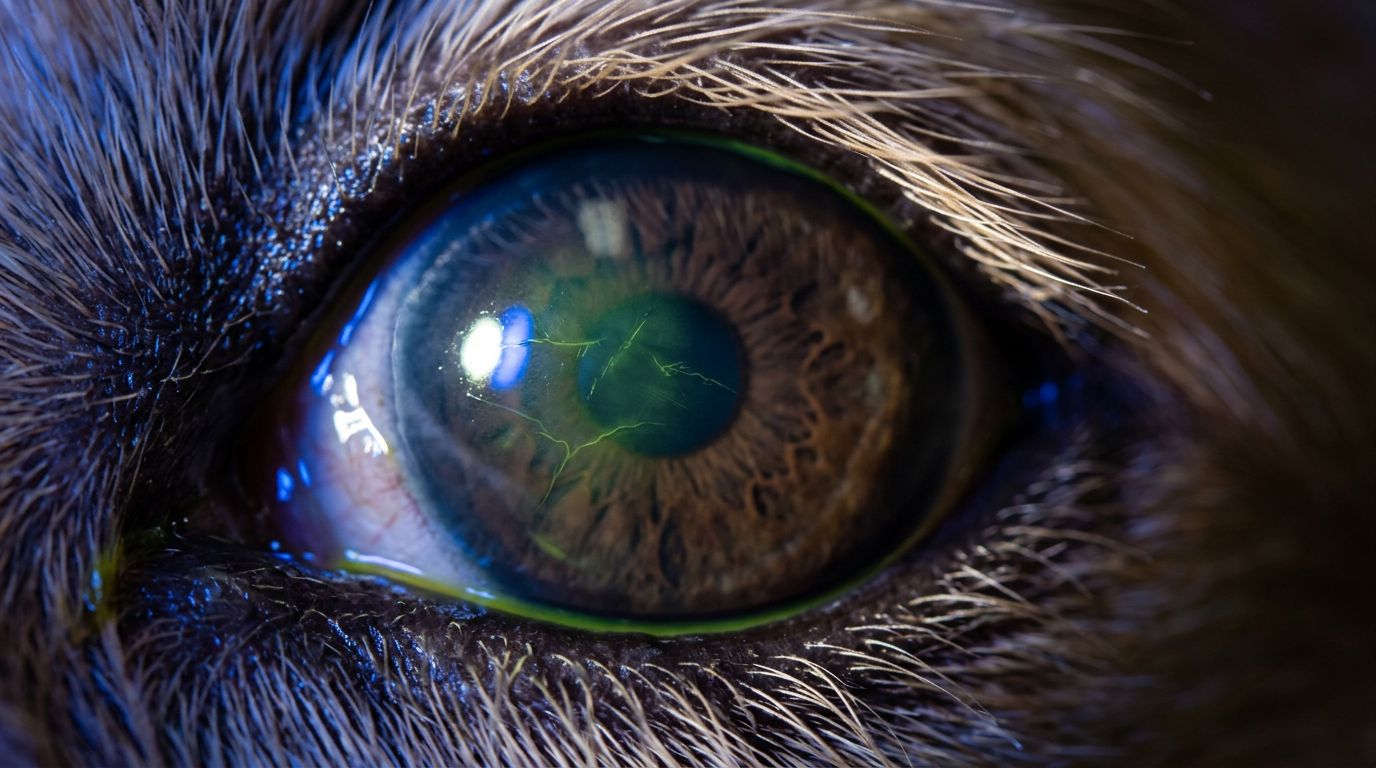
Recognizing Ocular Distress: Clinical Warnings of Eye Trauma and Infection
Watching an exposed pet usually reveals persistent pawing at the face or urgent rubbing against living room carpets and sofa cushions. Instinctively trying to dislodge trapped sand, animals often cause secondary self-inflicted scratches. Reluctance to open one or both eyes, a condition known as blepharospasm, signals severe corneal pain.
Visual cues provide clear evidence of ocular trauma following a dust storm. Tearing increases dramatically as the eye attempts to flush out foreign particles, leaving wet streaks down the face. Squinting against indoor lighting indicates light sensitivity caused by corneal inflammation.
- Bloodshot, deep red discoloration spreading across the white sclera and inner eyelids.
- Cloudiness, bluish haze, or a dull film developing over the normally clear cornea.
- Thick yellow or green discharge accumulating in eye corners, indicating bacterial infection.
- Protrusion of the opaque third eyelid across the inner corner of the eye.
- Visible squinting, constant blinking, or complete closure of the eye due to sharp pain.
Noticing a visible divot on the corneal surface, cloudy fluid inside the eye, or severe swelling requires emergency attention. Delaying assessment allows corneal ulcers to deepen, risking permanent vision loss.
For additional information about veterinary medical care for pets experiencing concerning symptoms, explore our veterinary medical care services.
Respiratory Hazards and Valley Fever: The Hidden Inhalation Risks of Haboobs
Inhaling dense clouds of fine desert dust causes immediate mechanical irritation throughout upper and lower respiratory passages. Microscopic particulates settle along nasal membranes and bronchial tubes, triggering coughing, sneezing, nasal discharge, and wheezing in exposed dogs and cats.
Beyond raw dust, haboobs disperse dangerous fungal threats dormant in dry soil. Howling winds disturb native desert earth, lofting microscopic spores of the fungus Coccidioides immitis high into the atmosphere. Inhaling these airborne arthroconidia spores draws fungal organisms deep into pulmonary tissue, initiating the endemic respiratory disease known as Valley Fever.
- Persistent, dry coughing that fails to clear with standard cough suppressants.
- Unexplained intermittent fevers accompanied by severe lethargy and appetite loss.
- Painful joint swelling, limping, or reluctance to climb stairs as fungal infection spreads to bones.
- Skin lesions, non-healing sores, or enlarged lymph nodes under the neck and armpits.
Evaluating chronic respiratory symptoms with blood tests ensures appropriate antifungal medications start before systemic complications arise. Mesa pet owners can also review our information about Valley Fever symptoms in dogs for additional guidance.
Comprehensive Care at Adobe Veterinary Clinic: Safeguarding Mesa Pets
Located on Main St in Mesa, AZ, Adobe Veterinary Clinic provides targeted medical care to address desert hazards using specialized ophthalmic tools, in-house laboratory analyzers, and digital diagnostic suites. Detecting corneal damage relies on precise clinical diagnostics. Using fluorescein dye staining, our veterinarians illuminate microscopic corneal scratches under cobalt blue light, pinpointing the exact depth and shape of corneal ulcers. Tonometry testing measures intraocular pressure to rule out glaucoma or internal eye inflammation. When grit remains trapped beneath eyelids, our team performs gentle ocular flushes to remove debris safely.
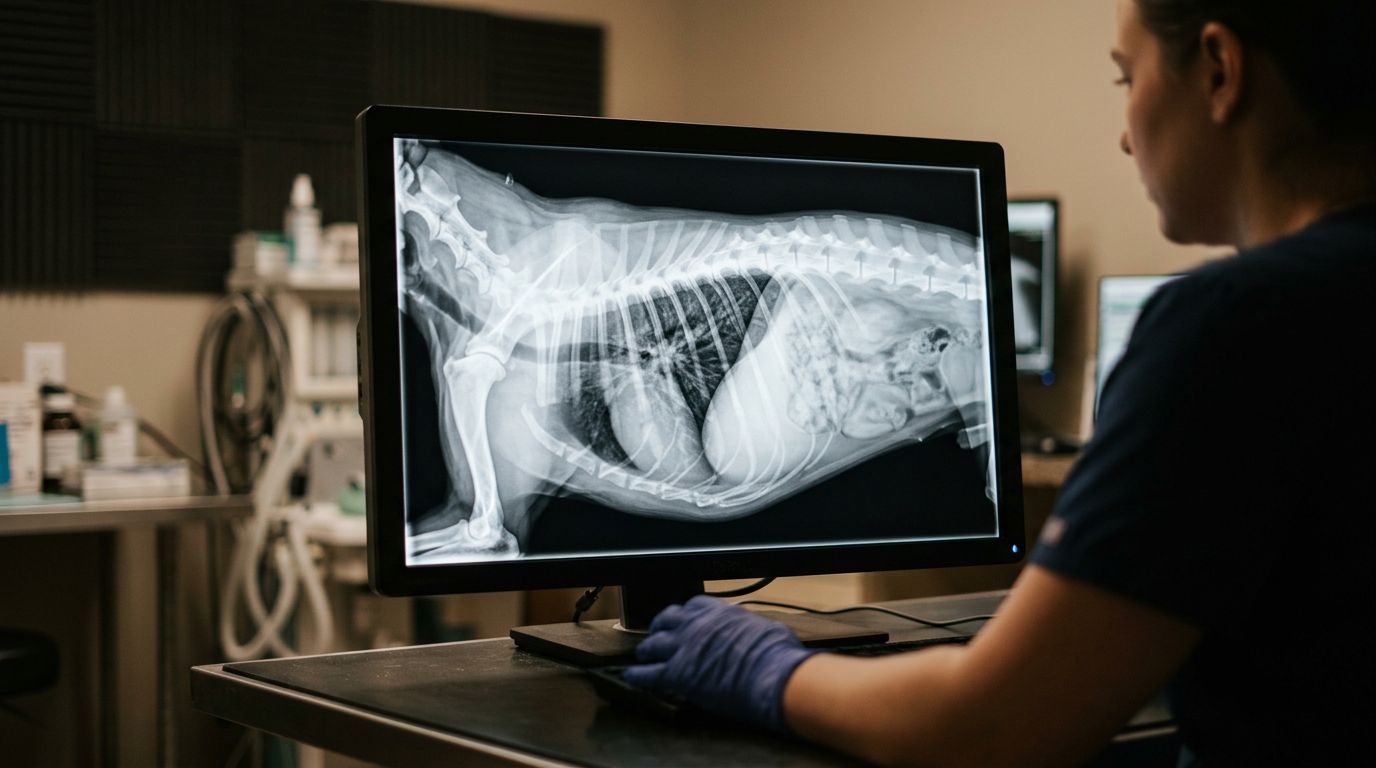
Respiratory health evaluations leverage fast diagnostic technology to identify fungal and bacterial threats. Our on-site laboratory processes Valley Fever antibody titer panels quickly, confirming active fungal infections. High-resolution digital chest X-rays allow our doctors to assess lung tissue, identifying fungal granulomas, bronchitis, or pneumonia. Targeted antifungal therapy, antibiotics, and prescription eye drops restore health under our supervision.
Beyond emergency eye and respiratory care, our full-service Mesa hospital delivers routine physical checkups, core vaccinations, soft tissue and orthopedic surgery, dental cleanings, microchipping, boarding, and grooming under one roof.
- Ophthalmic Diagnostics: Fluorescein corneal staining, intraocular pressure tonometry, and professional ocular foreign body removal.
- Respiratory & Fungal Care: In-house Valley Fever antibody testing, digital chest radiography, and customized antifungal treatment plans.
- Full-Service Medicine: Annual physical exams, tailored vaccines, soft tissue and orthopedic surgery, dental prophylaxis, boarding, and grooming under one roof.
Routine preventive pet examinations can also help establish a baseline for your companion's overall health before seasonal environmental hazards arise.
Our clinic's digital veterinary X-ray services support diagnostic evaluation when respiratory or other internal concerns require imaging.
Haboob Safety Protocols: Pre-Storm Sheltering and Safe First-Aid Rinsing
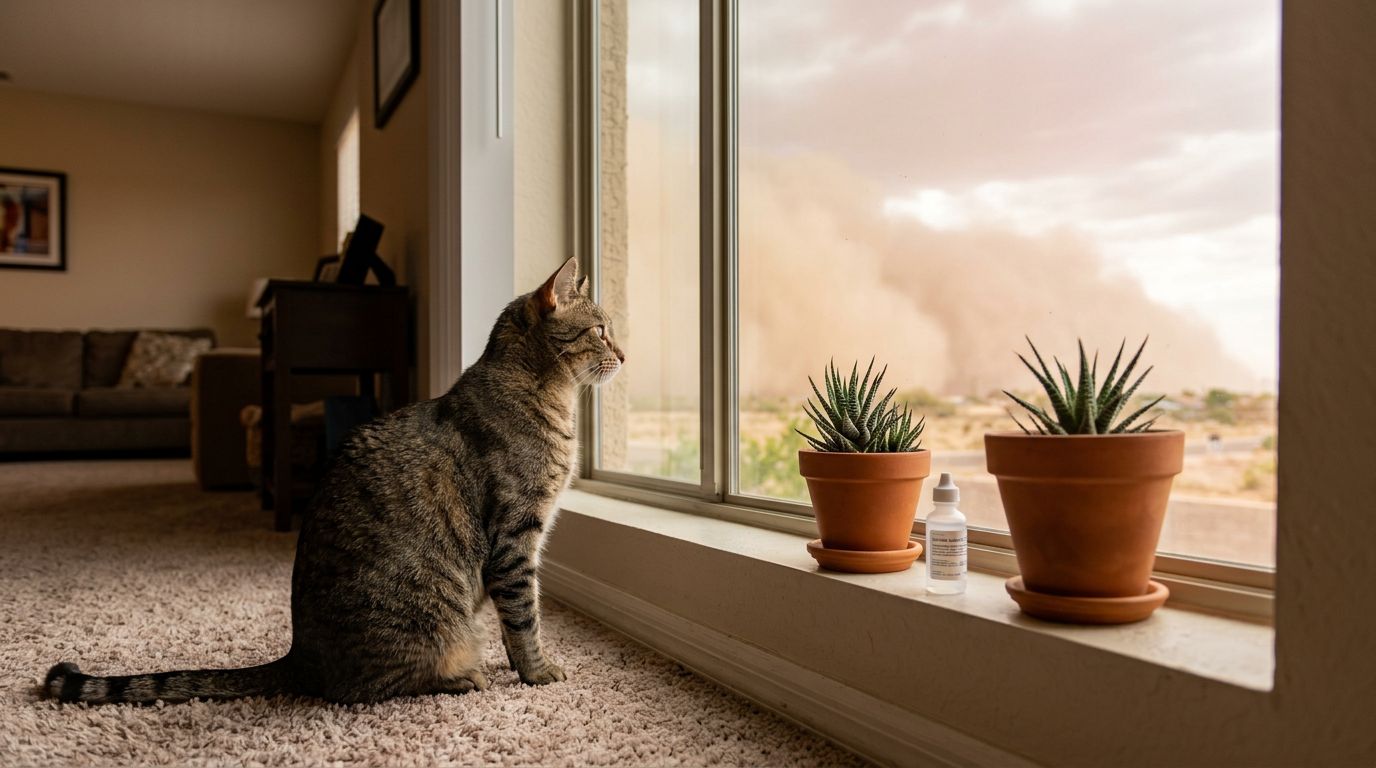
Monitoring local weather alerts gives pet parents time to secure animals indoors before dust walls arrive. Bringing outdoor dogs and cats inside house walls, closing windows tightly, and turning on central air conditioning with clean filtration filters keeps blowing grit out of living spaces.
Performing safe ocular first-aid at home helps soothe mild irritation after accidental dust exposure. Gently flushing eyes with sterile veterinary saline rinses away loose surface dust before grit settles into tissue folds. Holding the bottle slightly above the eye allows liquid to stream smoothly across the ocular surface.
Avoiding common home treatment mistakes prevents accidental eye damage.
- Never use human eye drops, Visine, or medicated human ointments containing steroids or decongestants.
- Avoid forcing eyelids open aggressively or using cotton swabs, tissues, or towels directly on the eyeball.
- Do not attempt to scrape out embedded sand particles or visible foreign objects with fingers or tweezers.
- Stop flushing immediately and seek veterinary care if your pet displays severe pain, cloudiness, or heavy discharge.
Cleaning your pet's coat after a dust storm prevents secondary ingestion and inhalation of grit. Wiping down fur, clearing nostrils, and washing paw pads removes lingering particles before self-grooming starts.
Arizona's hot, dusty conditions can create additional seasonal hazards, so review these tips for keeping pets safe in Arizona's summer heat as part of your monsoon preparation.
Essential Mesa Haboob and Pet Eye Safety Insights
How do I know if my dog sustained a corneal scratch or simple eye irritation after a Mesa dust storm?
Mild eye irritation from dust exposure usually causes temporary tearing, light redness, and mild blinking that settles down after gently flushing the eye with sterile saline. A corneal scratch or ulcer causes intense pain, persistent squinting, keeping the eye tightly shut, cloudiness over the cornea, bloodshot sclera, and thick yellow or green discharge. Because corneal scratches look similar to simple irritation early on, having Adobe Veterinary Clinic perform a quick fluorescein stain test is the safest way to confirm a scratch and prevent severe infection.
Where is Adobe Veterinary Clinic located, and what specialized diagnostic equipment do you utilize for eye and lung care?
Adobe Veterinary Clinic is located at 6454 East Main St in Mesa, AZ, providing complete medical services for East Valley dogs and cats. Our hospital utilizes specialized ophthalmic diagnostic tools like fluorescein stain kits, ophthalmoscopes, and intraocular pressure tonometers to evaluate eye injuries. For respiratory and lung assessments, our clinic features high-resolution digital X-ray suites, in-house laboratory analyzers for Valley Fever antibody testing, and advanced diagnostic monitoring tools.
What is the proper procedure for safely rinsing dust and grit from my pet's eyes after a haboob?
Tilt your pet's head slightly upward, hold the saline bottle an inch above the eye, and squeeze a steady, gentle stream of fluid across the eye from the inner corner toward the outer corner. Allow your pet to blink naturally to help flush out loose dust particles. Never use medicated human eye drops, rubbing alcohol, or physical swabs on the eye surface, and contact our clinic if squinting or redness persists after rinsing.
Can severe dust storms increase my pet's vulnerability to contracting Valley Fever in the East Valley?
High winds during haboobs disturb desert soil and lift microscopic Coccidioides fungal spores high into the air. When pets inhale dust clouds during or immediately following a storm, these fungal spores travel deep into lung tissue, increasing the risk of developing Valley Fever. Monitoring your pet for persistent dry coughing, unexplained fever, lethargy, or joint stiffness following monsoon season allows our Mesa vets to run diagnostic blood panels and start early antifungal treatment.
Does Adobe Veterinary Clinic offer routine preventive health checkups and emergency eye evaluations for local pets?
Annual wellness exams allow our veterinarians to check baseline eye health, listen to lung sounds, review seasonal risk factors, and update core vaccinations. When dust emergencies occur, our Mesa hospital delivers prompt corneal ulcer treatment, prescription eye medications, foreign body removal, and Valley Fever management to protect your companion.

Partnering with Adobe Veterinary Clinic for Year-Round Desert Health
Bringing pets indoors when dust walls approach, keeping sterile saline on hand for gentle eye rinses, and staying alert for signs of Valley Fever safeguards your companion through the roughest monsoon storms. Healthy eyes and clear lungs allow dogs and cats to enjoy outdoor desert living safely.
Partnering with a dedicated medical team ensures your pet receives fast, compassionate care whenever environmental hazards strike. Whether your companion needs an emergency eye evaluation, Valley Fever testing, routine wellness checkups, professional dental care, or surgical support, our experienced staff is here to help. Call Adobe Veterinary Clinic at (480) 832-2240 or visit our clinic at 6454 East Main St in Mesa, AZ today to schedule your pet's appointment and keep them protected through every season.
For additional preventive support, Adobe Veterinary Clinic provides preventive veterinary care designed to help maintain your pet's health throughout the year.