

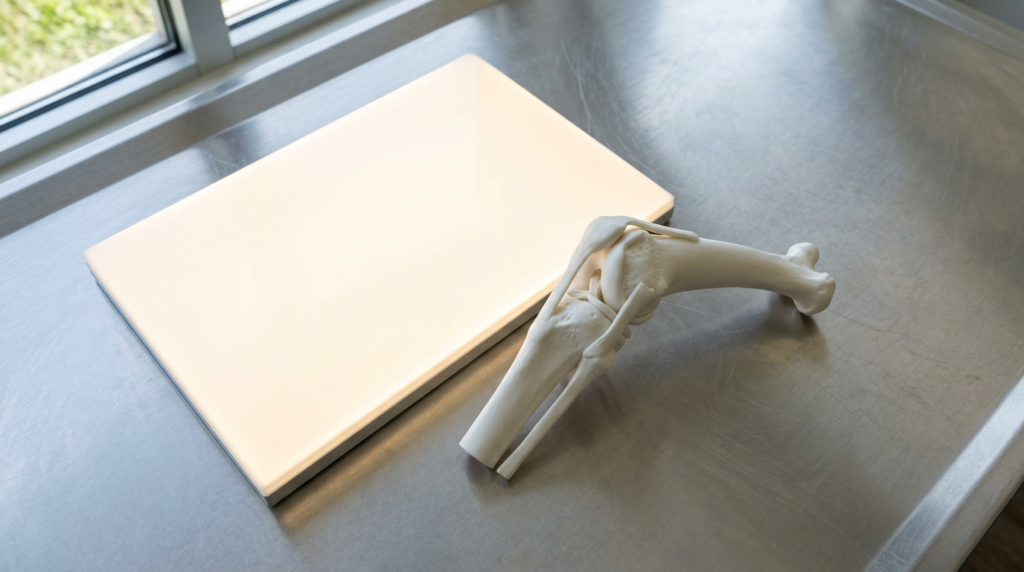
Dogs in the East Valley enjoy an active outdoor lifestyle that keeps them moving through wide backyards and neighborhood pathways. Local pet owners look forward to morning walks and outdoor play sessions before the intense Arizona desert sun heats up the pavement. This regular exercise is vital for a dog’s physical health and mental happiness. However, as dogs age, the wear and tear on their skeletal system can begin to limit their freedom of movement. Chronic joint issues can develop quietly over several years, slowly impacting your companion’s ability to participate in their favorite family activities.
Table of Contents
- Spotting the Silent Ache: Catching Joint Discomfort Before It Halts Your Dog
- Reading the Hidden Signals: Subtle Behavioral Clues of Canine Bone and Joint Wear
- Transforming Your Living Spaces: Practical Home Modifications for Stiff Paws
- Targeted Care and Senior Longevity: Clinical Treatments
- The East Valley Medical Benchmark: Securing Honest Care
- Navigating Regional Animal Wellness: Consultations
- Prioritizing Pain-Free Strides: Connecting with Our Team
Spotting the Silent Ache: Catching Joint Discomfort Before It Halts Your Dog
Recognizing canine arthritis requires careful observation because the condition does not always present with an obvious limp or loud whimpering. Dogs inherit a deep evolutionary instinct to mask their physical vulnerabilities and conceal discomfort to protect themselves from perceived threats. Because of this natural defense mechanism, a dog will endure significant joint pain before showing clear signs of distress. This means that by the time a pet owner notices a pronounced physical limp, the underlying joint degeneration is often already advanced.
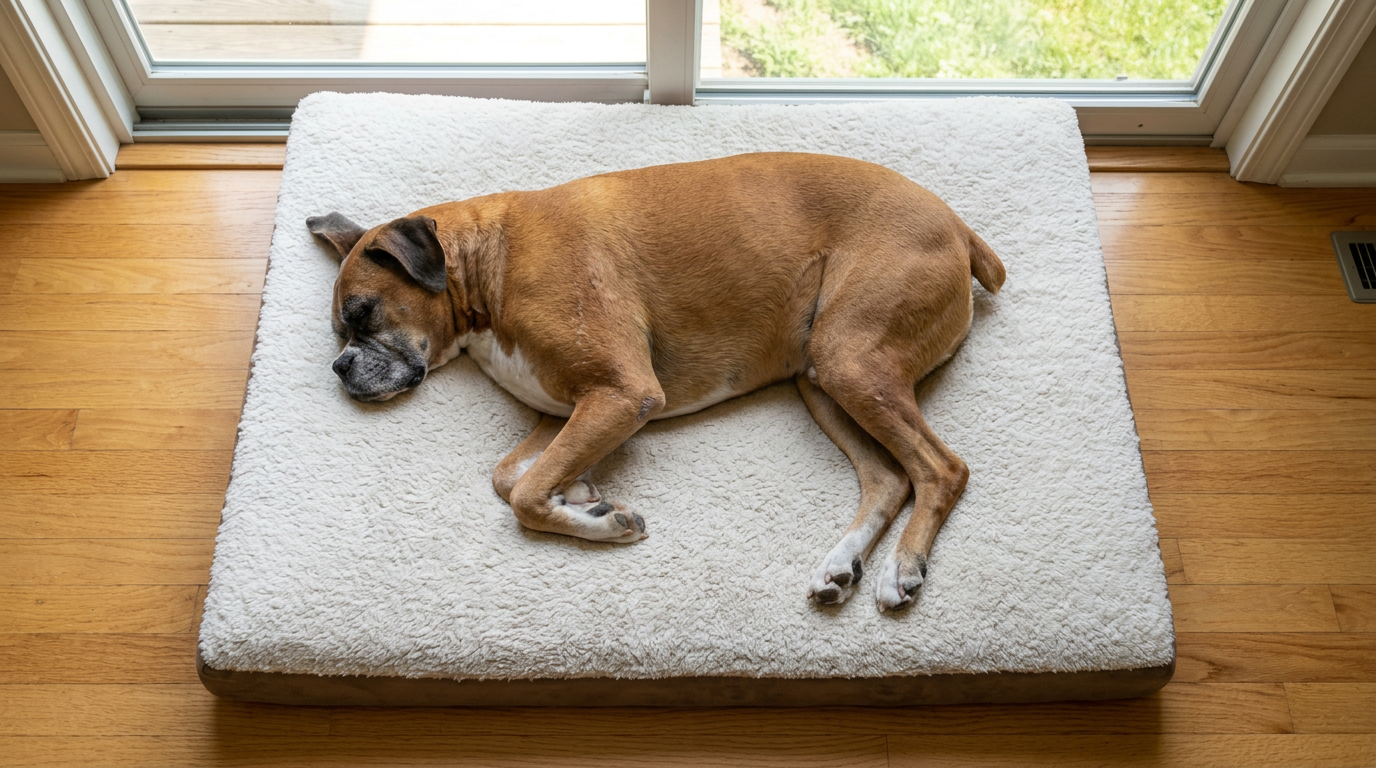
Catching cartilage wear early is essential to prevent permanent, irreversible structural damage within the joints. When osteoarthritis is left unmanaged, the protective cartilage surfaces continue to erode, leading to direct bone-on-bone friction, painful bone spurs, and chronic inflammation. This breakdown creates a cycle of pain that causes pets to move even less, leading to muscle loss and further joint weakness. Pet owners can break this painful cycle by combining proactive changes within the home with professional veterinary care, ensuring their dogs remain comfortable, active, and happy throughout their senior years.
Reading the Hidden Signals: Subtle Behavioral Clues of Canine Bone and Joint Wear
Many pet owners overlook the early and mid-stage physical indicators of canine osteoarthritis, mistakenly assuming that a slower pace is simply a normal consequence of old age. While physical changes are natural as animals grow older, a sudden or steady loss of mobility is tied to manageable joint pain rather than a simple loss of youthful energy. Recognizing the specific behavioral shifts that occur in a dog’s daily routine is the first step toward getting them the relief they need.
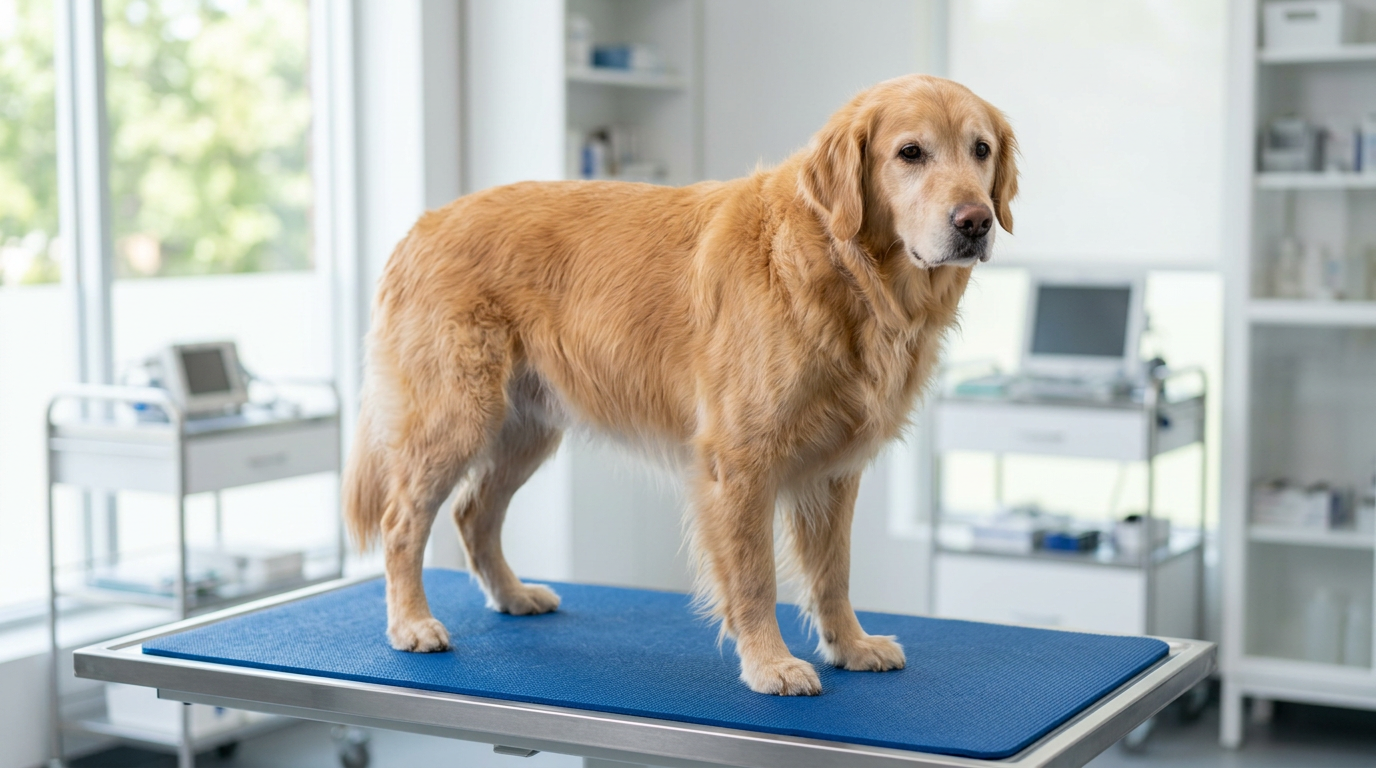
One of the most common early indicators of joint discomfort is hesitation before performing familiar tasks. A dog who used to jump onto the couch or scramble into the back of an SUV may suddenly stop and stare at the surface, waiting or pacing before attempting the leap. This hesitation indicates that the dog is anticipating the impact pain that occurs when pushing off or landing on sore joints. Similarly, you may notice a sudden reluctance to walk down flights of stairs, as descending puts a heavy load on the front shoulders and elbows, which are frequent sites for arthritis.
Physical stiffness when rising on cool mornings or after long naps is another clear sign of joint inflammation. Arthritic dogs often struggle to get their legs underneath them, pushing up slowly with their front limbs while their hindquarters appear weak or unsteady. Once they take a few steps and warm up their muscles, the stiffness may decrease, leading owners to believe the issue is minor. Other subtle physical changes include a bunny-hopping gait when running, where the dog moves both rear legs together to avoid putting full weight on a single hip joint. You may also notice your dog obsessively licking or chewing at specific leg joints, attempting to soothe the deep internal ache with grooming behavior.
Transforming Your Living Spaces: Practical Home Modifications for Stiff Paws
Modifying your living environment is a highly effective way to ease the daily physical strain on your dog’s aching joints. Arizona homes frequently feature polished tile, laminate, or hardwood flooring throughout the main living areas. While these surfaces keep houses cool during hot summer days, they pose a serious safety risk for a mobility-challenged pet. A dog with weakened joints lacks the muscle strength to grip smooth floors, leading to painful slips, muscle strains, and joint hyperextension that worsen their condition.
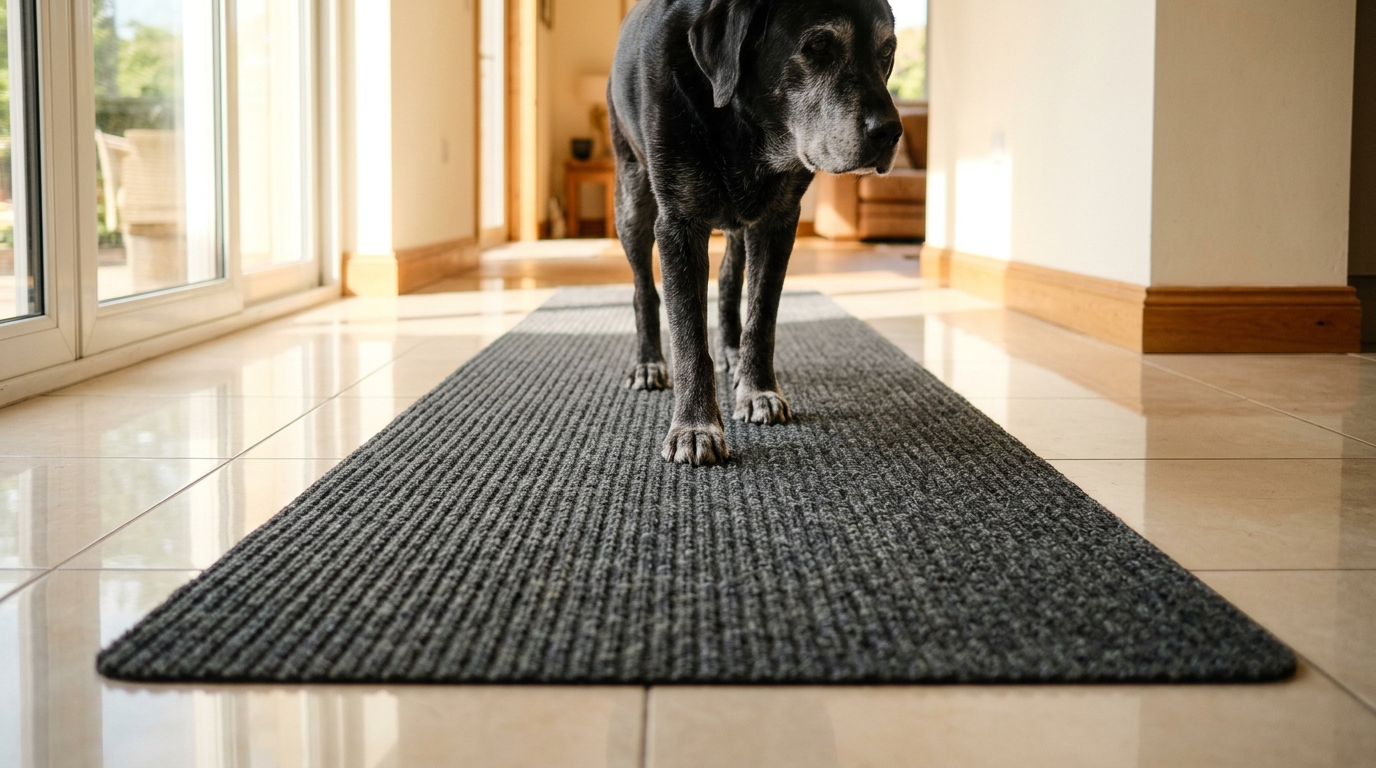
Creating a safe home environment involves removing impact stresses and providing reliable traction underfoot. Simple, low-stress changes can transform your house into a supportive space where your senior pet can move without fear of falling or causing further injury.
- Lay down high-traction floor runners to eliminate sliding on polished tile surfaces. Placing rubber-backed rugs along your dog’s frequent walking paths gives them the secure grip they need to walk confidently from room to room.
- Introduce gradual inclines or specialized ramps to remove jumping stresses from daily routines. Placing stable pet ramps next to high beds, couches, or vehicle entry points protects sore joints from the high-impact shock of landing on hard floors.
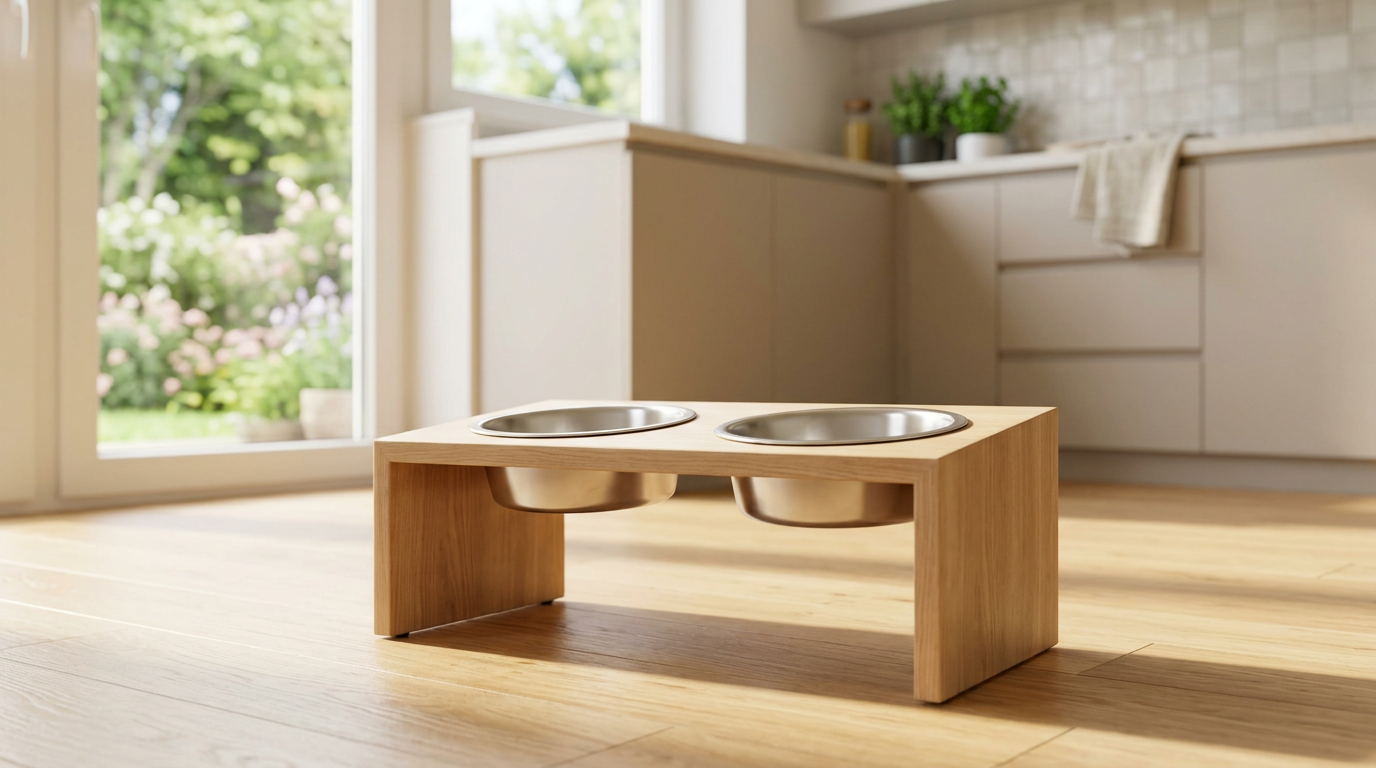
- Raise feeding stations to maintain neutral spinal alignment during meal times. Elevating your dog’s food and water bowls prevents them from having to hunch down, reducing unnatural tension on an arthritic neck and spine.
Investing in a supportive, high-quality orthopedic bed is another excellent home modification for an arthritic dog. Standard, thin pet cushions allow a dog’s heavy joints to press directly against the hard floor, causing painful pressure sores and stiffness. An authentic memory-foam orthopedic bed distributes your dog’s weight evenly, supporting their limbs and isolating sore joints from the cold floor. Placing these beds away from drafty doors or air conditioning vents ensures your pet stays warm and comfortable throughout the night, reducing morning stiffness significantly.
Targeted Care and Senior Longevity: The Clinical Treatments Shielding Local Canines
While at-home adjustments provide immediate physical relief, managing canine arthritis successfully requires professional medical support. Adobe Veterinary Clinic offers comprehensive services designed to accurately diagnose, manage, and treat joint degeneration in senior pets. Every animal requires an individualized treatment strategy, which begins with a detailed senior wellness examination. These regular exams allow our veterinary team to track skeletal changes, evaluate joint flexibility, and identify specific pain points before they cause severe mobility loss.
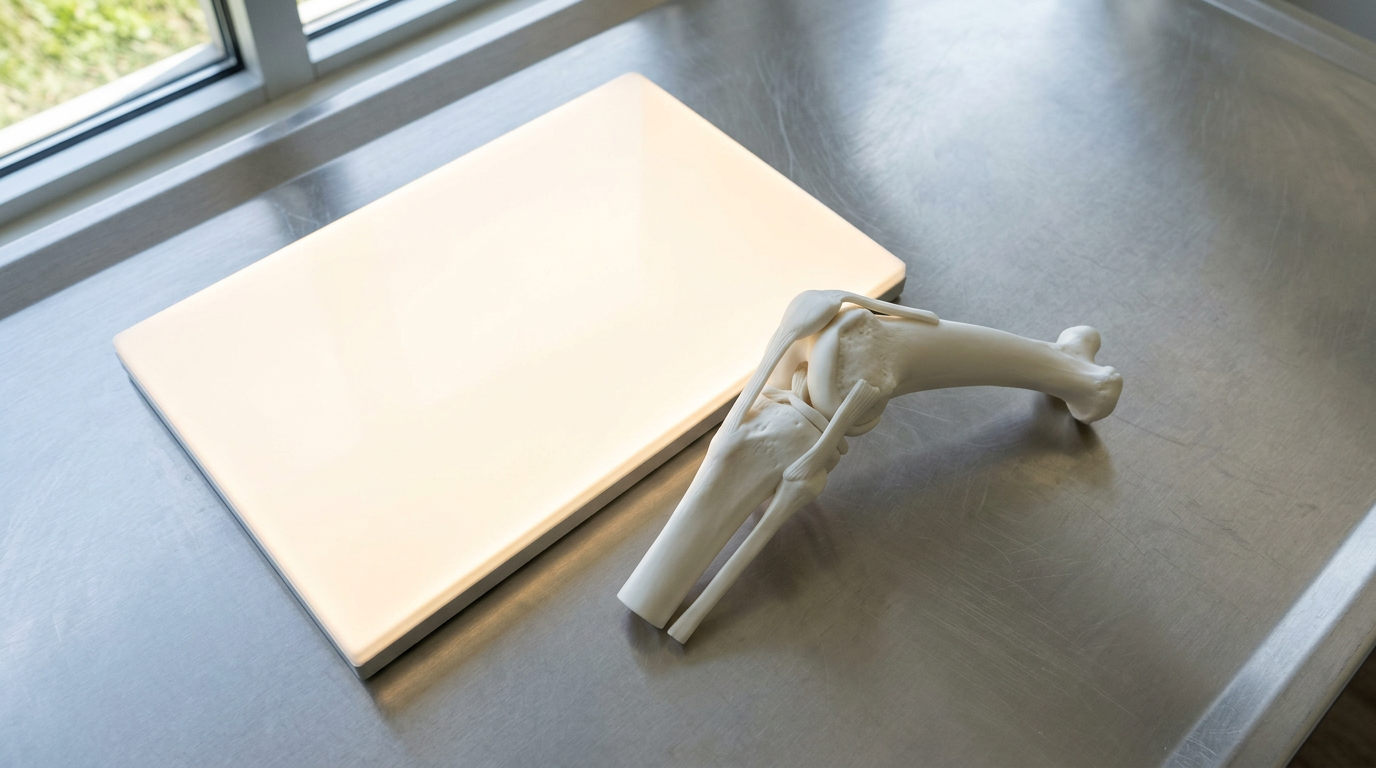
Precise diagnostic imaging is a vital piece of the evaluation process. Our clinic uses digital radiology to capture clear images of your dog’s internal skeletal structure. These detailed X-rays allow our practitioners to see exact areas of bone-on-bone friction, joint space narrowing, and fluid buildup. By pinpointing the exact location and severity of the arthritis, we can build a targeted medical plan that directly addresses your pet’s specific problem areas.
Our full spectrum of clinical solutions includes proactive joint supplement protocols, specialized pharmaceuticals, and advanced surgical options when necessary. We guide owners on using high-grade joint supplements containing glucosamine, chondroitin, and omega-three fatty acids to support existing cartilage health. When supplements are not enough, we prescribe targeted non-steroidal anti-inflammatory drugs and advanced pain-management prescriptions to control inflammation and restore daily comfort. If a joint experiences total structural failure, our veterinary surgeons can perform advanced procedures to repair tissues and restore functional movement.
Comprehensive medical care at our facility pairs with our on-site grooming services. Grooming an arthritic dog requires extra patience, specialized lifting techniques, and a deep understanding of senior anatomy. Our experienced handlers manage senior pets with care, using non-slip surfaces and supporting their weight to avoid joint strain during baths and trims. For pets who experience extreme anxiety or physical discomfort during grooming, our veterinarians can provide safe sedation options to ensure the entire process remains completely pain-free.
The East Valley Medical Benchmark: Securing Honest Care on Main Street
Adobe Veterinary Clinic has been a trusted neighborhood fixture on Main Street, serving families across the valley since 1975. Dr. Greg Heitman purchased the clinic in 1988, establishing a family-first philosophy that continues to guide our practice today. Years later, inspired by their father’s dedication to animal wellness, his sons, Dr. Phil Heitman and Dr. Andrew Heitman, graduated from veterinary school and returned home to join the practice. Alongside Dr. Jeff Brown and Dr. Ryan Buzard, our team remains committed to delivering exceptional care with a personal touch.
Our team focuses entirely on the long-term comfort, quality of life, and longevity of your companion. Because we operate as an independent, family-owned practice, we answer directly to our clients and their pets rather than corporate shareholders. This independence allows us to build custom, practical care strategies tailored to your specific budget and values. We focus purely on what your senior dog needs to live comfortably, refusing to push unnecessary medical up-sells, expensive diagnostic packages, or rigid corporate subscription plans.
We understand the real-world conditions that local pet owners face every day. Our long-standing presence on Main Street means we have cared for generations of East Valley pets, building deep relationships based on trust, honesty, and fair pricing. When you bring your senior dog to our facility, you are choosing a team of dedicated professionals who treat your animal like a member of their own family.
Navigating Regional Animal Wellness: Pressing Consultations with Mesa Caregivers
Prioritizing Pain-Free Strides: Connecting with Our Local Healing Team
Your dog’s long-term comfort and daily mobility depend entirely on proactive human advocacy. Combining smart home modifications with professional veterinary oversight can completely change your senior pet’s aging experience, transforming their golden years into an active, comfortable period of life. You do not have to watch your favorite companion struggle with slick floors, hesitate at the stairs, or find it difficult to rise after a nap. Small adjustments in your daily routine can remove unnecessary physical stress and restore your pet’s confidence.
The veterinary team at Adobe Veterinary Clinic is ready to help you navigate every stage of your dog’s senior care. We possess the diagnostic tools, medical solutions, and compassionate handling expertise needed to manage joint degeneration successfully. Reach out to our Main Street office to secure an honest, comprehensive mobility assessment for your dog. Pick up your phone and call or text our team at 480-832-2240 right away, or visit our facility on Main Street to schedule a personalized wellness consultation that returns freedom of movement and pain-free strides to your companion.