

The Invisible Threat in the Desert Dust: An Essential Warning for East Valley Dog Owners
Mesa, Arizona is famous for beautiful desert vistas, warm sunshine, and vibrant outdoor recreation. Local dog owners love nothing more than exploring parks or letting their pets run across the yard. However, the very soil that defines our East Valley landscape hides a quiet, persistent danger that threatens canine health. Valley Fever, known medically as coccidioidomycosis, is a serious regional health concern that catches many pet parents off guard. Because its early stages frequently masquerade as a simple cold, a passing respiratory bug, or minor lethargy, the disease often goes unnoticed until it has caused significant internal damage.
Table of Contents
- The Invisible Threat in the Desert Dust: An Essential Warning for East Valley Dog Owners
- From Soil to Scourge: The Biological Route of Fungal Inhalation
- Decoding the Warning Signs: Distinguishing Valley Fever From Everyday Fatigue
- The Danger of Dissemination: When the Fungus Invades Bones and Joints
- Advanced Diagnostic Protocols and Tailored Management at Our Main Street Facility
- The Straight-Shooter Mesa Pet Health FAQ
- Guard Your Companion: Partner With Mesa’s Trusted Veterinary Team
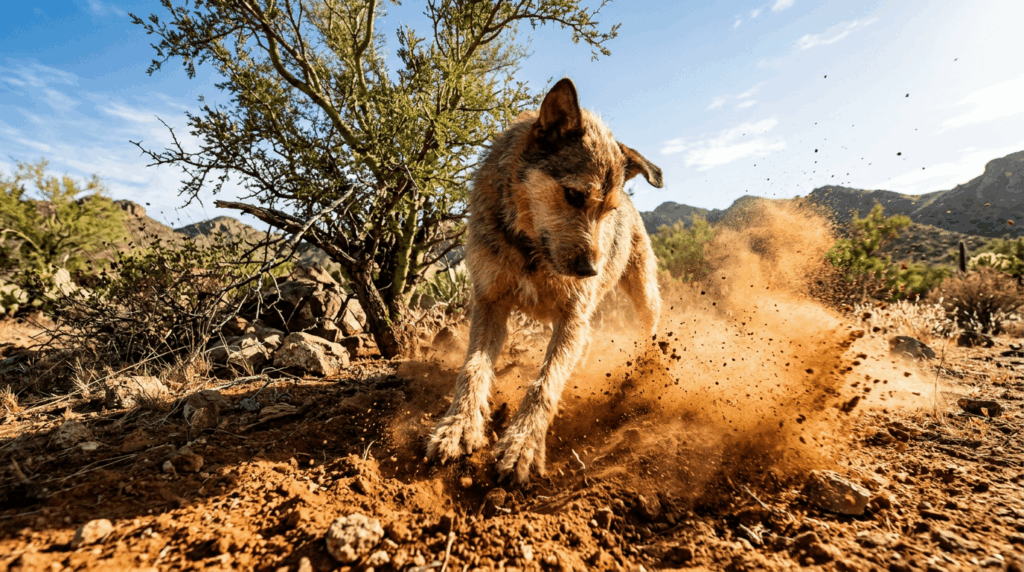
The risk of exposure is a daily reality for any dog living in the desert. Our environment experiences extreme weather patterns, including dramatic dust storms, powerful summer monsoon winds, and long stretches of dry heat. These natural forces disturb the upper layers of the soil, lifting microscopic fungal elements into the breathing zone of our pets.
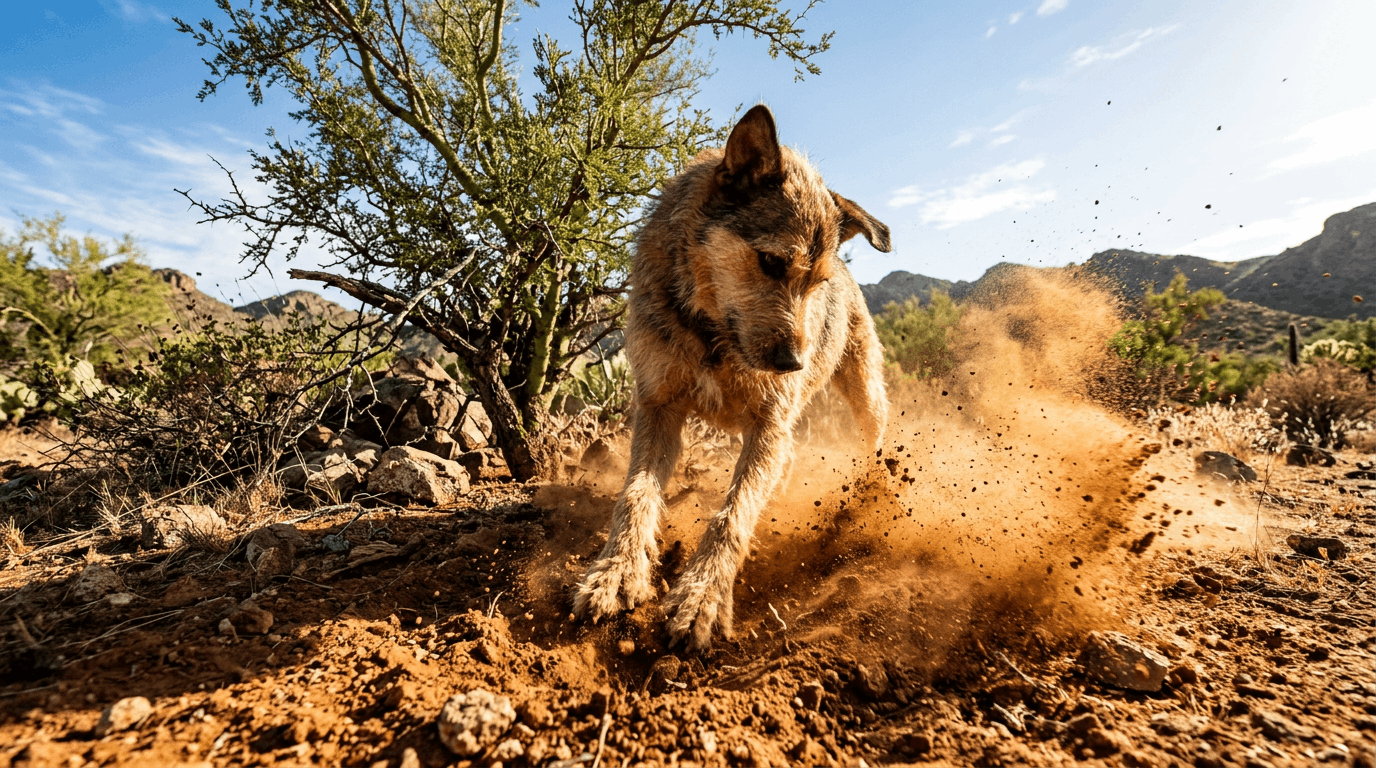
Furthermore, a dog’s natural curiosity makes them primary targets for infection. Canines explore the world through their noses, frequently sniffing the ground, digging under fences, or kicking up dirt piles while chasing wildlife. Every time a dog digs a hole to find cool dirt under a mesquite tree or sniffs along a dusty path, they risk inhaling these dangerous respiratory hazards. Recognizing these subtle warning signs early is essential to catch the problem before the infection spreads throughout the entire body.
From Soil to Scourge: The Biological Route of Fungal Inhalation
The journey of the Coccidioides fungus from an environmental element to a serious bodily infection is a specialized biological process. In the dry desert dirt, the fungus grows as a mold that develops into fragile, chain-like structures. When the soil is disturbed by construction, landscaping, or high winds, these chains break apart into microscopic, airborne particles called fungal spores. These dry spores are light enough to float on a gentle breeze, making them easy for an outdoor animal to inhale through the nose or mouth.

Once inside the dog’s respiratory tract, the spores travel down the windpipe and find a home deep within the warm, moist environment of the lung tissue. The shift in temperature triggers a rapid biological change. Instead of remaining dormant particles, the spores expand significantly, morphing into thick-walled, spherical structures known as spherules. As these spherules grow, they replicate internally, filling up with hundreds of smaller components called endospores.
Eventually, the internal pressure causes the spherule wall to rupture, spilling these new endospores directly into the surrounding lung tissue. Each released endospore then grows into a new spherule, creating a repeating cycle of local destruction. The canine immune system detects this cellular invasion immediately and launches an aggressive counterattack. White blood cells flood the lungs to fight the expanding fungus, creating intense local inflammation and tissue damage. Because this issue stems from an aggressive fungal organism rather than a simple bacterial infection, standard over-the-counter cough remedies or lifestyle changes are completely useless.
Decoding the Warning Signs: Distinguishing Valley Fever From Everyday Fatigue
Catching a fungal infection early requires owners to separate subtle behavioral shifts from regular everyday fatigue. Because dogs show variable signs of illness, families often mistake the initial indicators of Valley Fever for minor respiratory bugs or the natural slowing down of an aging pet. This confusion can delay necessary care, giving the fungus more time to establish itself within the body. Recognizing the unique profile of a primary lung infection is critical for initiating early diagnostic screening.
Owners should watch their companions closely during daily routines and look for specific physical and behavioral shifts. The following symptoms demand an immediate clinical evaluation:
- A persistent, harsh, dry cough that does not improve with rest or environmental adjustments, often sounding like a loud, honking goose or a bone stuck in the throat.
- A chronic, low-grade fever that causes the animal’s body, especially the ears, groin, and underbelly, to feel unusually warm to the touch.
- Sudden, unexplained weight loss and a complete loss of appetite for normal meals or favorite treats, leading to visible muscle wasting along the spine and hips.
- Severe lethargy, physical weakness, and a total lack of interest in daily walks, backyard play, or normal family interactions.
The Danger of Dissemination: When the Fungus Invades Bones and Joints
When the canine immune system fails to contain the fungal spores within the lung tissue, the infection enters a dangerous phase known as disseminated Valley Fever. This systemic escalation means the fungal endospores have breached the localized barriers of the respiratory tract, entering the bloodstream and the lymphatic channels. Once inside these internal transit systems, the fungus travels freely throughout the body, setting up new areas of infection in other organ systems or tissue types. This transformation changes a localized respiratory issue into a complex, multi-system illness.

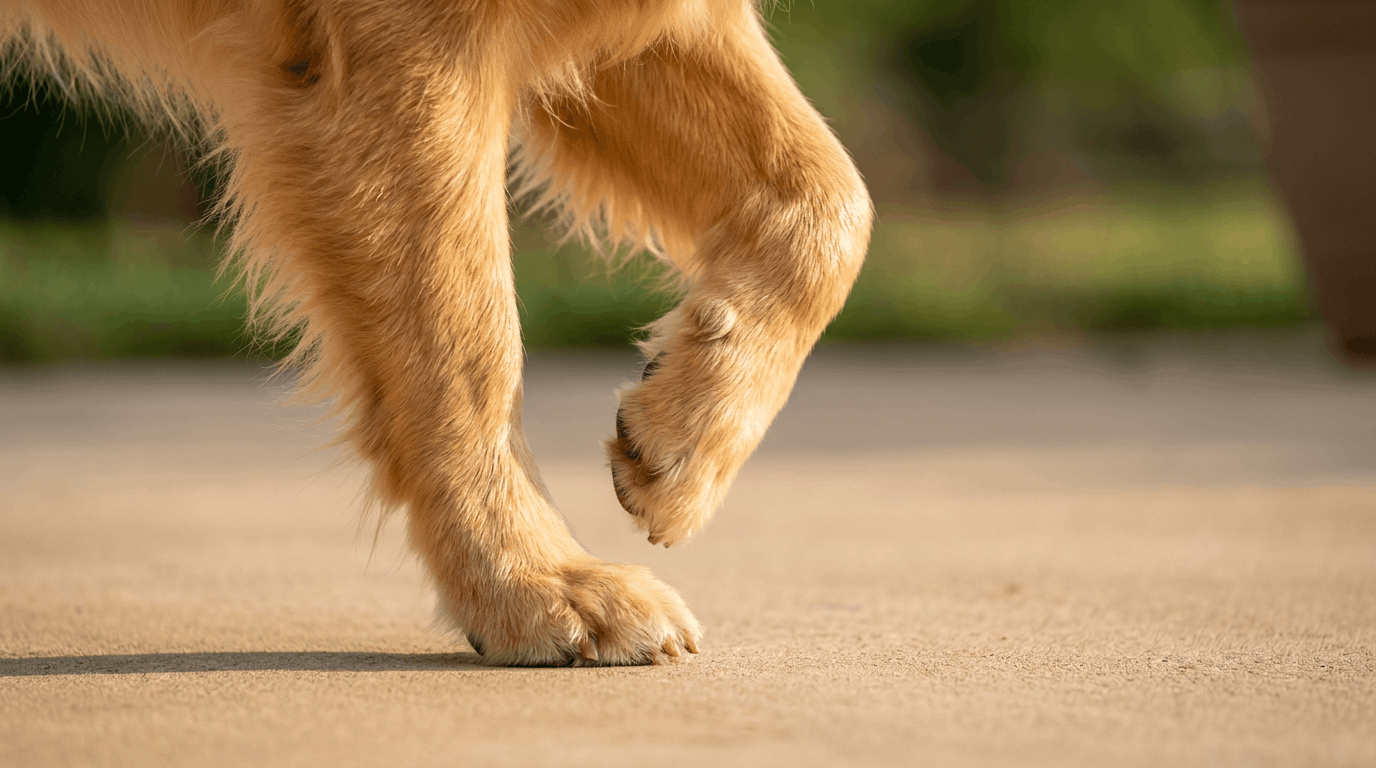
The skeletal system serves as the most common destination for the traveling fungus. When the spores settle inside the long bones of the limbs, they initiate a destructive inflammatory process that eats away at healthy bone structure. This bone destruction causes sudden, severe lameness and localized swelling that makes walking agonizing for the dog. The joint capsules themselves can swell with fluid, making the limbs painful to the touch and causing the dog to lift the affected leg completely off the ground.
Beyond the bones and joints, disseminated Valley Fever can manifest in other obvious ways across the body. The skin form of the disease causes small, raised bumps that progress into large, non-healing sores or weeping ulcers that continuously ooze fluid. In rare, severe scenarios, the fungus crosses the protective blood-brain barrier into the central nervous system, resulting in unsteadiness, dramatic behavioral shifts, head tilting, or sudden seizure activity. Delaying professional care during the early phases allows this destructive physical degradation to take hold, making treatment much longer and more complex.
Advanced Diagnostic Protocols and Tailored Management at Our Main Street Facility
Resolving complex desert illnesses and restoring a dog’s health requires a diagnostic-driven medical approach. Adobe Veterinary Clinic, situated on Main Street in Mesa, functions as a modern, full-service animal hospital staffed by an experienced medical team. The clinic’s philosophy centers on using advanced technology and tailored care protocols to accurately identify regional health hazards like Valley Fever. By avoiding generalized guessing games, the medical staff delivers definitive answers and structured recovery plans designed to support each pet through long-term healing.

The hospital uses five core clinical services to identify the infection, protect vital structures, and manage recovery safely:
- Comprehensive Wellness Exams to carefully map clinical symptoms and evaluate baseline physical condition.
- Advanced Diagnostic Bloodwork and specialized serology titers to confirm fungal exposure and track antibody counts precisely.
- High-Resolution Digital Imaging to visualize lung nodules, monitor respiratory changes, and rule out structural bone damage.
- Custom Antifungal Management Plans and supportive therapies tailored to the dog’s specific metabolic profile.
- Routine Preventive Care and wellness monitoring to maintain overall immune function during long-term recovery.
By combining these advanced diagnostic tools with personalized attention, the clinic helps pets successfully navigate the extended recovery process. Most dogs respond well to a structured care plan, showing renewed energy, a stronger appetite, and a reduction in coughing within the first few weeks of targeted therapy.
The Straight-Shooter Mesa Pet Health FAQ
Guard Your Companion: Partner With Mesa’s Trusted Veterinary Team
Living alongside the unique landscape of the Arizona desert requires a commitment to continuous observation and proactive pet care. The soil across the East Valley keeps environmental fungal risks permanently high, meaning vigilance is an absolute necessity to protect our four-legged family members from hidden respiratory hazards. Allowing a harsh cough, unexplained weight loss, or persistent lethargy to go unmanaged simply gives a dangerous fungal infection the opportunity to escape the lungs, spread through the bloodstream, and trigger permanent joint wear or systemic dissemination.
Families do not have to handle these complex desert health concerns alone. Ditch the “wait and see” mindset, stop monitoring worsening symptoms at home, and put a dedicated, compassionate local medical team to work for your companion. Visit adobeclinic.com or call our Main Street facility directly to schedule a comprehensive evaluation and secure the lasting health and comfort your dog deserves today.