Water Additives vs. Dental Chews: What Actually Works for Dog Tartar?
The Battle for the Food Bowl: Deconstructing the Myth of Effortless At-Home Teeth Cleaning
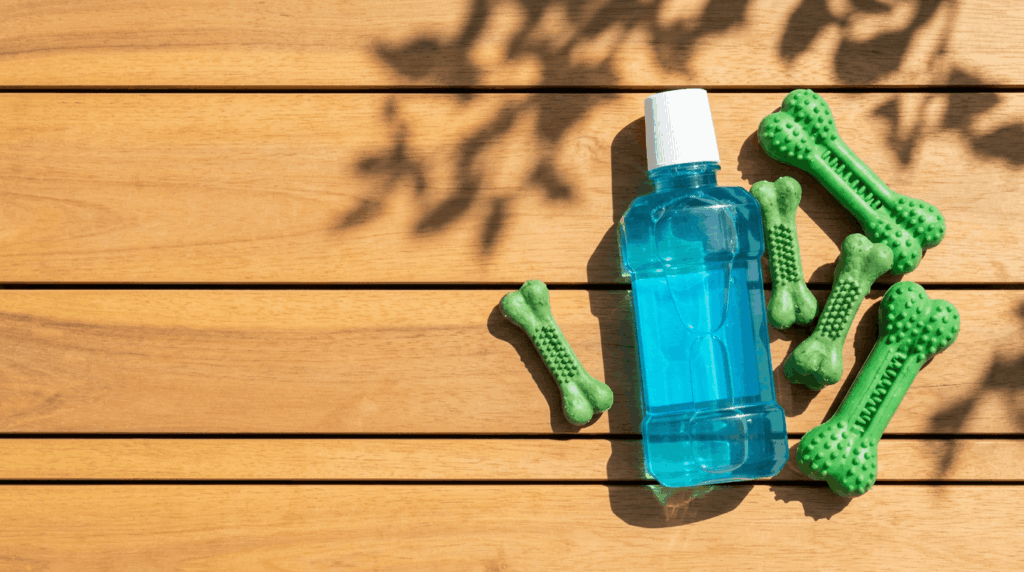
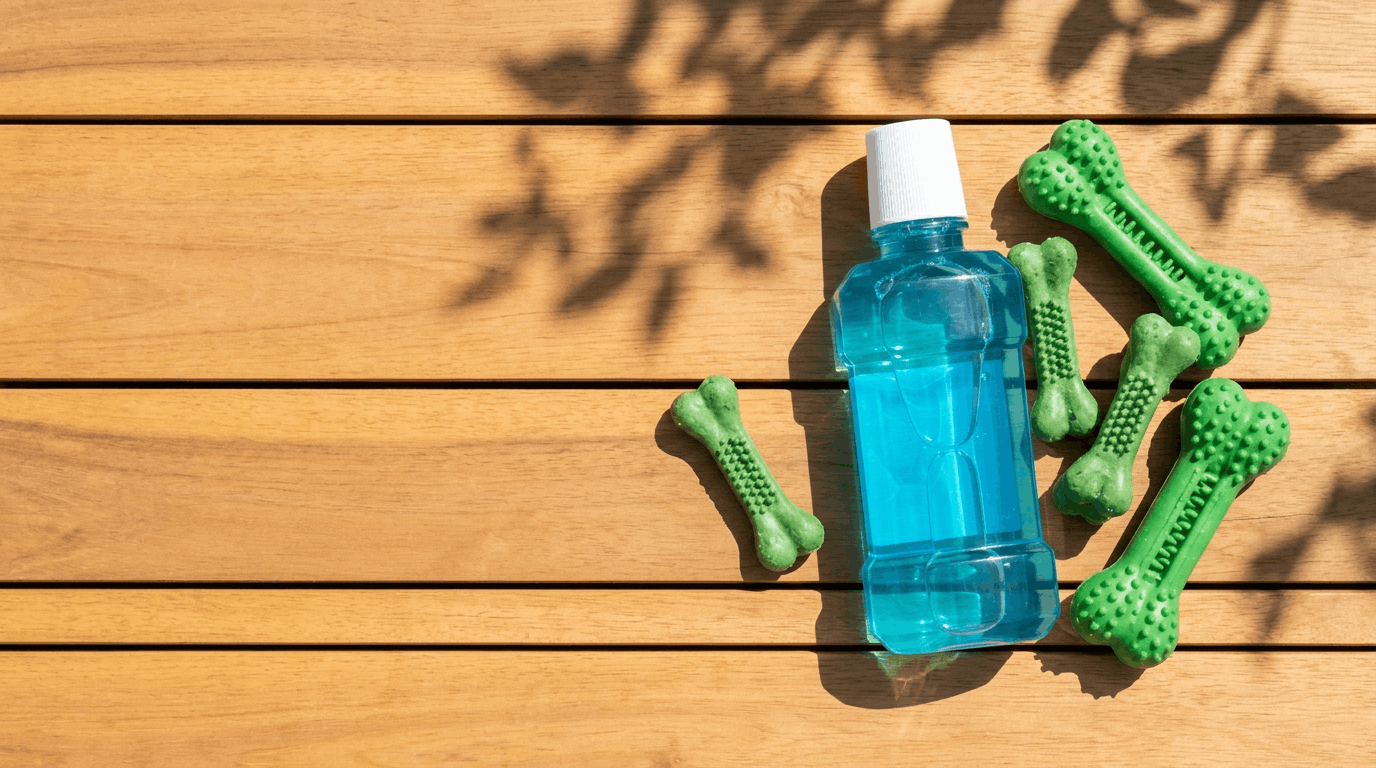
Maintaining a dog’s oral health is a common daily struggle for pet owners across the East Valley. The classic morning greeting from a canine companion is often accompanied by an unmistakable, unpleasant wave of bad breath. When faced with this issue, walking down the pet care aisles of a local store reveals an overwhelming array of consumer products. Brightly colored boxes of dental chews and clear bottles of water additives promise an effortless solution to oral health, claiming to deliver a sparkling white smile with zero brushing required. These retail options are highly appealing because manually brushing a dog’s teeth can feel like an athletic, stressful chore for both the owner and the animal.
The primary commercial comparison between chew treats and liquid water additives has created an essential dilemma for well-meaning pet parents. Many families rely entirely on these over-the-counter products, trusting that a daily treat or a capful of solution in the water bowl is enough to safeguard their pet’s health. Unfortunately, this reliance often creates a dangerous cosmetic illusion. While a product might temporarily freshen a dog’s breath or slightly whiter the visible tips of their crowns, surface improvements frequently mask deep, painful
dental disease happening beneath the surface. True oral wellness cannot be achieved through effortless retail alternatives. This guide serves as an objective blueprint to help owners evaluate how these products actually function and understand when professional veterinary intervention becomes a time-sensitive requirement.
Mechanical Scrubbing vs. Chemical Shielding: How Dental Chews and Liquid Solutions Attempt to Fight Plaque
Evaluating at-home dental remedies requires a basic understanding of the biological difference between soft plaque and hardened tartar. Plaque is a sticky, nearly invisible film composed of salivary proteins, food debris, and live bacteria that blankets the teeth within hours after a meal. At this early stage, the biofilm is soft and structurally vulnerable, which is where retail products focus their defensive mechanisms. Dental chews and liquid additives attempt to interrupt this bacterial accumulation using completely different pathways, relying either on mechanical friction or chemical alterations to protect the enamel.
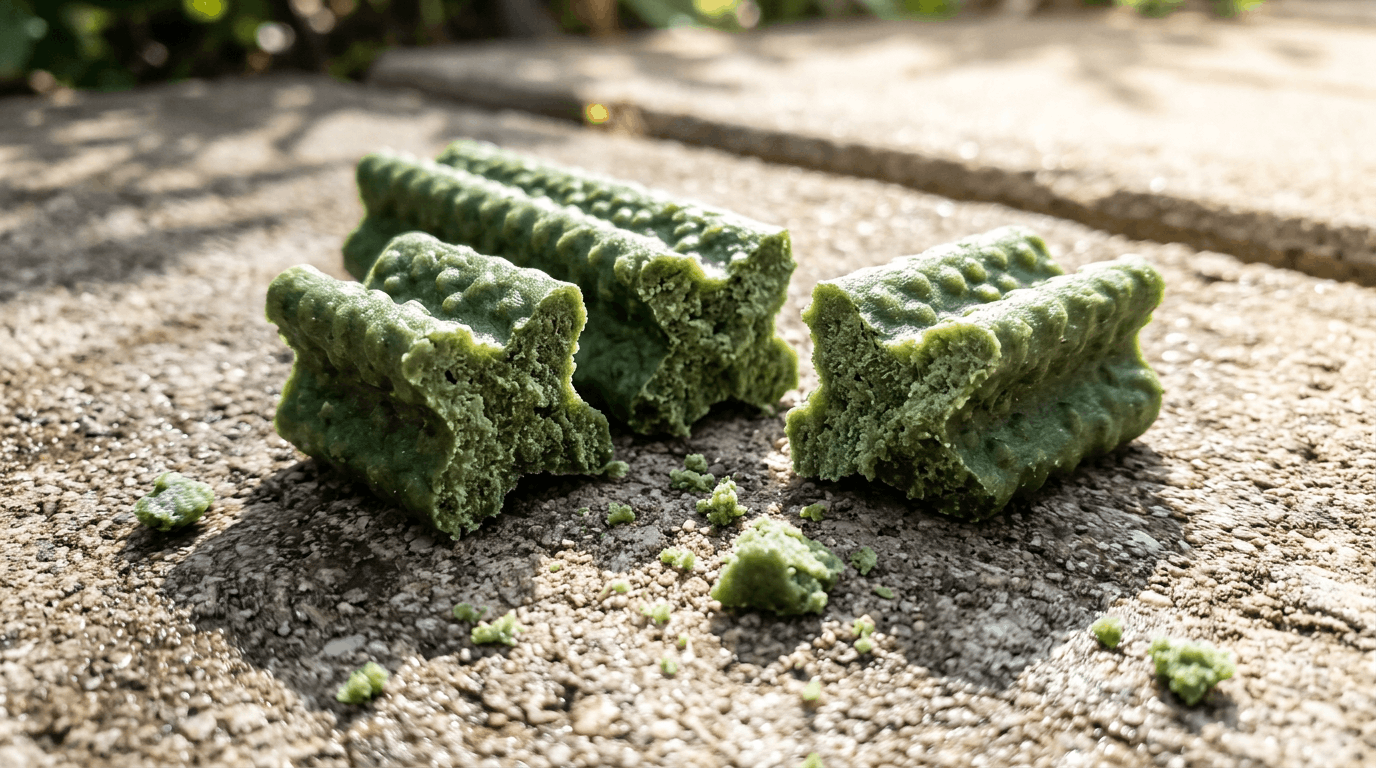
The design of a high-quality dental chew relies on the physical abrasion model of cleaning. These treats are manufactured with specific, highly textured ridges, grooved patterns, or dense, rubbery matrixes that resist immediate breakdown. As a dog bites down, the tooth sinks into the treat, allowing the firm edges to physically scrape against the enamel, slicing through soft plaque deposits before they can accumulate. This mechanical scrubbing mimics the action of a traditional toothbrush, targeting the broad chewing surfaces of the larger premolars and molars where food residue naturally gathers.
Liquid water additives approach the problem from a chemical shielding perspective. Rather than scraping the teeth, these solutions are mixed directly into the dog’s daily drinking supply. They typically contain active components like zinc gluconate, chlorhexidine, or specialized enzymes designed to alter the chemistry of the animal’s saliva. The primary objective is to create an inhospitable environment for oral pathogens, breaking down bacterial cell walls and preventing soft plaque films from bonding to the smooth outer enamel.
While both methods possess clear theoretical benefits, their real-world applications are limited by several operational hurdles:
- Individual chewing styles often compromise dental treats, as aggressive chewers frequently bypass the mechanical design by fracturing and swallowing the chew in large chunks within seconds.
- Anatomical limitations mean standard dental chews rarely make contact with the tiny incisors at the front of the mouth or the deep upper molars where heavy buildup hides.
- Environmental dilution impacts water additives significantly, as multi-pet households, sunlight exposure, and rapid evaporation cause liquid solutions to lose their clinical concentration inside a shared bowl.
- Selectivity gaps exist because chemical solutions might successfully neutralize odor-causing volatile sulfur compounds without actually disrupting the physical biofilm attached to the gumline.
The Mineralized Wall: Why Hardened Calculus Defies Retail Pet Remedies
The fundamental limitation of over-the-counter dental products lies in a rapid chemical transformation that occurs naturally inside a dog’s mouth. If soft bacterial plaque is not completely removed within forty-eight hours, it undergoes a process known as mineralization. Canine saliva naturally contains high concentrations of essential minerals, specifically calcium and phosphorus, designed to protect dental structures. However, when these minerals mix continuously with an unmanaged bacterial matrix, they bind together, transforming a soft, sticky film into a rock-hard, cement-like substance called dental calculus, or tartar.
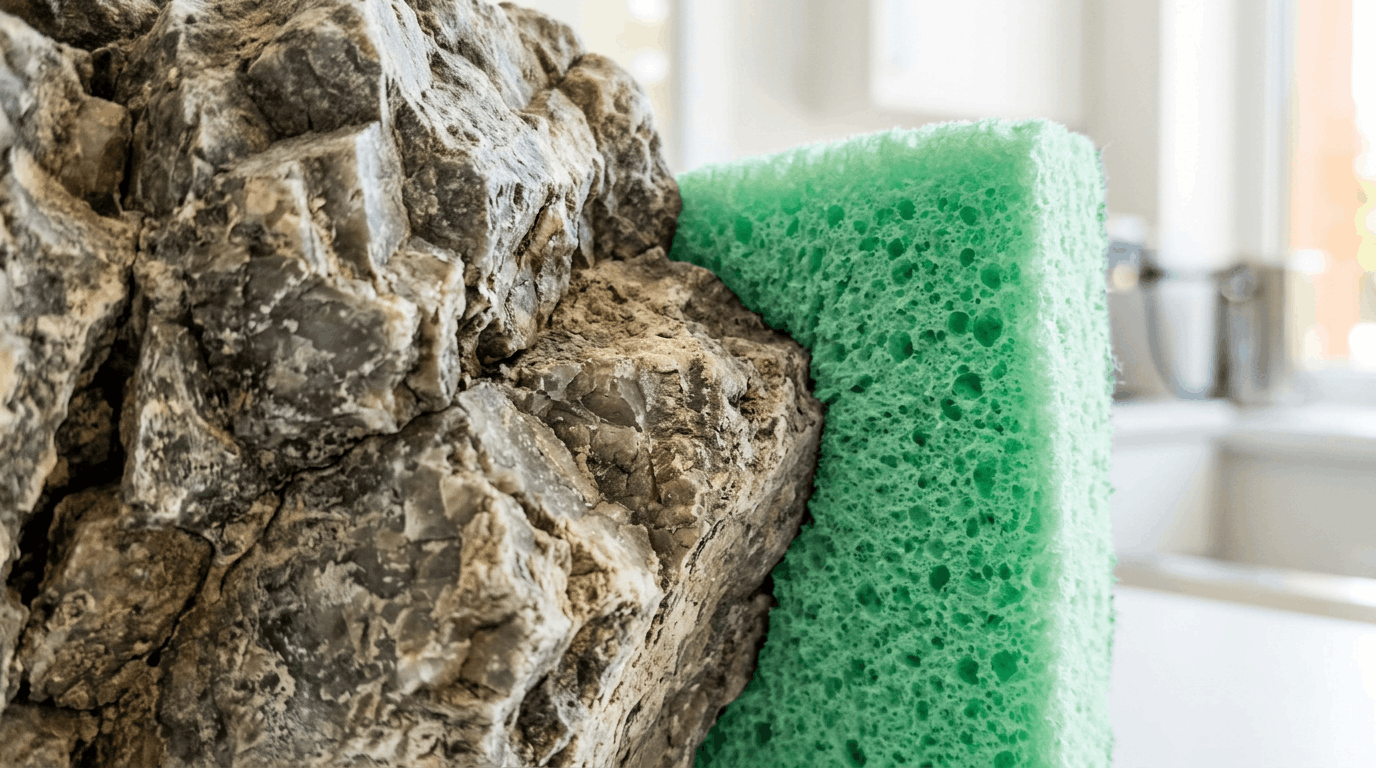
Once calculus forms a mineralized bond with the tooth enamel, the playground rules of oral hygiene change entirely. Tartar acts as a highly durable, calcified wall that is completely impervious to the mechanical friction of a dental chew or the chemical actions of a water additive. At this stage, continuing to rely on store-bought treats to remove the buildup is like trying to clear a concrete wall with a soft kitchen sponge. The hard outer shell of the tartar protects the underlying active bacterial colonies, allowing them to expand and thrive against the tooth structure without disruption.
This structural reality means that while additives and treats can be useful tools for slowing down the initial formation of soft plaque, they are entirely ineffective at reversing existing tartar buildup. When a pet owner notices thick, brown, or yellow mineralized rings accumulating along their dog’s upper gumline, the window for at-home prevention has closed. No amount of chewing or liquid solution can dissolve that calcified matrix. Attempting to scratch or chip the tartar away at home using retail scaling tools is also highly dangerous, as it creates microscopic scratches on the enamel that act as perfect nesting sites for future, more aggressive bacterial colonies.
The Hidden Perils of Periodontal Disease: What At-Home Treats Fail to Reach Beneath the Gumline
The true measure of a dog’s oral health cannot be determined by the visible white surfaces of their teeth. The most destructive aspect of canine oral illness occurs entirely out of sight, deep beneath the delicate tissue of the gumline. As hardened tartar continues to accumulate along the neck of the tooth, it expands downward, forcing its way under the free gingival margin. This physical intrusion breaks the vital biological seal between the tooth root and the surrounding gums, creating an ideal, oxygen-deprived environment where destructive anaerobic bacteria can multiply unchecked.
This subsurface invasion triggers a progressive condition known as periodontal disease. As the anaerobic bacteria expand inside these hidden pockets, the dog’s immune system sends white blood cells to combat the infection, leading to chronic localized inflammation. This continuous inflammatory response degrades the delicate periodontal ligaments and the alveolar bone structures that physically anchor the tooth roots into the jawbone. Because at-home chews and water additives only interact with the visible crown of the tooth, they cannot reach these deep periodontal pockets, leaving the underlying destruction to progress silently.
Ignoring this subsurface degradation results in serious, multi-systemic consequences for an animal’s body:
- Chronic localized pain alters a dog’s daily behavior, frequently manifesting as subtle grumpiness, hesitating before eating hard food, or pulling away from head scratches, signs that owners often mistake for simple aging.
- Advanced root decay leads to painful tooth root abscesses, which can erode straight through the maxillary bone, causing sudden facial swelling beneath the eye or chronic, unilateral nasal discharge.
- The continuous breakdown of oral tissue allows pathogenic bacteria to enter the bloodstream directly, where they travel to vital filter organs, placing severe chronic stress on the heart valves, kidneys, and liver.
Comprehensive Dental Scaling and Advanced Oral Assessment at Our Main Street Facility
Resolving chronic periodontal illness and protecting an animal from systemic organ strain requires a professional, clinical intervention. Adobe Veterinary Clinic, located on East Main Street in Mesa, provides an advanced, technology-focused facility dedicated to comprehensive canine oral health. The experienced medical team, led by Dr. Hadi, rejects superficial cosmetic treatments, focusing instead on utilizing modern
veterinary diagnostics to evaluate the entire mouth and eliminate hidden sources of pain. By treating dental health as a vital component of primary preventative medicine, the clinic helps local pets enjoy more comfortable lives.
A proper veterinary dental procedure requires a structured, multi-step protocol that cannot be duplicated by at-home remedies or awake grooming scrapes. The clinical staff ensures every patient moves through a safe, thorough process:
- Comprehensive Wellness Exams: Before any procedure, doctors perform full physical checks and baseline blood screenings to evaluate kidney and liver function, ensuring the pet can safely process medications.
- Safe, Regulated Anesthesia: Reaching beneath the gumline and taking digital x-rays requires absolute immobility, which is achieved through customized anesthesia protocols and continuous electronic vitals monitoring of heart rate, blood pressure, and oxygen levels.
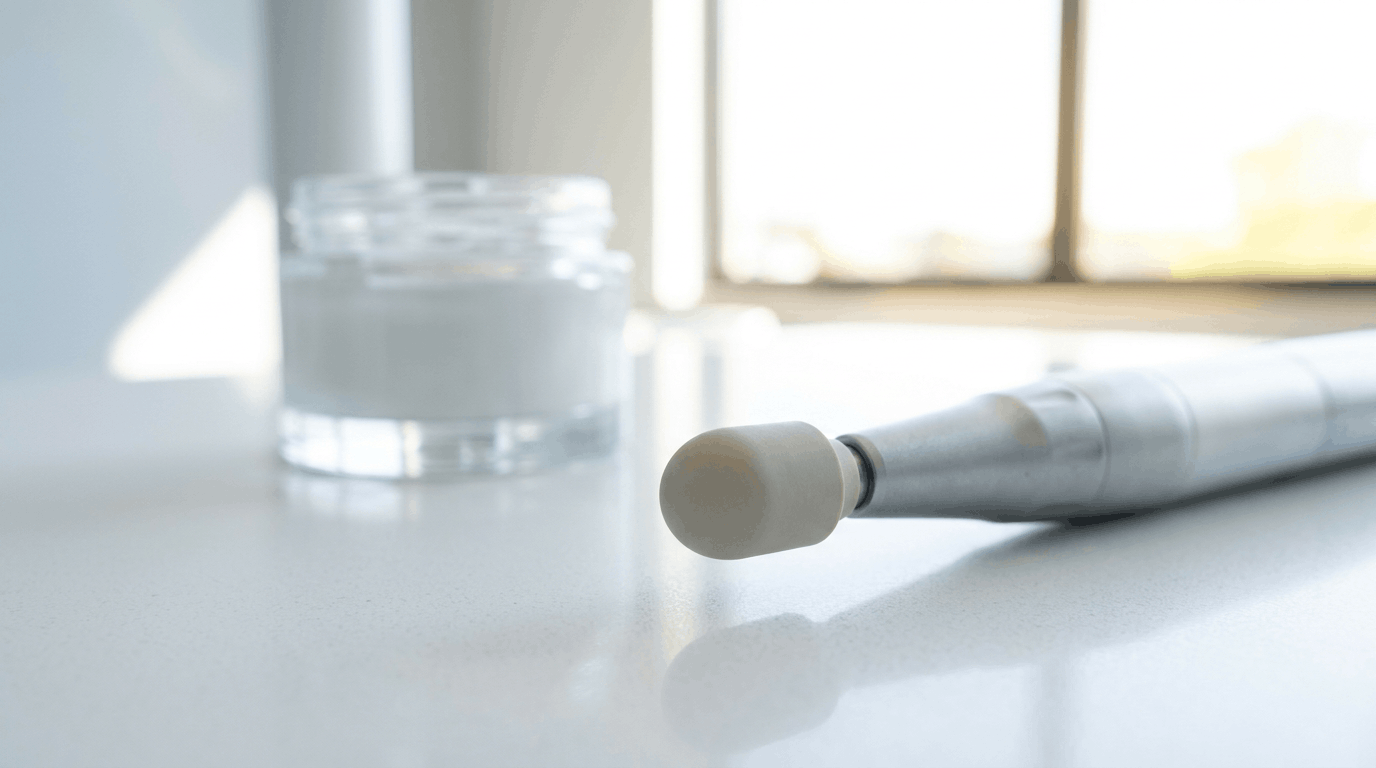
- Advanced Ultrasonic Scaling: Technicians use specialized vibrating tools to safely shatter hardened calculus from the visible crown and, crucially, from deep within the periodontal pockets beneath the gumline.
- Detailed Enamel Polishing: Following scaling, the teeth are polished using a specialized prophy paste to smooth out microscopic surface scratches, preventing new bacterial biofilms from easily adhering to the smooth enamel.
- Surgical Care and Precise Extractions: If high-resolution imaging reveals advanced bone loss or a fractured root, the veterinary team performs precise surgical extractions to remove non-viable, painful teeth and prevent the infection from spreading through the jawbone.
Through this detailed approach, the medical team addresses the root causes of oral discomfort, restoring a clean, healthy mouth and preventing secondary systemic issues.
The Straight-Shooter Mesa Veterinary Dentistry FAQ
Q1: What criteria should a Mesa pet owner look for when choosing a veterinary hospital for their dog’s oral health procedures?
Selecting the right provider for advanced pet care requires evaluating a clinic’s diagnostic capabilities, anesthesia safety standards, and medical philosophy. A high-quality facility will always require comprehensive pre-anesthetic blood work, use continuous electronic vitals monitoring, and prioritize a whole-body wellness approach that looks beyond simple cosmetic changes.
Q2: Why do structural oral cleanings at the Main Street location require sedation rather than an awake grooming scrape?
Cleaning a dog’s teeth while they are awake is purely cosmetic and can be highly dangerous. An awake animal will not permit a practitioner to scrape beneath the gumline where the most destructive bacteria live, and the sudden movements risk fracturing the teeth or cutting the delicate oral tissues with sharp instruments.
Q3: How does a routine wellness checkup at Adobe Veterinary Clinic identify dental disease before it causes root damage?
Annual examinations allow veterinarians to perform full visual checks of the oral cavity, checking for early warning signs like pocket formation, localized gingivitis, and bad breath. Catching these subtle indicators allows the team to recommend professional scaling before the underlying bacteria can destroy the alveolar bone and damage the roots.
Q4: When is the clinical team available on E. Main St to address severe bad breath or structural mouth discomfort?
The modern Main Street facility operates convenient regular hours to accommodate busy East Valley families, opening Monday, Tuesday, Thursday, and Friday from 8:00 AM to 5:30 PM, and Wednesday and Saturday from 9:00 AM to 1:00 PM.
Reclaim a Healthy Smile: Partner With Our Main Street Clinical Team
Relying entirely on over-the-counter water additives or textured dental chews to manage a dog’s oral health can leave a pet vulnerable to hidden physical distress. While these retail products can play a minor supporting role in slowing down early, soft plaque formation, they lack the physical and chemical capability required to remove mineralized calculus or clear infections from beneath the gumline. Masking severe bad breath or yellowing crowns with daily store-bought treats simply allows advanced periodontal disease to destroy vital bone structures and place chronic stress on internal organs out of sight. Prioritizing a dog’s comfort means looking past surface appearances and choosing comprehensive, professional medical care. Ditch the partial retail fixes, abandon the guesswork of at-home remedies, and partner with an experienced, compassionate clinical team. Visit our clinic today or call our East Main Street facility directly to schedule a professional dental consultation and secure your companion’s long-term health today.