

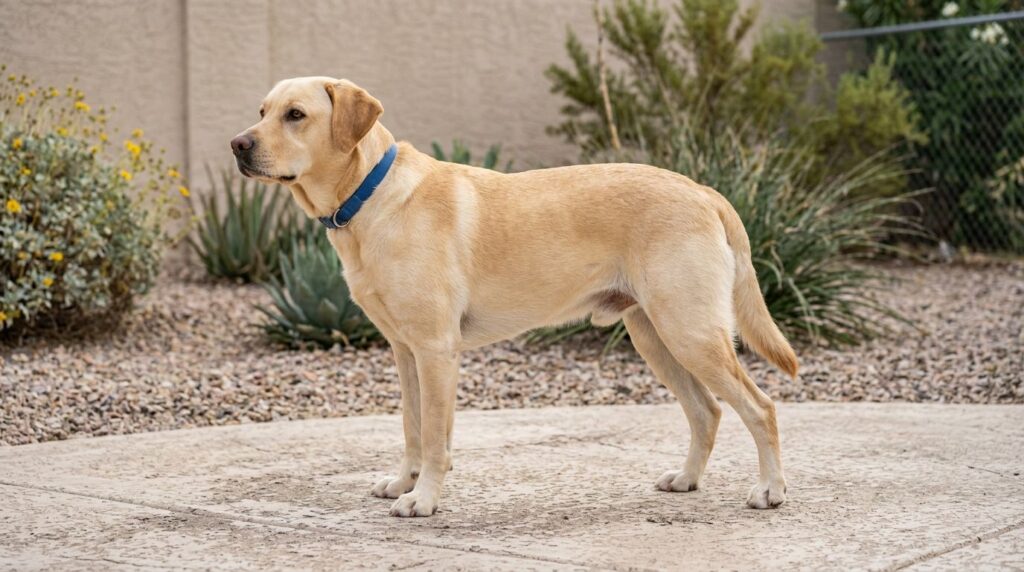
Torn ACLs in Dogs: Surgical Options vs. Conservative Management
If your dog has been diagnosed with a cruciate ligament tear, you may be weighing a recommendation for surgery against the possibility of managing the injury with medication and restricted activity. Surgery involves anesthesia, expense, and a period of closely supervised recovery. Avoiding an operation can sound appealing, especially for an older dog or one that already has medical problems.
A torn ACL in dogs does not always lead to the same treatment recommendation. The dog’s size, knee stability, activity level, other health concerns, and ability to participate in rehabilitation all matter. Surgery generally offers more dependable mechanical stabilization, while conservative management may help selected dogs remain comfortable. Understanding that difference makes the decision easier to discuss with your veterinarian.
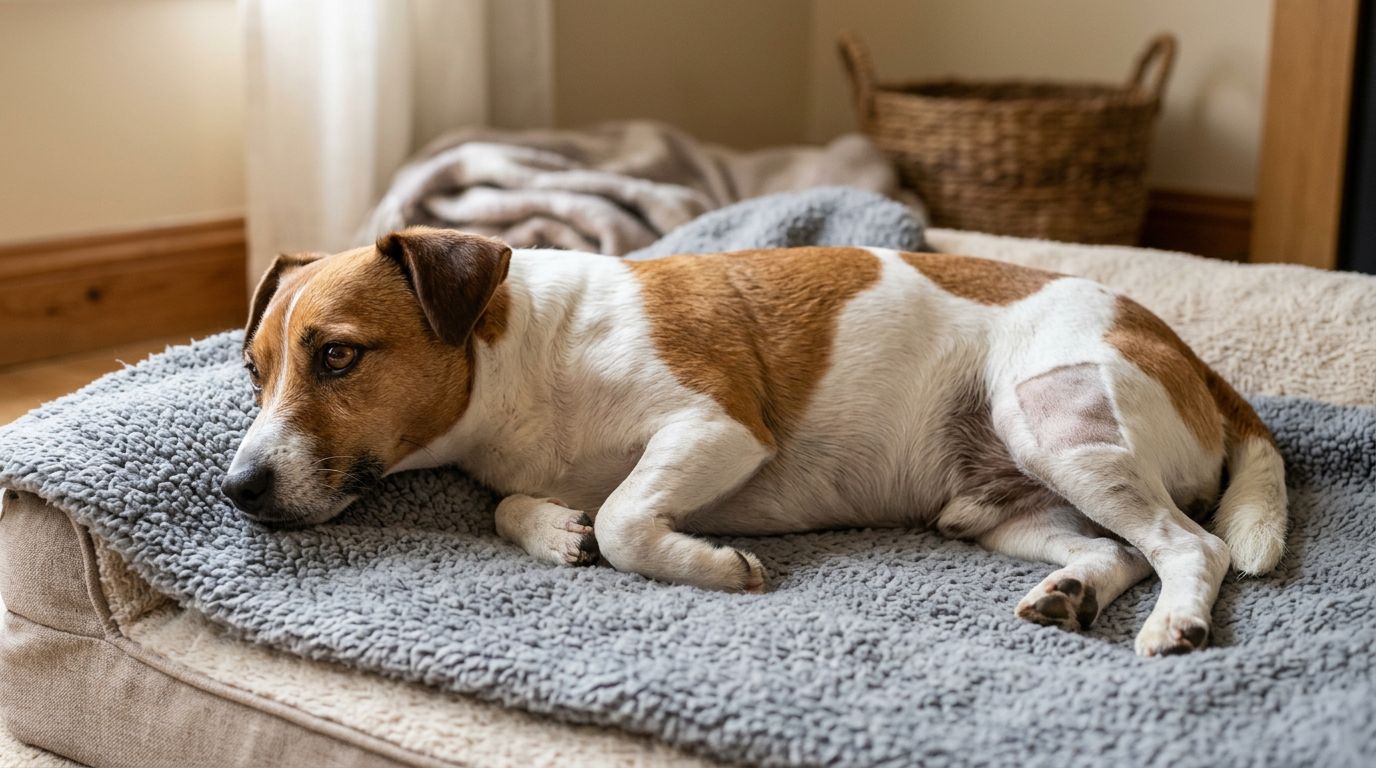
What Actually Happens When a Dog Tears Its ACL?
The Cranial Cruciate Ligament and Knee Stability
Dogs have a cranial cruciate ligament (CCL or CrCL), similar in function to the anterior cruciate ligament (ACL) in people. It helps prevent the shinbone, or tibia, from sliding abnormally forward relative to the thighbone. When the ligament weakens or tears, the knee can shift under the dog’s weight, causing inflammation, pain, and progressive joint damage.
The meniscus, a cartilage structure that cushions the joint, may also be injured. This can add pain and sometimes a clicking sensation. A torn ACL in dogs may therefore involve more than ligament damage alone.
Partial Tears vs. Complete Ruptures
Many canine cruciate injuries develop through gradual ligament degeneration. A partial tear can eventually develop into a complete rupture, although symptoms vary considerably.
How Veterinarians Confirm the Injury
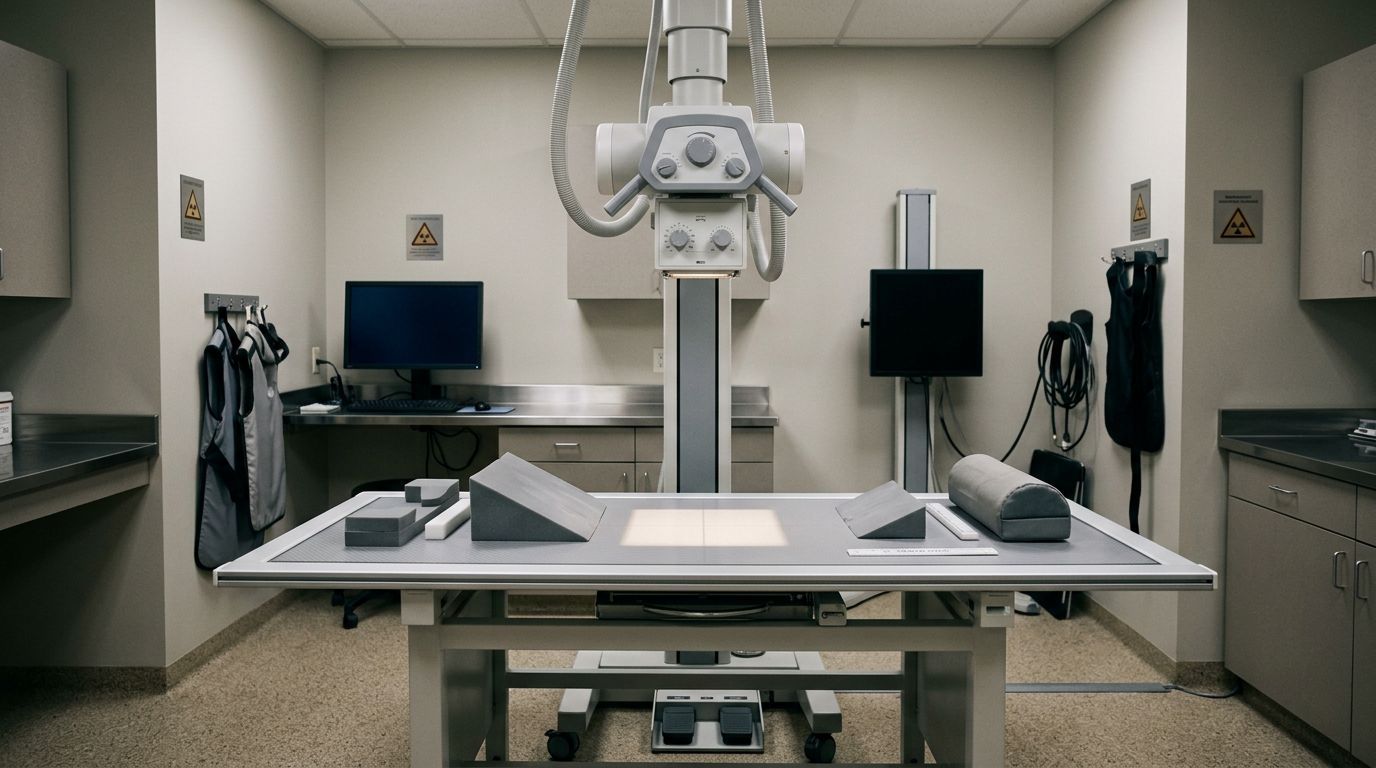
A veterinarian examines the knee for swelling, pain, and abnormal movement using tests such as the cranial drawer or tibial thrust. A painful or tense dog may need sedation for a reliable examination. Diagnostic X-rays for orthopedic conditions help assess joint changes, exclude other problems, and plan an operation, although the ligament itself generally cannot be seen on routine X-rays.
Do Dogs Need Surgery for a Torn ACL?
Not every dog requires the same approach. Surgery is frequently recommended because it addresses the abnormal movement responsible for much of the ongoing discomfort. It is particularly worth considering for an active dog, a larger dog, or one with substantial knee instability.
A veterinarian may also discuss nonsurgical treatment for an individual with a less unstable knee, limited activity demands, or medical issues that complicate anesthesia.
One distinction is critical: a dog may walk better after rest and pain relief while the knee remains mechanically unstable.
Surgical Options for Torn ACLs in Dogs
Several procedures can address instability after cruciate ligament rupture.
TPLO Surgery
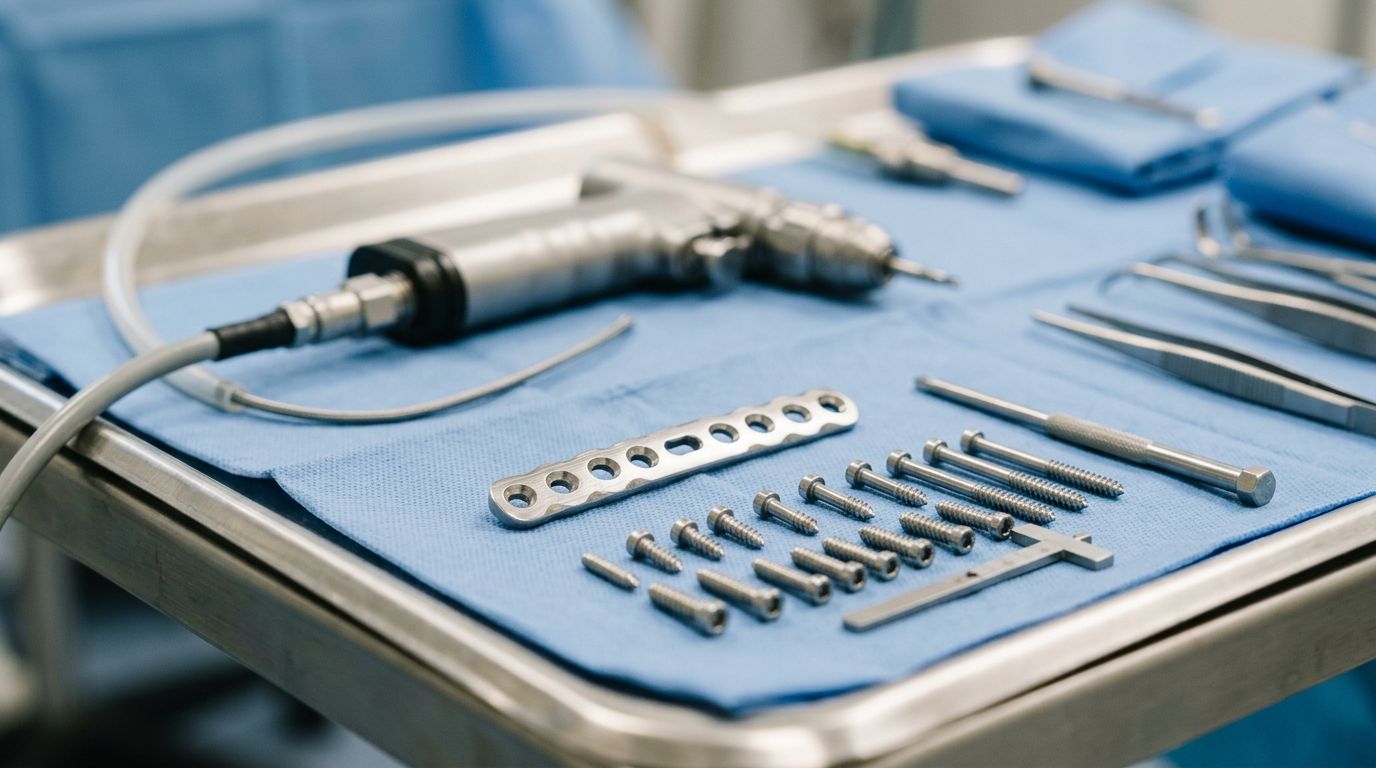
TPLO surgery for dogs stands for tibial plateau leveling osteotomy. During this procedure, the surgeon makes a curved cut near the top of the tibia and rotates part of the bone to change the slope of the knee’s weight-bearing surface. A plate and screws hold the repositioned bone while it heals. The changed alignment reduces the abnormal forward movement that occurs when the cruciate ligament no longer provides normal support.
TPLO does not replace or stitch the torn ligament. It alters the forces acting on the joint when the dog bears weight. It is commonly considered for larger or active dogs, but a veterinarian must assess the individual anatomy and health of each patient. Adobe Veterinary Clinic lists TPLO among its orthopedic repair and TPLO surgery services.
Tibial Tuberosity Advancement (TTA)
TTA also changes the mechanics of the knee, but it advances the front portion of the tibia rather than leveling the tibial plateau. Surgical implants hold the bone in its new position during healing.
Extracapsular or Lateral Suture Stabilization
This technique places a strong suture outside the joint to limit abnormal motion while supporting scar tissue develops. It may be considered for certain smaller or less active dogs. The suture can stretch or fail, and some patients continue to experience instability or arthritis.
These are established veterinary techniques, but Adobe’s published service information specifically confirms TPLO, not that every procedure described here is available at the clinic.
Conservative Management for a Dog’s Torn ACL
Some owners ask about dog ACL treatment without surgery because of their dog’s age, health, or the demands of postoperative care. A nonsurgical plan involves much more than letting the dog rest until the limp improves.
Activity Restriction and Pain Management
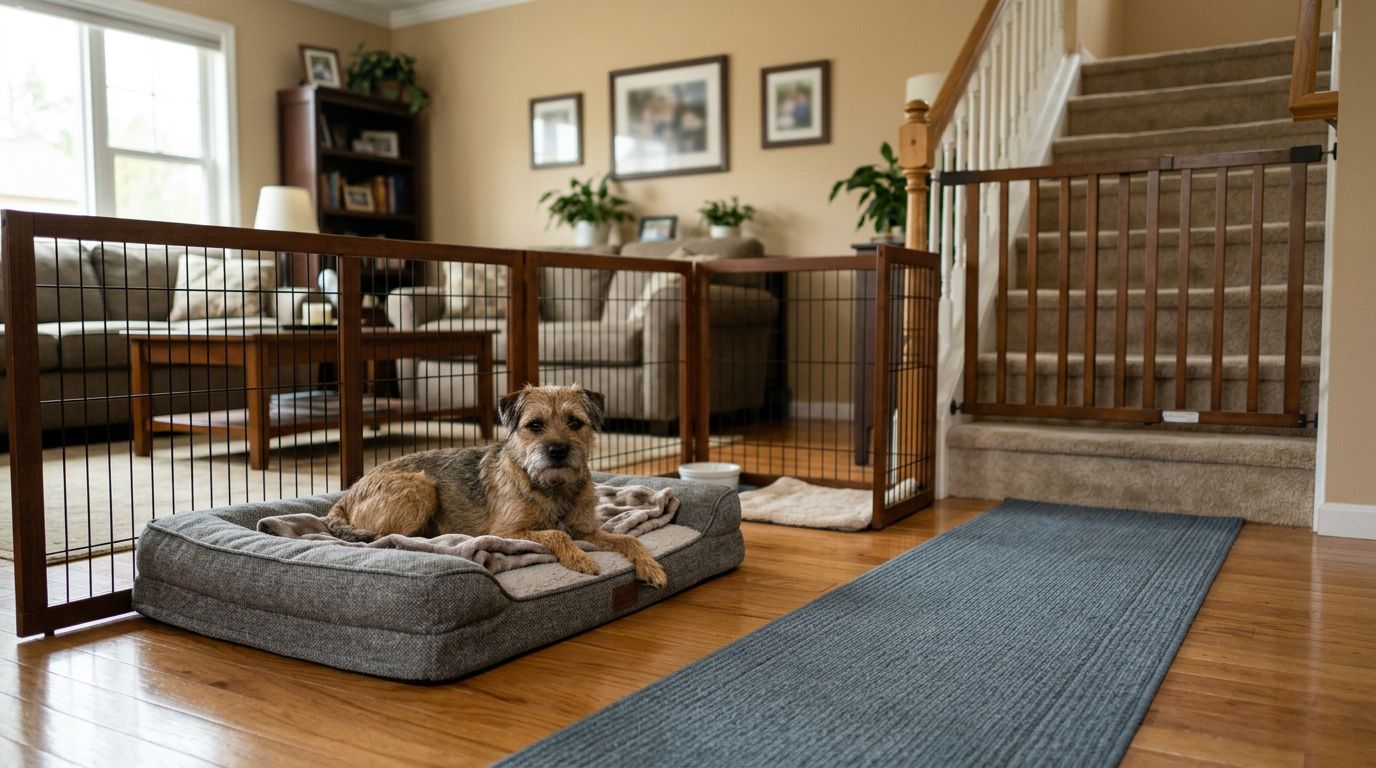
A veterinarian may recommend controlled, leash-based activity and temporarily avoiding running, jumping, rough play, and slippery surfaces. Pain medications or anti-inflammatory drugs may be appropriate after reviewing the dog’s medical history and any needed laboratory testing. Never give human pain medications or change prescribed doses without veterinary advice.
Weight Management and Rehabilitation
Excess body weight increases stress on an already unstable knee. When needed, gradual weight reduction can help improve mobility. Individually planned rehabilitation may help preserve muscle, support joint motion, and encourage controlled use of the leg.
Can the Ligament Heal Without Surgery?
A completely ruptured cruciate ligament generally does not regain normal structural function through rest. Some dogs become more comfortable as inflammation settles and supportive scar tissue forms around the joint, yet abnormal movement may persist. Reinjury and meniscal damage remain concerns. For a torn ACL in dogs, improvement in walking should be considered alongside examination findings and long-term function.
What About Knee Braces?
Custom braces are sometimes discussed, but evidence on their effectiveness remains limited. A brace should not be assumed to offer the same stabilization as surgery.
Surgery vs. Conservative Treatment: Comparing the Options
Neither route is effortless.
| Consideration | Surgical Treatment | Conservative Management |
|---|---|---|
| Knee stability | Designed to control abnormal joint motion | May leave mechanical instability |
| Common candidates | Often favored for larger, active, or markedly unstable dogs | May suit selected smaller, less active, or medically complex dogs |
| Pain management | Stabilization plus postoperative pain control | Medication, activity changes, and rehabilitation |
| Recovery commitment | Incision or bone healing, restricted activity, rechecks | Carefully controlled activity and ongoing monitoring |
| Arthritis | Can continue to progress | Can progress, particularly with persistent instability |
| Costs | Surgery, anesthesia, diagnostics, follow-up, rehabilitation | Medications, visits, rehabilitation, and possible later surgery |
The appropriate choice depends on expected function as well as upfront expense. Likewise, surgery offers meaningful benefits without eliminating the possibility of complications or arthritis.
Which Dogs May Do Well Without ACL Surgery?
Small Dogs and Selected Partial Tears
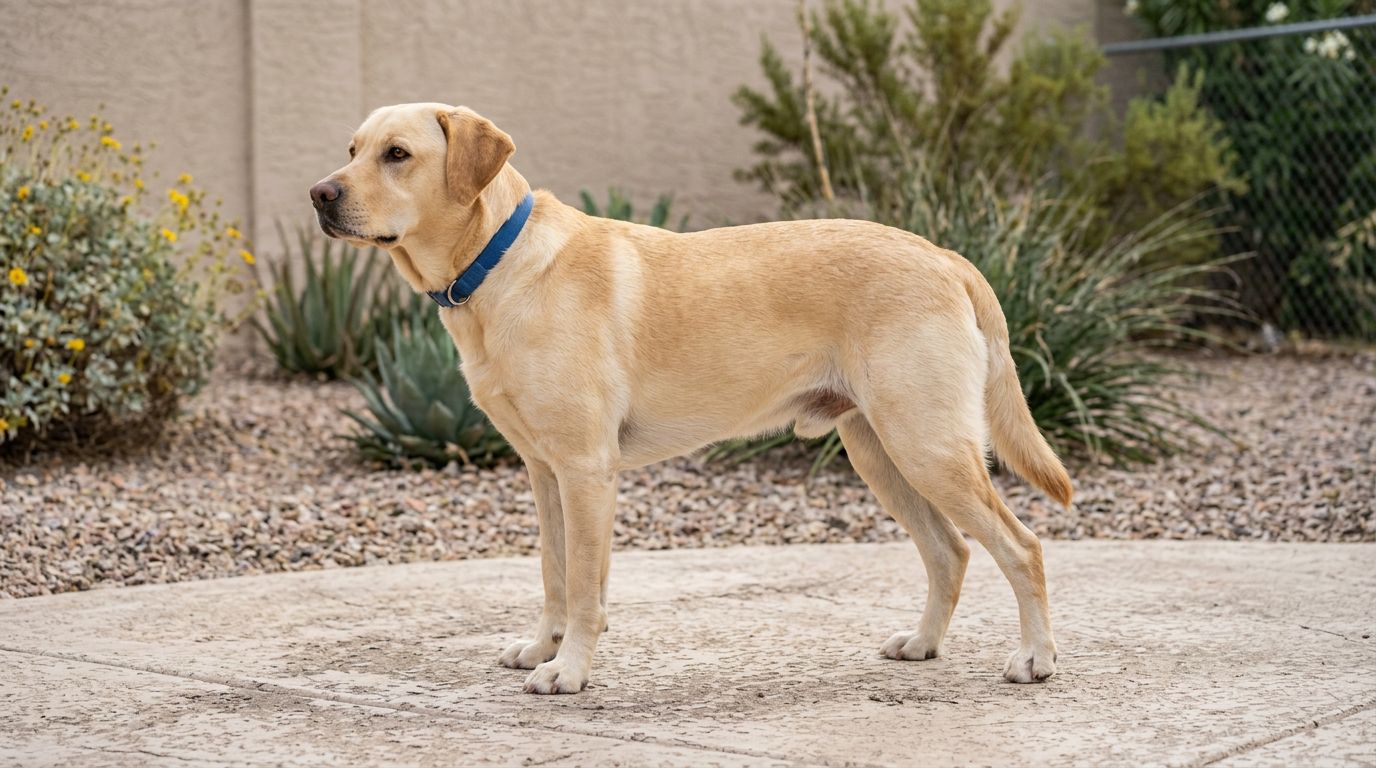
Smaller dogs may sometimes achieve acceptable comfort and mobility through a carefully supervised nonsurgical plan, particularly when instability is limited. There is no single body-weight cutoff that settles the decision.
Senior Dogs or Dogs With Other Health Conditions
Older age alone does not mean an operation is inappropriate. Conversely, chronic illness, an elevated anesthetic risk, or limited functional goals can change the balance. Veterinary assessment and, when appropriate, pre-anesthetic bloodwork help clarify the dog’s overall health.
When Nonsurgical Care Needs Reassessment
If limping persists, mobility deteriorates, or your dog seems increasingly painful, contact the veterinarian rather than extending rest indefinitely. A new click, sudden worsening, or difficulty bearing weight could signal further joint injury. A trial of dog ACL treatment without surgery needs a plan for measuring progress and reconsidering options if the dog is not improving.
Recovery After ACL Surgery vs. Nonsurgical Treatment
Recovering From TPLO or Another Operation
Dog ACL surgery recovery requires more than waiting for the incision to close. After TPLO, the repositioned bone must heal around the implants. Your veterinarian will provide instructions for restricted movement, wound monitoring, prescribed medication, and follow-up examinations. Some dogs need additional imaging to assess healing before exercise increases.
Possible complications include infection, implant problems, delayed bone healing, meniscal injury, and continued lameness. A sudden decline after surgery warrants a call to the veterinary team rather than an attempt to push through rehabilitation.
Recovery With Conservative Care
Nonsurgical recovery also begins with carefully managed activity, followed by changes based on pain and functional progress. The plan may need adjustment if discomfort returns as activity increases.
Rehabilitation Is Part of Both Approaches
Veterinary-guided rehabilitation can help maintain muscle and gradually improve movement. Dog ACL surgery recovery plans should be individualized, just as nonsurgical programs should. Starting demanding exercises too early can be counterproductive.
Will Your Dog Develop Arthritis After an ACL Tear?
Osteoarthritis commonly develops or progresses in a knee affected by cruciate ligament disease. The abnormal movement and inflammation associated with the injury can damage joint structures over time. Stabilization may improve comfort and reduce ongoing abnormal forces, but surgery cannot erase existing arthritis or guarantee that further changes will not occur.
Orthopedic and TPLO Surgery at Adobe Veterinary Clinic in Mesa
Adobe Veterinary Clinic provides orthopedic evaluation and advertises TPLO surgery for dogs at its Mesa practice. Its published orthopedic repair services discuss cruciate ligament injuries, surgical care, and situations where conservative treatment may be considered. The clinic also offers digital diagnostic radiography to help assess orthopedic concerns.
An examination can help determine whether the knee is unstable, whether another condition may be contributing to limping, and what treatment or additional assessment makes sense.
Questions to Ask Before Choosing ACL Treatment for Your Dog
- Is the ligament partly or completely torn, and how unstable is the knee?
- Is there evidence of meniscal damage or another orthopedic condition?
- Why is this particular surgical procedure recommended?
- What function could reasonably be expected with conservative management?
- How will pain, mobility, and progress be evaluated?
- What will the home-care and rehabilitation requirements be?
- What complications or additional treatments might arise?
- What are the expected costs, follow-up visits, and care options?
Frequently Asked Questions About Torn ACLs in Dogs
Can a dog live comfortably with a torn ACL without surgery?
Some dogs, particularly selected smaller or less active patients, can achieve acceptable comfort with medication, activity management, weight control, and rehabilitation. Results vary, and the knee may remain unstable even when the dog walks better. Follow-up examinations help determine whether that level of function is sustainable or treatment needs to change.
Is TPLO surgery necessary for every dog with a complete ACL tear?
No single operation is appropriate for every dog. TPLO is an established option for managing instability, especially in many larger or active patients. A veterinarian should consider the knee’s anatomy, the dog’s overall condition, other surgical approaches, and whether nonsurgical management is reasonable before recommending a treatment.
Can an older dog safely undergo ACL surgery?
Many older dogs can be considered for surgery, but age alone cannot determine anesthetic or postoperative risk. Existing medical conditions, medications, laboratory results, mobility, and the ability to recover at home all matter. The veterinarian can evaluate those factors and discuss whether the likely benefits outweigh the risks for that patient.
How can I tell if conservative management is working for my dog?
Signs of progress may include better weight-bearing, easier rising, more comfortable controlled walks, and reduced need for pain relief under veterinary supervision. Those improvements should be considered with examination findings because the knee can remain unstable despite reduced limping. Worsening discomfort or reduced function warrants reassessment.
Does ACL surgery prevent arthritis in dogs?
No. Arthritis can develop or progress following cruciate ligament injury even after a successful operation. Stabilizing the knee may help reduce abnormal movement and improve long-term comfort, but continued weight management, appropriate exercise, and veterinary follow-up remain important for joint health.
Schedule an Orthopedic Examination in Mesa
If your dog is limping or has been diagnosed with a torn ACL in dogs, Adobe Veterinary Clinic can discuss its orthopedic evaluation and treatment services, including TPLO. Contact Adobe Veterinary Clinic or call (480) 832-2240 to request an appointment at 6454 E. Main Street, Mesa, AZ 85205.
Seek prompt veterinary attention for severe pain, major injury, or an inability to bear weight rather than waiting for a routine appointment.
Request an Orthopedic Examination