
Distinguishing Daily Canine Scent Variations From Signs of Severe Internal Pathologies
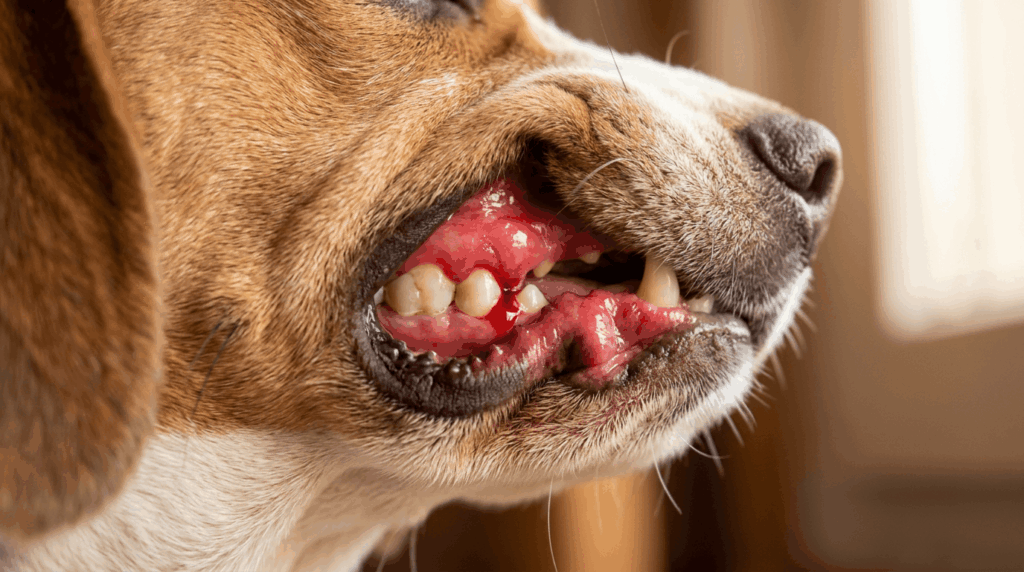
Close physical interactions with a canine companion are a joyful part of daily life for families throughout the East Valley. Whether it is an enthusiastic morning greeting or a relaxed evening spent resting on the couch, pet owners are highly familiar with their animals’ routines and habits. During these close moments, the condition of a dog’s breath is often immediately apparent. While a mild, fleeting scent of recent kibble or a temporary post-meal odor is entirely normal, a persistent, foul stench that lingers in the room is a clear medical warning.
Table of Contents
- The Daily Sniff: Normalizing Basic Dietary Odor Versus Chronic Foul Breaths
- Microbial Multipliers: How Neglected Soft Films Crystallize Into Painful Bacterial Fortresses
- The Internal Signal: When Severe Halitosis Points to Organ Failure or Metabolic Disturbances
- Physical Clues of Severe Discomfort: Identifying Silent Markers of Advanced Mouth Trauma
- Advanced Ultrasonic Cleanings and Multi-Layered Solutions at Our East Valley Animal Hospital
- The Straight-Shooter Mesa Pet Oral Health FAQ
- Clear the Odor and Safeguard Your Pet: Lock in Reliable Care on East Main Street
The Daily Sniff: Normalizing Basic Dietary Odor Versus Chronic Foul Breaths
Many pet parents treat heavy oral odor as an inevitable, somewhat humorous consequence of pet ownership. The phrase “dog breath” is frequently used to dismiss a distinct, underlying smell that actually requires professional attention. Shifting the perspective away from viewing bad breath as a simple cosmetic nuisance is vital for a pet’s long-term health. Veterinary professionals view chronic halitosis as a primary warning flag for significant internal tissue decay and active infection.
Ignoring a putrid, long-lasting odor allows underlying oral diseases to progress unchecked, transforming a localized mouth issue into a systemic crisis. Understanding when a scent is merely a reflection of a recent snack versus when it signals an advancing pathology allows families to seek timely treatment. Addressing the problem early protects the animal from hidden physical suffering and guards their vital organs from chronic biological strain.
Microbial Multipliers: How Neglected Soft Films Crystallize Into Painful Bacterial Fortresses
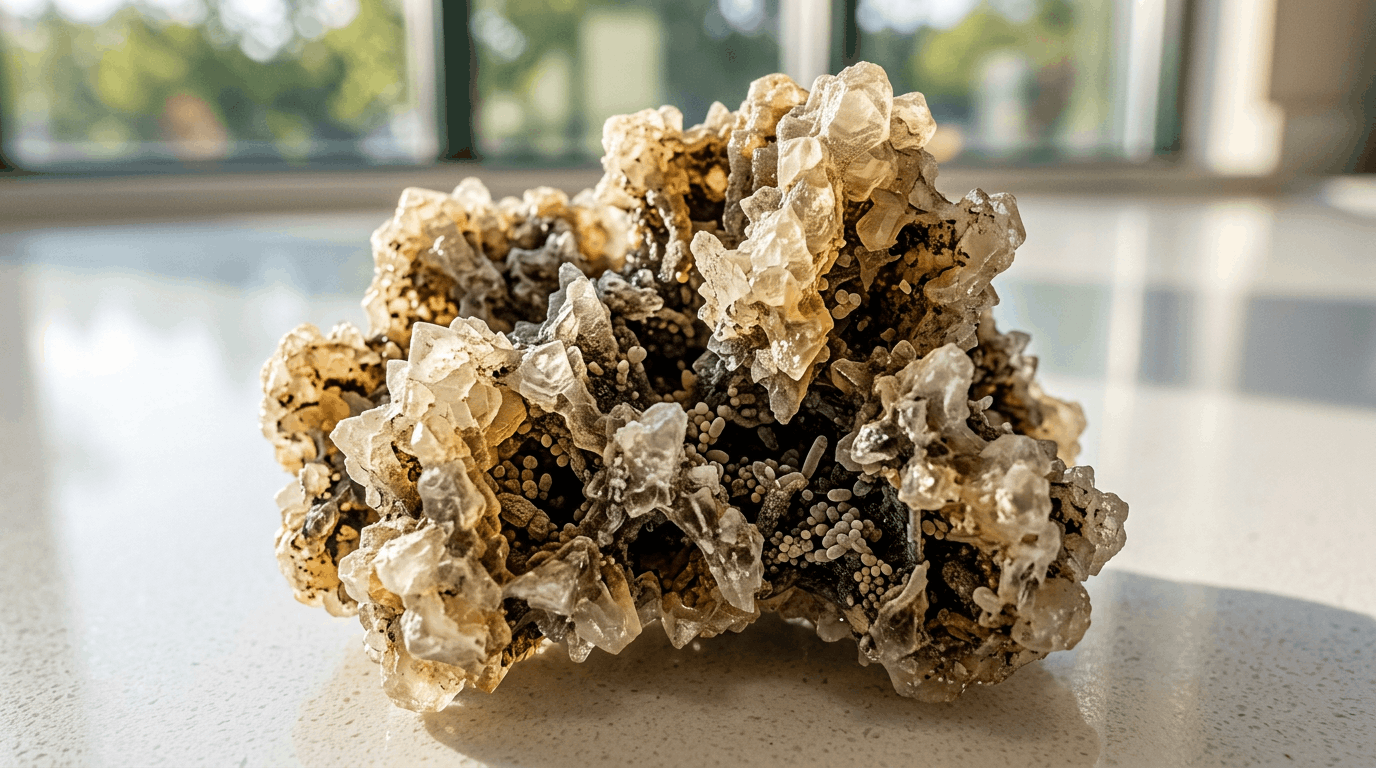
The biological mechanism behind canine halitosis begins with everyday eating habits. Immediately following a meal, a sticky, nearly invisible film called plaque begins to blanket the smooth surfaces of a dog’s teeth. This soft biofilm is composed of salivary proteins, microscopic food particles, and live bacteria. If this layer is not physically removed through regular cleaning, it undergoes a rapid chemical transformation. Within forty-eight hours, the minerals found naturally inside canine saliva mix with the soft film, causing it to crystallize into a rock-hard, cement-like substance known as dental calculus or tartar.
Once calculus forms a hard bond with the tooth enamel, it behaves like a physical fortress that protects expanding microbial colonies. These calcified walls shield aggressive, anaerobic bacteria that thrive in dark environments devoid of oxygen. As these organisms consume organic material, sloughed tissue, and proteins inside the mouth, they manufacture waste products known as volatile sulfur compounds. These compounds are the direct source of the rotten, putrid odor that defines advanced canine dental disease.
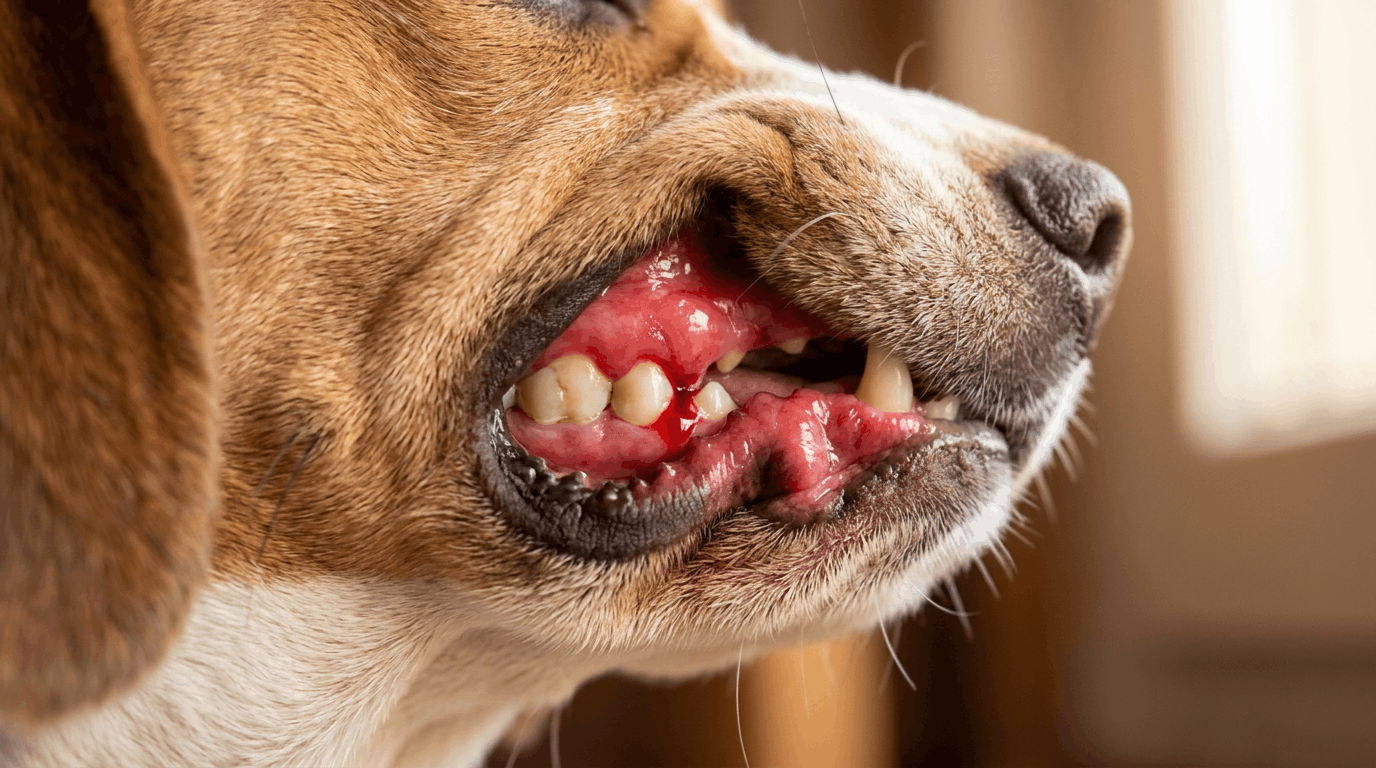
As the microbial population expands, the infection pushes downward, forcing its way beneath the delicate margins of the gumline. This subgingival invasion triggers a severe inflammatory response, leading to a cascade of structural destruction:
- The local blood vessels dilate and weaken, causing the gum tissue to become bright red, swollen, and prone to bleeding at the slightest mechanical touch.
- The active bacteria release destructive enzymes that systematically dissolve the periodontal ligaments holding the tooth securely inside its socket.
- The underlying alveolar bone structure begins to recede as the body attempts to distance itself from the chronic source of infection.
- Deep pockets form around the roots of the teeth, creating expanding reservoirs for pus, debris, and deeper bacterial replication that threatens the stability of the entire jaw.
The Internal Signal: When Severe Halitosis Points to Organ Failure or Metabolic Disturbances
While the vast majority of bad breath cases stem from localized periodontal decay, the oral cavity can also function as a diagnostic mirror for the rest of the body. Distinct styles of bad breath can serve as critical biological alarms for visceral organ dysfunction or severe metabolic disturbances. When internal organs fail to filter waste products or manage metabolic processes, unique chemical compounds accumulate within the bloodstream. These volatile toxins eventually travel to the lungs, escaping each time the animal exhales and producing highly specific scent profiles.
A distinct sweet, fruity, or nail polish remover scent emanating from a dog’s mouth frequently points to a metabolic crisis. This specific odor is a primary indicator of uncontrolled canine diabetes mellitus, specifically a life-threatening complication known as diabetic ketoacidosis. When the body cannot utilize glucose for energy due to a lack of functional insulin, it begins breaking down fat stores at a rapid, uncontrolled pace. This process produces toxic chemical byproducts called ketones, which accumulate in the blood and create a fruity aroma on the breath, signaling a situation that demands immediate emergency veterinary stabilization.
Other scent variations point directly to the failure of the body’s primary filtration pathways:
- An offensive, urine-like, or ammonia-tinged breath profile indicates that the renal system is failing to filter dangerous metabolic waste from the bloodstream, allowing urea to build up and escape through the lungs.
- A foul, musty, or dead odor paired with a yellow tint in the white of the eyes signals progressive liver tissue death, reflecting the organ’s inability to neutralize circulating toxins.
- An unusually acidic, sour, or vomit-scented breath profile reveals chronic gastrointestinal blockages, severe esophageal reflux, or deep ulcerations within the stomach lining.
- A sudden, putrid stench accompanied by sudden facial swelling often points to a ruptured tooth root abscess that has tunneled through the maxillary bone into the nasal passages.
Physical Clues of Severe Discomfort: Identifying Silent Markers of Advanced Mouth Trauma

Because dogs possess a powerful evolutionary instinct to conceal physical suffering, they rarely display obvious signs of mouth pain. In the wild, showing vulnerability or refusing food marks an animal as a target, so domestic canines will continue to eat hard kibble even while managing severe structural decay. This stoic behavior means that pet parents cannot simply wait for their dog to whine or stop eating to determine if an oral issue is present. Owners must become careful behavioral detectives, looking past surface appearances to catch silent markers of advanced mouth trauma early.
Evaluating a pet’s daily interactions and grooming habits provides critical clues regarding their internal comfort levels. The following physical and behavioral shifts demand immediate clinical screening:
- A sudden, sharp decline in a pet’s daily interest in chewing hard toys, playing fetch with favorite balls, or picking up crunchy treats that once brought them joy.
- Subtle behavioral changes like sudden reclusiveness, uncharacteristically irritable responses, or pulling away when a family member attempts to touch the face, chin, or muzzle.
- Excessive salivation, unexplained drooling, or small drops of blood-tinged fluid left behind on water bowls, plush chew toys, and soft bedding surfaces.
- Gums that appear bright red, visibly swollen, or bleed easily during routine lip lifting, oral checks, or basic physical inspections.
- Repeated pawing frantically at the side of the face or rubbing the mouth continuously against carpets and furniture in a desperate attempt to alleviate deep nerve pressure.
Advanced Ultrasonic Cleanings and Multi-Layered Solutions at Our East Valley Animal Hospital
Resolving chronic oral infections and protecting a canine companion from secondary organ damage requires moving past superficial home remedies and utilizing professional veterinary interventions. Adobe Veterinary Clinic, located on East Main Street in Mesa, functions as a modern, technology-focused animal hospital dedicated to preserving pet longevity. Providing trusted local care to the East Valley community since 1975, our family-led medical team combines decades of clinical expertise with advanced diagnostic protocols to address dental disease at its source.

A proper veterinary dental procedure is a detailed, multi-layered medical intervention that targets the active infection hiding beneath the gumline. The clinic utilizes five core clinical services to eliminate bacterial reservoirs and restore full-body vitality:
- Comprehensive Wellness Exams: Doctors perform meticulous physical evaluations to check full-body vitality, screen for heart murmurs, and accurately stage the severity of oral pathology.
- Advanced Diagnostic Bloodwork: The clinical team utilizes targeted pre-anesthetic blood chemistry profiles and urinalysis to evaluate kidney and liver function, ensuring internal organs can safely process medications.
- Safe, Regulated Anesthesia Protocols: Reaching deep within the periodontal pockets demands absolute patient immobility and pain control, which is achieved through customized anesthesia plans and continuous electronic multi-parameter vitals tracking.
- Advanced Surgical Excellence and Dental Scaling: Trained veterinary professionals utilize advanced ultrasonic scalers to safely shatter hardened tartar from the crowns and clear active infections from beneath the gumline, followed by precise polishing to smooth the enamel.
- Routine Preventive Care: Incorporating regular senior pet monitoring and individualized dental roadmaps helps families maintain oral health long after the initial cleaning is complete.
The Straight-Shooter Mesa Pet Oral Health FAQ

Clear the Odor and Safeguard Your Pet: Lock in Reliable Care on East Main Street
Allowing a dog to manage chronic oral odor while hoping the condition clears up on its own places their systemic health in continuous danger. Masking severe halitosis with over-the-counter mints, retail sprays, or textured treats simply covers up a symptom while allowing active bacterial fortresses to quietly destroy the underlying jawbone and travel through the bloodstream. Every day spent delaying professional care gives aggressive pathogens an open pathway to damage delicate heart valves and strain microscopic kidney filters. Reclaiming your pet’s health requires a commitment to comprehensive, professional veterinary medicine. Stop watching subtle behavioral changes progress, abandon temporary at-home fixes, and put an experienced local team to work for your companion. Visit adobeclinic.com or call our Main Street facility directly to schedule a professional dental consultation and secure your pet’s comfort and longevity today.