A Desert Owner’s Essential Guide to Thermal Ground Hazards and Preventative Paw Care
Mesa, Arizona summers are legendary for their intense, unyielding heat waves that stretch across the valley for months at a time. Local residents quickly learn to adapt to these extreme conditions by modifying their daily routines, adjusting their home cooling systems, and seeking refuge indoors during the peak hours of solar radiation. While people can easily shield themselves from the harsh environment, companion animals rely entirely on their owners to navigate seasonal hazards safely. One of the most widespread yet frequently underestimated dangers of our desert climate is the extreme temperature shift that occurs on urban walking surfaces. Materials like dark asphalt, solid concrete sidewalks, and even decorative brick pavers function as massive thermal batteries, trapping solar energy and retaining it long after the sun has peaked in the sky.
The Searing Ground: Navigating Mesa’s Extreme Thermal Traps
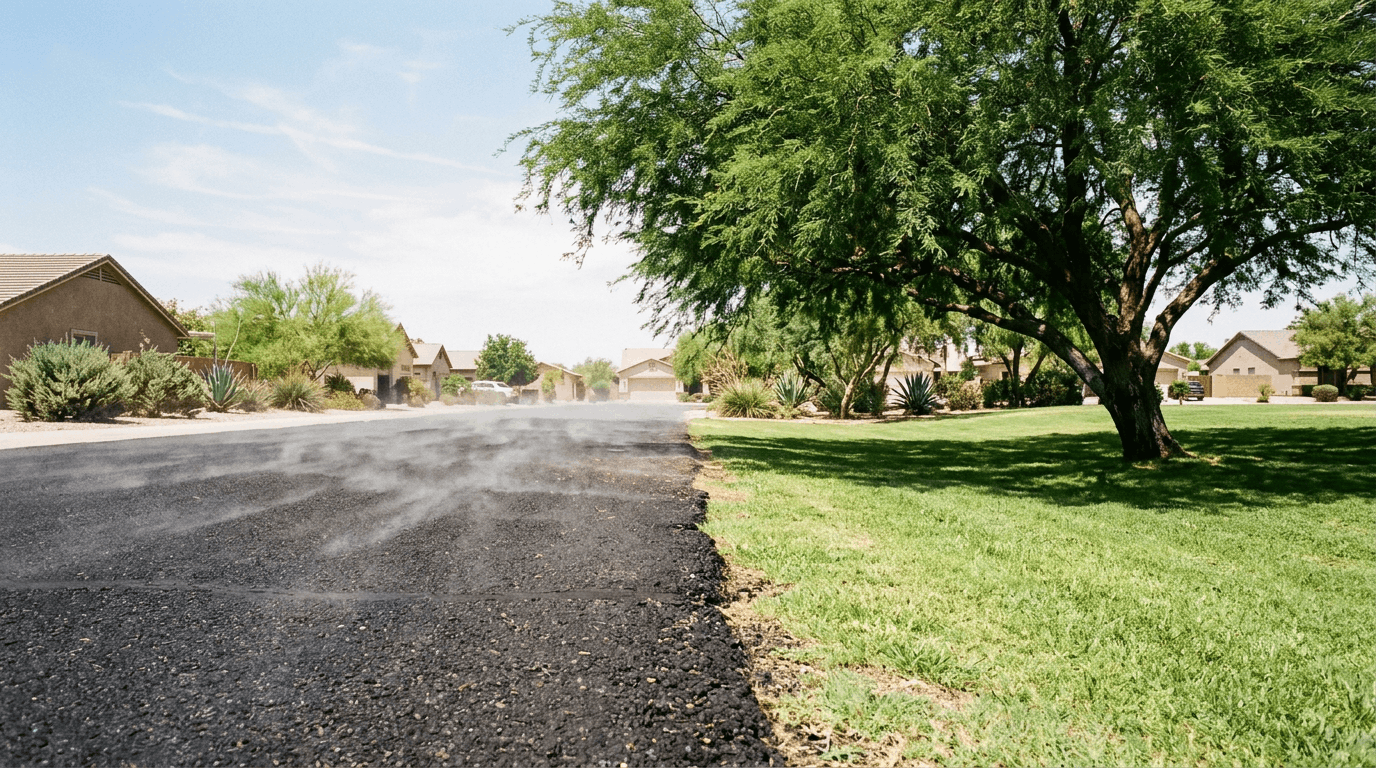
When the afternoon air temperature reads a scorching 115 degrees, the actual surface temperature of the asphalt beneath our feet can easily climb well past 140 or 150 degrees. This extreme level of ground heat is more than enough to inflict deep, painful thermal trauma to living tissue within a matter of moments. Taking a companion dog for a routine stroll down a neighborhood street or making a quick transit across a retail strip mall parking lot can instantly transform a peaceful outing into a severe medical crisis. Because humans are isolated from the ground by thick, rubber-soled shoes, it is incredibly easy to overlook the physical reality of the terrain our pets must cross barefoot.
For a domestic animal walking completely unprotected, every single step involves direct, pressurized contact with a scorching surface. This intense exposure can result in sudden, severe pain, unexpected tissue destruction, and profound physical shock. The transition from active play to a state of traumatic injury can occur in the time it takes to walk a single block. Developing a proactive, protective mindset and carefully evaluating ground conditions before letting a pet step outside is a time-sensitive requirement for every family living in the East Valley landscape. Proactive environmental management is the most effective tool available to prevent these traumatic accidents before they cause permanent structural damage.
The Vulnerable Pad: Understanding the Physiological Impact of High-Temperature Burns

Understanding why modern urban surfaces present such a severe hazard requires an objective look at canine and feline paw anatomy. The footpads of dogs and cats are highly specialized structures composed of thick layers of adipose tissue, collagen fibers, and elastic connective tissue, all shielded by a heavily cornified, textured outer skin layer. This anatomical configuration provides exceptional shock absorption, supports daily structural mobility, and offers excellent protection against natural wild environments, such as packed dirt, native river rocks, sand, and rough desert grass.
However, evolutionary design did not prepare these delicate anatomical structures to withstand modern, human-engineered building materials. Dark asphalt, solid concrete slabs, and composite paving materials feature a high molecular density that maximizes heat retention and thermal conductivity. When a pet’s bare paw is pressed firmly against these materials under the weight of their body, the intense thermal energy triggers rapid cellular destruction within the deep layers of the footpad skin. This extreme heat denatures cellular proteins, ruptures micro-capillaries, and causes the outer epidermal layers to systematically detach from the highly vascular dermis underneath.
This biological breakdown leads to the rapid formation of severe, fluid-filled blisters and significant tissue sloughing, a painful condition where the protective outer padding peels away entirely, leaving raw, bright red, bleeding tissue exposed to the elements. Because dogs and cats possess sweat glands inside their footpads, the injured area remains continuously moist, which further complicates the natural healing process.
Furthermore, these open, raw wounds make direct contact with the ground, creating an immediate pathway for opportunistic environmental bacteria, chemical runoff, and localized debris to enter the deeper tissues of the limb. Managing these complex thermal injuries requires advanced, sterile clinical care and structured medical wound management from a professional
veterinary team. Attempting to treat severe pad burns at home with unverified over-the-counter ointments or heavy oils can be incredibly dangerous, as these heavy substances frequently seal the remaining heat inside the tissue layers, worsen localized chemical irritation, and attract additional contaminants to the open wound site.
Spotting the Scorch: A Scannable Checklist of Pad Trauma and Environmental Rules
Because companion animals possess a powerful survival instinct to conceal physical weakness, they rarely display obvious vocal indicators of suffering during the early stages of an injury. A dog or cat might continue to walk or run alongside its owner even while coping with active, developing thermal burns along the bottom of its feet. This stoic behavior means that pet parents must look past surface appearances and actively monitor both behavioral shifts and physical markers to identify when an injury has taken place. Establishing strict environmental rules and performing regular physical checks after every outdoor excursion is vital to protect a pet’s long-term mobility.
The following physical symptoms and preventative metrics provide an easy-to-use safety reference for pet owners to utilize during the extreme summer months:
- Sudden limping, holding a single paw completely off the ground, shifting body weight unevenly between limbs, or a complete, uncharacteristic refusal to continue moving forward while on an outdoor path.
- Obsessive licking, frantic chewing, constant biting, or aggressive grooming directed at the footpads or lower limbs immediately upon returning indoors from an outing.
- Visible tissue modifications where the naturally textured pad skin appears unusually dark, bright red, visibly swollen, or displays large fluid-filled blisters and detached, peeling skin flaps.
- The seven-second skin contact test, which requires an owner to place the back of their own bare hand firmly against the outdoor pavement for a count of seven consecutive seconds before allowing a pet to step onto the surface.
- If the asphalt is too hot to comfortably hold the back of a human hand in place for the full seven seconds, it is entirely unsafe for a pet’s bare feet, demanding an immediate alteration of travel plans.
- Routine scheduling of all mandatory outdoor exercise, training sessions, and bathroom breaks during the early morning hours before sunrise, as the ground has had hours overnight to shed heat, unlike late evening hours when paths remain radiating traps.
- Sticking strictly to shaded corridors, lush grassy parks, or natural dirt trails whenever outdoor transit is unavoidable, completely avoiding unshaded blacktop retail parking lots and concrete plazas.
Comprehensive Wound Management and Protective Guidance at Our Main Street Hospital
Addressing the painful physical trauma of seasonal environmental burns requires a comprehensive, diagnostic-driven medical approach. Adobe Veterinary Clinic, situated on East Main Street in Mesa, functions as a full-service animal hospital prepared to treat heat-related soft tissue injuries and manage long-term recovery safely. Serving the East Valley community since 1975, our independent practice features a dedicated, family-led medical team equipped to handle environmental emergencies with clinical precision, offering advanced medical interventions to eliminate pain and restore full structural mobility.
The hospital integrates five core veterinary offerings to treat thermal paw trauma and support comprehensive animal wellness:
- Comprehensive Wellness Exams: Doctors conduct detailed physical evaluations to precisely grade the depth of thermal tissue damage, check joint mobility, evaluate full-body vitality, and look for secondary signs of heat exhaustion or systemic stress.
- Soft Tissue Wound Care and Surgery: When extreme pavement contact results in deep, necrotic tissue burns or severe infections, our experienced veterinary surgeons perform precision debridement and sterile, advanced wound care to remove non-viable structures and accelerate cellular regeneration.
- Customized Pain Mitigation Plans: The medical staff designs tailored pharmaceutical protocols using safe, fast-acting medications to block intense neurogenic pain, control localized inflammation, and ensure a smooth, stress-free healing process at home.
- Climate-Controlled Medical Boarding: Keeping an injured pet calm, comfortable, and completely off their feet during a summer heat wave can be exceptionally difficult in a busy household, which is why our spacious, temperature-regulated boarding facility provides separate quarters for dogs and cats to guarantee a safe, cool, and highly monitored indoor recovery environment away from outdoor hazards.
- On-Site Grooming and Hygiene Support: Long, unmanaged fur growing between a pet’s footpads can trap scorching dirt, collect hot asphalt debris, and hide underlying blisters, which is why our experienced groomer provides precise trimming and physical hygiene checks to maintain healthy paw ventilation and prevent secondary bacterial accumulation.
By combining these advanced diagnostic and treatment modalities with highly personalized attention, the clinic helps pets successfully overcome seasonal injuries, ensuring that local companions return to their active, happy lives as quickly and safely as possible.
The Straight-Shooter Mesa Summer Paw Safety FAQ
What specific capabilities should East Valley pet parents look for when choosing the best veterinarians in Mesa Arizona to handle acute thermal burns and soft tissue trauma?
Selecting the right provider to treat severe ground burns involves looking for an established medical team with deep experience in regional environmental injuries. Pet parents should prioritize an independent animal hospital that provides on-site emergency triage, advanced soft tissue wound care capabilities, and specialized pain management protocols. Because severe paw pad burns represent a complex dermatological and orthopedic challenge, finding a practice with a long history in the local community ensures your pet is cared for by professionals who understand how to prevent secondary bacterial infections and manage deep tissue healing successfully.
How do the veterinary doctors at the Main Street clinic evaluate the severity of a dog’s footpad injuries during an emergency consultation?
During an
emergency consultation at our clinic, veterinarians utilize a structured diagnostic assessment to evaluate ground burns. The doctor carefully cleanses the area with sterile solutions to clear away exterior dirt and pavement debris, allowing for a clear visual inspection of the tissue layers. The medical team evaluates whether the burn is superficial or if it has progressed to deep tissue separation, where the pad skin detaches from the vascular layers below. This precise staging allows our staff to create a targeted treatment plan, identifying if the pet requires simple protective bandaging or surgical debridement to remove damaged tissue.
Can regular preventive checkups or wellness evaluations at Adobe Veterinary Clinic help locate hidden structural vulnerabilities in a senior pet’s paws before summer begins?
Regular preventative wellness evaluations are highly effective for catching hidden paw issues before the extreme summer heat arrives. As pets age, their footpad skin can naturally thin, dry out, or develop hyperkeratosis, a condition that causes the pads to become brittle and crack easily. During a routine checkup, our medical team inspects the structural integrity of your dog’s paws, checks for proper nail alignment, and evaluates joint mobility. Identifying and treating these baseline structural weaknesses early ensures your senior companion has the strongest possible defense against hot outdoor surfaces.
What are the designated operating hours on E. Main St for scheduling a prompt physical evaluation if an outdoor excursion causes sudden foot discomfort?
Our modern full-service facility is located at 6454 E. Main St in Mesa, Arizona, making it easy for East Valley families to access prompt medical attention when an outdoor excursion goes wrong. To ensure local pets can receive care when they need it most, our clinic operates regular, accommodating hours throughout the week. The medical team welcomes patients on Monday, Tuesday, Thursday, and Friday from 8:00 AM to 5:30 PM. For mid-week and weekend needs, we offer convenient operational windows on Wednesday and Saturday from 9:00 AM to 1:00 PM, keeping the doors closed on Sundays to let our staff rest.
Secure Your Companion’s Summer Vitality: Partner With Our Main Street Clinical Team
Living alongside the intense seasonal shifts of the Arizona desert demands continuous environmental awareness and immediate access to trusted primary veterinary care. The extreme summer sun leaves community sidewalks, retail parking lots, and residential roadways hot enough to inflict deep, peeling burns within a matter of seconds, turning a simple neighborhood walk into a painful physical emergency for a barefoot pet. Allowing a dog or cat to manage raw, blistered, or bleeding footpads without professional medical care simply invites aggressive bacterial infections, prolonged lameness, and unnecessary physical suffering for a beloved family member. Take a proactive, compassionate step to protect your companion’s structural mobility and defend their long-term well-being. Stop monitoring severe thermal injuries at home, avoid the dangers of unverified home remedies, and put an experienced local medical team to work for your pet. Visit adobeclinic.com or call our full-service facility on East Main Street directly to schedule a professional clinical consultation and secure your pet’s summer safety today.