

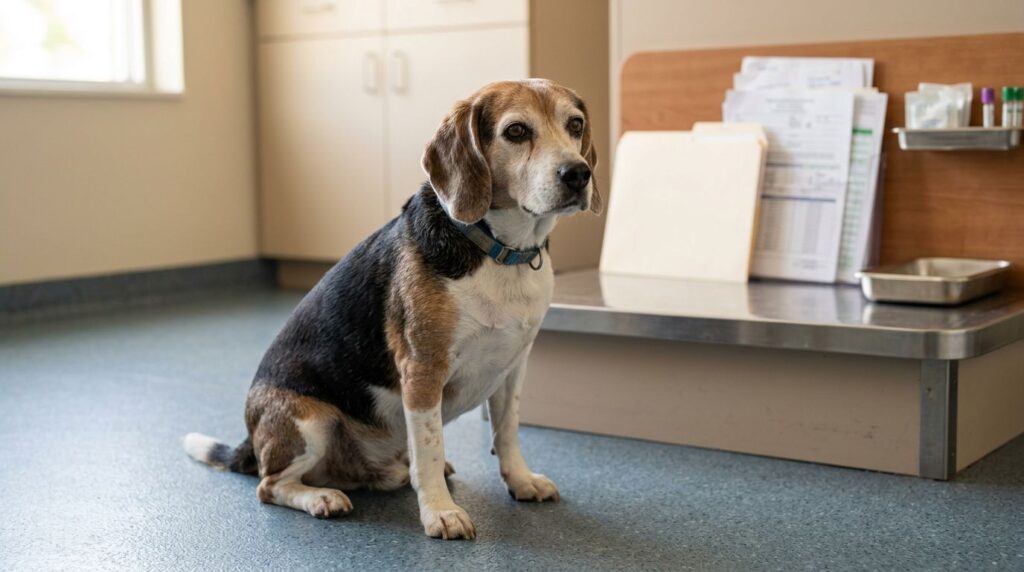
Elevated Liver Enzymes in Older Dogs: When Should You Worry?
Hearing that your senior dog’s liver enzymes are elevated can be unsettling, especially if the bloodwork was part of a routine wellness examination and your dog seems perfectly healthy. You may wonder whether this means liver disease, whether treatment is necessary, or whether the results are simply another consequence of getting older.
The significance of elevated liver enzymes in older dogs depends on several factors. Veterinarians consider which enzymes are elevated, how far the results fall outside the normal reference range, whether previous tests show a change, and how the dog is feeling overall.
Finding high liver enzymes in dogs does not automatically mean the liver is failing. Some abnormalities occur alongside other medical conditions or medications, while others point toward problems that require closer investigation.
Knowing what these results can and cannot tell you will help you have a more productive conversation with your veterinarian.
What Do Elevated Liver Enzymes Mean in an Older Dog?
The liver performs hundreds of functions, including processing nutrients, metabolizing medications, producing important proteins, and helping remove waste products from the body. Veterinarians can evaluate aspects of liver health through blood tests, but interpreting those results requires more than checking whether a number is high.
Liver Enzyme Elevation Is Not the Same as Liver Failure
Liver enzymes can enter the bloodstream when liver cells are injured or when certain processes involving the liver and bile ducts change. Some medications and medical conditions also cause increased enzyme production.
These measurements primarily provide clues about liver injury, bile flow, or enzyme induction. They do not directly measure how well the liver is performing all its essential functions.
A dog may have significantly abnormal enzyme results while retaining adequate liver function. Conversely, serious liver disease can sometimes be present without dramatic enzyme elevations.
Veterinarians therefore consider other findings, including bilirubin, albumin, glucose, and, when appropriate, tests that more directly assess liver function.
Understanding ALT, ALP, AST, and GGT
Four enzymes commonly appear on canine chemistry panels:
| Enzyme | What an Elevated Result May Indicate |
|---|---|
| ALT (Alanine Aminotransferase) | Liver cell injury or inflammation |
| ALP (Alkaline Phosphatase) | Changes involving the liver, bile flow, medications, or certain hormonal conditions |
| AST (Aspartate Aminotransferase) | Possible liver or muscle injury |
| GGT (Gamma-Glutamyl Transferase) | Changes involving the liver or biliary system |
An elevated ALT in dogs can suggest liver cell injury, although it does not identify the underlying cause or measure how much function remains.
ALP is especially important to interpret carefully because it can rise for several reasons unrelated to primary liver disease.
For additional background, Adobe Veterinary Clinic explains what veterinarians look for in bloodwork during medical evaluations.
Why Do Liver Enzymes Become Elevated in Senior Dogs?
Older dogs may develop health conditions that affect the liver directly or influence enzyme levels through other processes. They may also be taking medications for arthritis, seizures, allergies, or chronic illnesses.
Age adds complexity to interpreting bloodwork, although aging alone does not explain an abnormal result.
Medications and Hormonal Disorders
Certain medications can influence liver enzyme activity. Corticosteroids and some anticonvulsants, for example, may contribute to increased ALP levels.
Dogs with Cushing’s disease, a condition involving excessive cortisol, can also develop enzyme abnormalities. Cushing’s disease may be accompanied by increased thirst, frequent urination, changes in appetite, or abdominal enlargement.
These findings overlap with symptoms of several other conditions, so bloodwork alone cannot establish the diagnosis.
If your dog takes prescription medications, your veterinarian will want an accurate list of everything being administered, including supplements. Never stop a prescribed medication because of abnormal bloodwork without speaking to the prescribing veterinarian.
Liver Inflammation, Gallbladder Disease, and Other Conditions
Persistent enzyme elevations sometimes reflect underlying liver or biliary disease.
Potential causes include chronic hepatitis, gallbladder disorders, changes in bile flow, and vacuolar hepatopathy, a condition involving changes within liver cells that may occur alongside certain hormonal disorders or medication exposure.
Liver masses can also be considered during an evaluation, particularly when other findings justify imaging. An elevated enzyme result alone is not evidence of cancer.
High ALP in older dogs may occur with several different conditions, making the accompanying bloodwork, clinical signs, and medical history particularly useful.
If abnormalities persist or your dog develops symptoms, a veterinarian may recommend further investigation through veterinary internal medicine services.
When Should You Worry About Elevated Liver Enzymes?
The most useful question is whether the abnormal result is accompanied by symptoms, other concerning laboratory findings, or a pattern suggesting an ongoing problem.
When Your Dog Feels Normal but Bloodwork Is Abnormal
An older dog who is eating normally, maintaining weight, enjoying walks, and behaving as usual may have elevated enzymes discovered during a routine examination.
In some cases, the veterinarian may recommend monitoring and repeat bloodwork. In others, the enzyme pattern, degree of elevation, or medical history may justify additional testing even without visible symptoms.
Mild abnormalities should not automatically be dismissed, particularly when they persist or increase over time.
Regular annual veterinary wellness examinations can provide previous results that help veterinarians recognize meaningful changes.
Signs That Call for Veterinary Evaluation
The signs of liver disease in older dogs can resemble symptoms associated with several other illnesses.
Contact your veterinarian if you notice:
- Reduced appetite or refusal to eat.
- Repeated vomiting.
- Unexplained weight loss.
- Persistent lethargy or reduced activity.
- Increased thirst or urination.
- New abdominal enlargement.
None of these symptoms independently confirms liver disease. However, they deserve attention, especially when bloodwork has already revealed an abnormality.
When Immediate Veterinary Care Is Necessary
Certain symptoms require urgent assessment regardless of previously reported enzyme levels.
Seek immediate veterinary care if your dog develops yellow discoloration of the eyes or gums, collapses, experiences seizures, becomes severely disoriented, or shows profound weakness.
Persistent vomiting accompanied by an inability to keep fluids down can also require urgent treatment.
These symptoms may reflect serious liver dysfunction or other potentially life-threatening medical conditions.
If Adobe Veterinary Clinic is closed or cannot provide the necessary emergency treatment, contact an appropriate emergency veterinary hospital immediately.
How High Is Too High? Understanding Your Dog’s Blood Test Results
Owners often want a specific number that separates a minor abnormality from a serious problem. Unfortunately, there is no single ALT or ALP value that answers that question for every dog.
Why One Elevated Number Doesn’t Tell the Whole Story
Veterinarians interpret results using the laboratory’s reference intervals and the overall pattern of abnormalities.
A mildly elevated ALT in dogs may be investigated differently depending on whether it represents a new finding, persists across repeated tests, or occurs alongside abnormal bilirubin or other concerning measurements.
Similarly, high liver enzymes in dogs can have very different implications depending on the animal’s medications, symptoms, and medical history.
The direction of change matters. An enzyme level that continues to increase may warrant a different approach from one that is gradually returning toward the reference range.
Why Your Veterinarian May Recommend Repeating Bloodwork
Repeat testing helps determine whether an abnormality was temporary, is resolving, or remains present.
Your veterinarian will recommend a testing interval based on your dog’s clinical condition and original results. Some dogs need additional investigation promptly, while others may be monitored according to an individualized plan.
What Tests Might a Veterinarian Recommend Next?
Further testing helps determine whether the abnormality reflects a temporary change, an underlying medical condition, or disease involving the liver itself.
The appropriate approach depends on what has already been found.
Repeat Bloodwork and Medical History
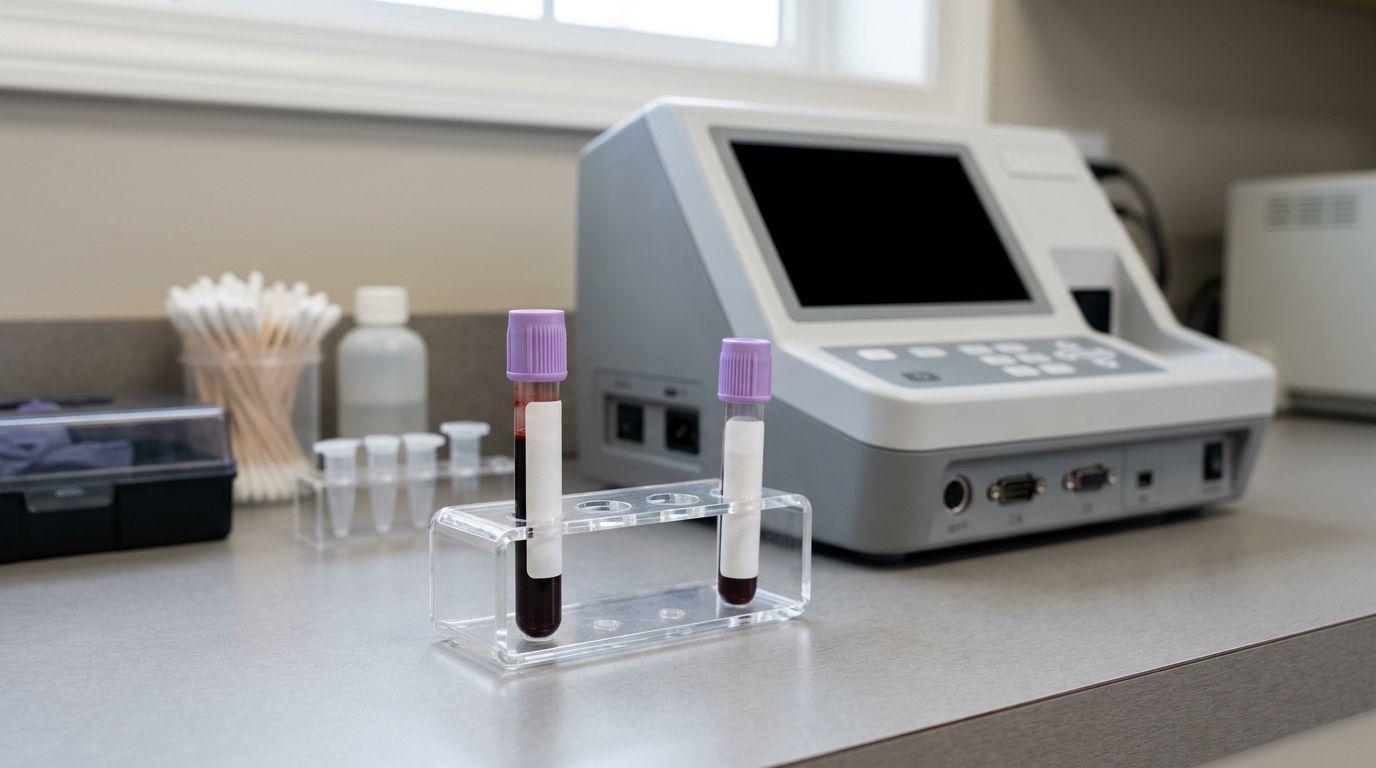
A veterinarian may review prior laboratory results, repeat a chemistry panel, or recommend additional screening such as a complete blood count and urinalysis.
Medication history is important, including prescription drugs, over-the-counter products, and supplements.
These details can help establish whether liver enzyme changes may be associated with another condition or a treatment your dog is receiving.
Bile Acid Testing and Other Investigations
Bile acid testing may help evaluate aspects of liver function and bile circulation.
Because an elevated enzyme result does not directly measure liver performance, this testing can sometimes provide useful additional information.
However, bile acid testing cannot independently identify every liver disorder, and normal results do not exclude all liver disease.
Other tests may be considered when the history or examination suggests a hormonal, metabolic, or systemic condition.
Abdominal Ultrasound and Further Diagnostics
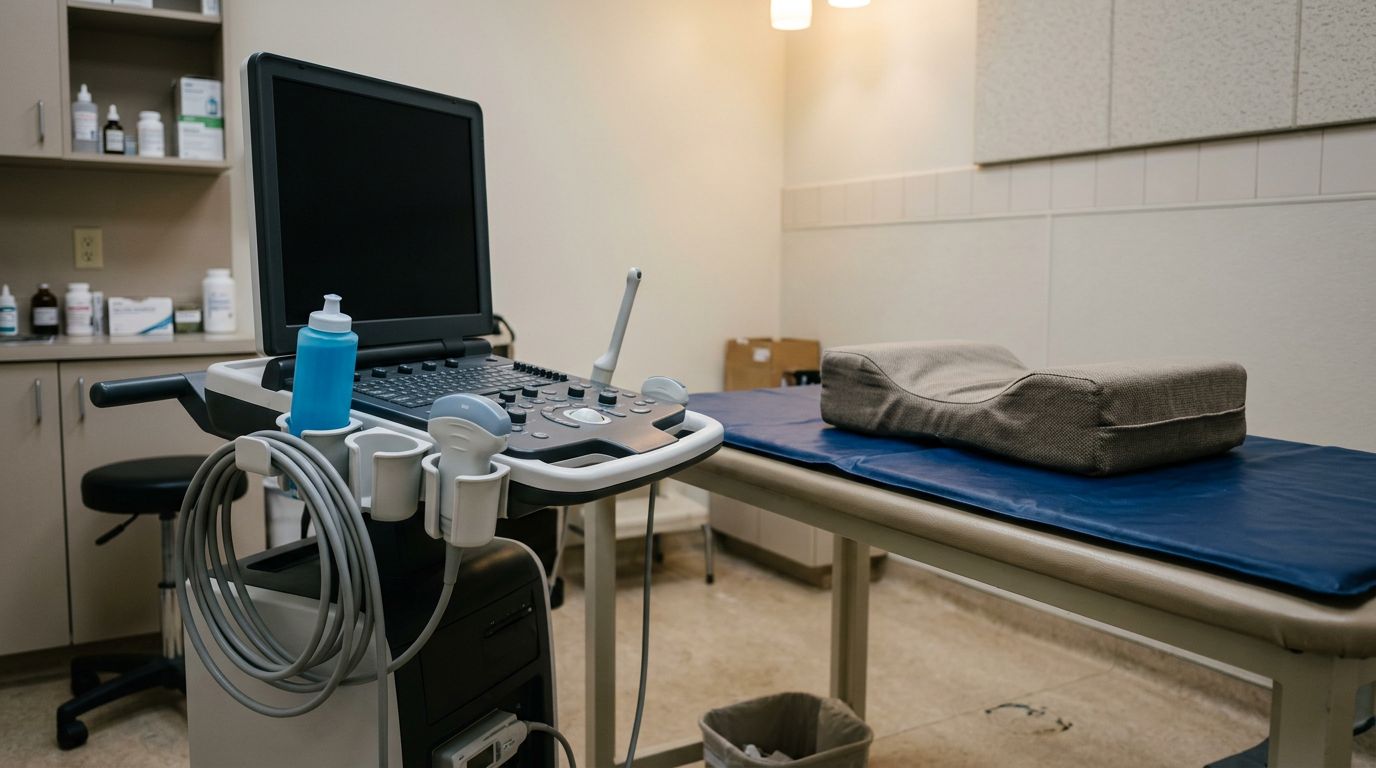
Ultrasonography allows veterinarians to examine the structure of the liver, gallbladder, and surrounding abdominal organs.
It may reveal abnormalities that cannot be identified through bloodwork alone, although imaging does not always establish a definitive diagnosis.
Adobe Veterinary Clinic has published an explanation of why diagnostic ultrasound examinations may be recommended.
In selected cases, additional sampling or biopsy may be considered. Such decisions depend on the suspected condition, potential benefits, and the dog’s overall health.
Not every abnormal liver enzyme result requires ultrasound or invasive testing.
What Happens if Your Older Dog’s Liver Enzymes Stay Elevated?
Persistent abnormalities generally warrant a discussion about whether further evaluation or treatment is appropriate.
Some dogs require ongoing monitoring. Others benefit from treatment directed at a diagnosed condition, such as an endocrine disorder or inflammatory liver disease.
If medication is contributing to an abnormality, your veterinarian may consider whether adjustments are appropriate. Any changes should account for the condition the medication was originally prescribed to manage.
Should You Change Your Dog’s Food or Add Liver Supplements?
An abnormal laboratory result is not enough to determine whether your dog needs a specialized diet.
Some liver conditions call for specific nutritional adjustments, while others do not. Unnecessary dietary restrictions may be inappropriate, particularly for senior dogs who already have difficulty maintaining body weight.
Likewise, supplements marketed for liver support are not suitable for every patient and may interact with medications.
Speak with your veterinarian before introducing supplements or making major dietary changes.
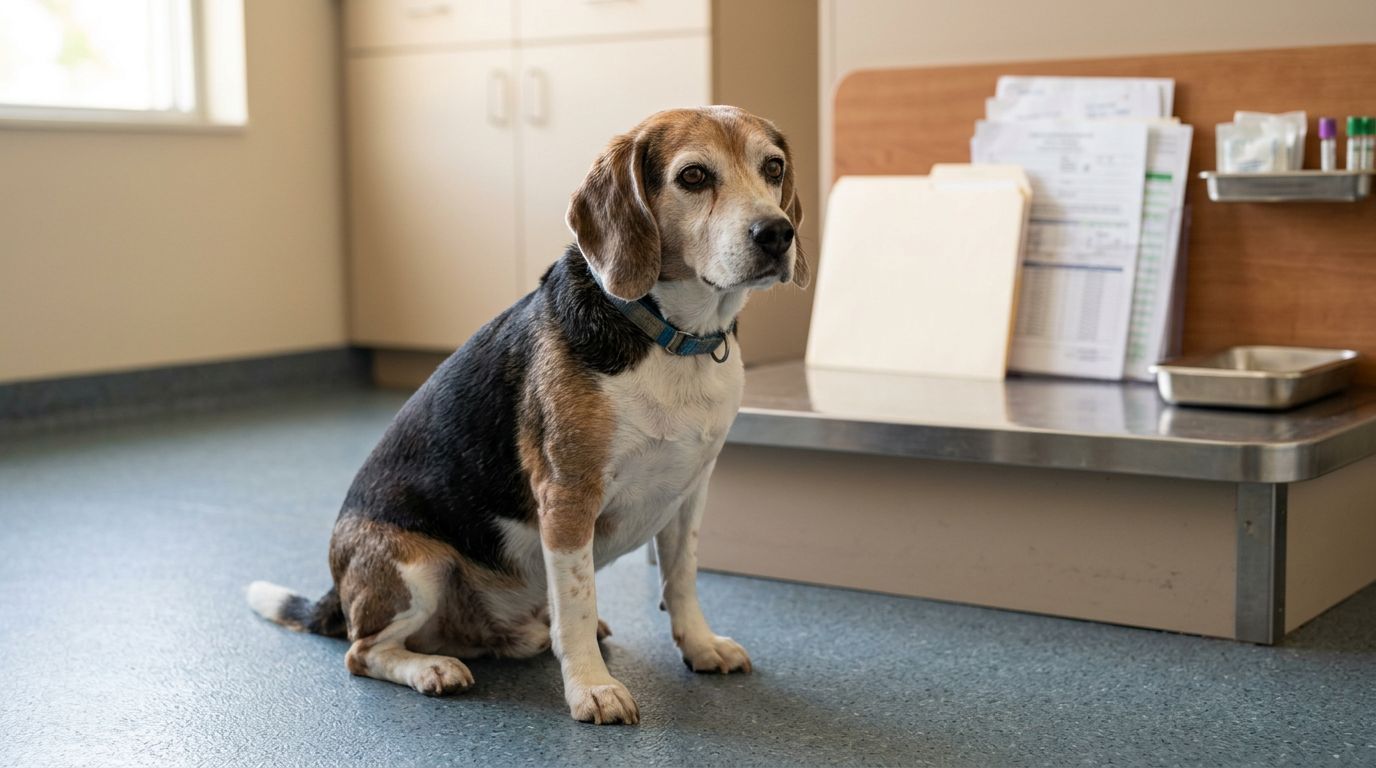
Evaluating Elevated Liver Enzymes at Adobe Veterinary Clinic in Mesa
At Adobe Veterinary Clinic, our internal medicine services provide a starting point for evaluating unexplained laboratory abnormalities and changes in your dog’s health.
Our veterinarians can examine your dog, review medical history, discuss bloodwork findings, and determine which additional diagnostic steps may be appropriate. The clinic works with IDEXX Laboratories for diagnostic testing and can incorporate laboratory findings into broader medical evaluations.
For Mesa and East Valley dog owners concerned about elevated liver enzymes in older dogs, the next step may involve reviewing previous results, investigating associated symptoms, or developing an appropriate follow-up plan.
Understanding why an abnormality occurred helps guide decisions about further testing, monitoring, and treatment.
Questions to Ask Your Veterinarian About Your Dog’s Liver Results
If your senior dog’s bloodwork is abnormal, consider bringing these questions to the next appointment:
- Which liver enzymes are elevated, and how far outside the reference range are they?
- Are any other bloodwork values abnormal?
- Could existing medical conditions or medications explain these findings?
- Would repeat testing help clarify what is happening?
- Is additional diagnostic testing recommended?
- What changes in my dog’s health should prompt an earlier examination?
Bring copies of previous laboratory reports when available, along with an updated medication and supplement list.
Frequently Asked Questions About Elevated Liver Enzymes in Older Dogs
Can an older dog have elevated liver enzymes without having liver disease?
Yes. Some enzyme abnormalities are associated with medications, hormonal conditions, or illnesses affecting other parts of the body. Veterinarians interpret bloodwork alongside the dog’s symptoms, physical examination, and medical history. Even when a dog appears healthy, persistent abnormalities may require further investigation.
Why would my senior dog’s ALP be high when the other liver values are normal?
High ALP in older dogs can occur with medication exposure, certain hormonal disorders, or changes involving the liver and biliary system. An isolated ALP elevation does not establish a particular diagnosis. Your veterinarian may review medications, examine other laboratory findings, or recommend further testing based on the overall clinical picture.
Can medications cause elevated liver enzymes in older dogs?
Yes. Corticosteroids and certain anticonvulsants can affect liver enzyme levels. Some medications may increase enzyme activity without causing significant liver injury, while others can contribute to liver damage in susceptible animals. Medication changes should always be discussed with your veterinarian.
Will my dog need an ultrasound if liver enzymes remain elevated?
Not necessarily. Ultrasound can help identify structural abnormalities involving the liver or gallbladder, but the decision depends on bloodwork patterns, symptoms, medical history, and previous test results. Some dogs may benefit from repeat laboratory testing or other investigations first.
Can elevated liver enzymes return to normal without medication?
They sometimes can, particularly when an underlying cause resolves or a contributing factor is addressed. However, normalization is not guaranteed, and an improvement in enzyme activity does not always establish that an underlying condition has resolved. Your veterinarian can determine whether monitoring, further diagnosis, or treatment is appropriate.
Schedule a Veterinary Examination in Mesa
If your senior dog has abnormal liver bloodwork or is showing signs of liver disease in older dogs, contact Adobe Veterinary Clinic to discuss an examination. Understanding the results and your dog’s overall health can help determine the most appropriate next steps.
Adobe Veterinary Clinic
6454 E. Main Street
Mesa, AZ 85205
Phone:
(480) 832-2240
Contact Adobe Veterinary Clinic to request an appointment.
If your dog is experiencing serious symptoms such as collapse, seizures, or marked disorientation, seek emergency veterinary care immediately rather than waiting for a routine appointment.
Request a Veterinary Examination