


Medical Boarding in Mesa: Why Senior and Diabetic Pets Need Vet-Supervised Care
Leaving an older or diabetic pet in someone else’s care requires more planning than arranging meals, walks, and a comfortable place to sleep. A senior dog may need arthritis medication at specific times. A diabetic cat may require insulin, a consistent feeding routine, and someone who knows what to do if its appetite suddenly changes.
These details become particularly important when an owner is traveling and cannot respond immediately to a problem.
For Mesa pet owners, medical boarding in Mesa offers an option worth considering when a dog or cat has health needs that require additional attention. However, not every senior pet needs specialized care, and veterinary boarding facilities differ in what they can provide.
Before making arrangements, it’s worth understanding which medical services your pet actually needs and how a boarding facility will handle them.
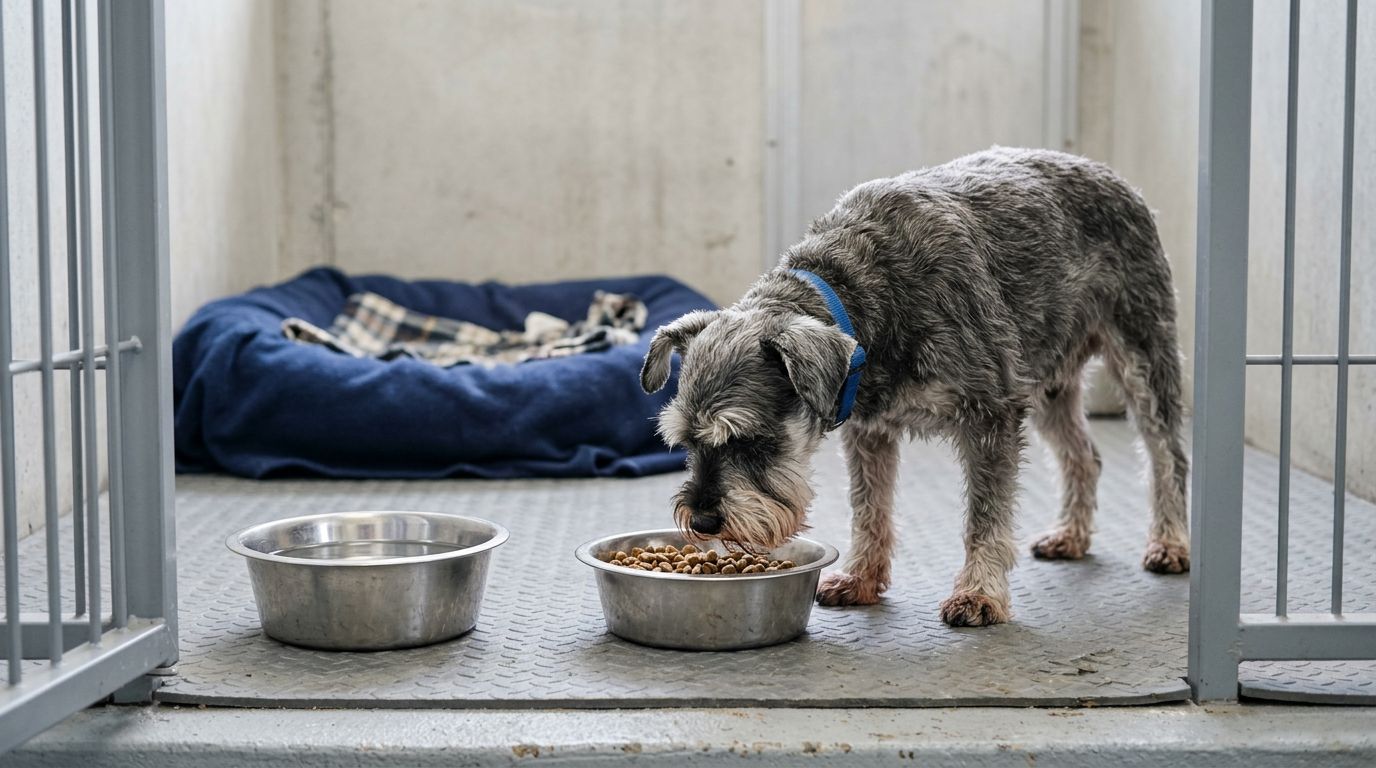
What Is Medical Boarding, and How Is It Different From Regular Pet Boarding?
Most boarding facilities provide feeding, housing, exercise opportunities, and general observation. Medical boarding adds some level of support for animals with health conditions, medications, or physical limitations.
The distinction matters because boarding pets with medical needs requires a provider to understand more than the animal’s daily routine.
What Veterinary Oversight May Add
A veterinary boarding facility may have personnel experienced in administering prescribed medications, recognizing clinical changes, and coordinating medical assessment when necessary.
For pets with chronic conditions, this can be valuable. An animal that stops eating or becomes unusually lethargic may require more attention than a routine change in boarding behavior would ordinarily receive.
Owners considering veterinary boarding in Mesa should ask precisely which services are available and when veterinary personnel are present.
Why the Actual Services Matter More Than the Label
“Medical boarding” does not have one universal definition.
A facility that administers daily medications may not provide continuous blood-glucose monitoring, overnight veterinary observation, or treatment for unstable medical conditions.
Before booking, confirm that the provider can follow your pet’s individual treatment plan, including any medication schedules that fall outside normal business hours.
Why Senior Dogs and Cats May Need Additional Attention During Boarding
An older pet’s boarding needs depend much more on its health and mobility than its age alone.
The AAHA Senior Care Guidelines emphasize individualized assessment, including chronic disease, physical function, and changes in behavior.
Mobility Challenges and Chronic Pain
Dogs with osteoarthritis may have difficulty rising after resting or walking comfortably on unfamiliar flooring. Older cats may struggle to access elevated resting areas or litter boxes that require climbing.
Suitable accommodations can reduce unnecessary discomfort, but owners should ask what is actually available rather than assuming every facility has specialized mobility equipment.
Multiple Medications and Health Conditions
A senior pet may take several medications for unrelated conditions. Different administration times, food requirements, and monitoring instructions can make the routine complicated.
Reliable senior pet boarding begins with determining whether staff can administer those medications as prescribed and recognize signs that the animal’s condition has changed.
Cognitive Changes and Familiar Routines
Some older pets experience confusion, altered sleep patterns, or anxiety associated with cognitive decline.
An unfamiliar environment may be particularly challenging for these animals. Adobe has a separate article discussing cognitive changes in senior pets.
A healthy senior pet may do well with ordinary boarding. Others may benefit from additional assistance or carefully arranged care at home.

Why Diabetic Dogs and Cats Require More Careful Boarding Planning
Diabetes management becomes more complicated when the person providing care is unfamiliar with a pet’s normal appetite, treatment schedule, or behavior.
The 2026 AAHA Diabetes Management Guidelines for Dogs emphasize individualized insulin treatment, appropriate monitoring, and attention to clinical signs.
Consistent Feeding and Insulin Administration
Most diabetic dogs require insulin treatment. Many diabetic cats also receive insulin, although feline treatment plans can differ.
Owners arranging diabetic dog boarding should provide the current veterinarian-approved feeding and insulin instructions before the stay begins.
The care provider needs to know the prescribed medication, administration schedule, food requirements, and whom to contact if something changes.
What Happens if a Diabetic Pet Refuses Food?
This is among the most important questions to resolve before boarding.
Reduced food intake can affect insulin treatment and increase the risk of dangerous blood-glucose changes. A stressed pet may also eat differently in an unfamiliar environment.
The caregiver needs a clear, patient-specific plan from the treating veterinarian for missed meals, vomiting, or other changes.
Insulin doses should never be guessed at or adjusted according to a generic boarding policy.
Recognizing Dangerous Blood Sugar Changes
Hypoglycemia, or low blood glucose, may cause weakness, trembling, unsteadiness, unusual behavior, seizures, or collapse.
Diabetic ketoacidosis is another serious complication that can involve vomiting, poor appetite, dehydration, and pronounced illness.
Both conditions can require emergency veterinary treatment.
Glucose Monitoring Is a Separate Service
The ability to administer insulin does not automatically mean a facility performs glucose curves, uses continuous glucose monitors, or adjusts treatment plans.
These services should be discussed in advance, especially when a pet’s diabetes has been difficult to regulate.
What Should Vet-Supervised Boarding Include for a Medically Complex Pet?
The most useful way to evaluate a boarding provider is to compare the animal’s actual medical requirements with the facility’s available services.
Accurate Medication Administration
Staff need written medication instructions, including prescribed amounts, administration times, and relevant handling requirements.
Owners should ask how medications are documented and what happens if a dose cannot be administered.
Observation of Appetite, Water Intake, and Behavior
Changes in eating, drinking, elimination, or normal activity can provide important information about a pet’s health.
A useful care plan identifies which changes should prompt contact with the owner or veterinarian.
Appropriate Physical Accommodations
An arthritic dog may require comfortable bedding and assistance with mobility. An older cat may benefit from easily accessible litter facilities and quiet resting areas.
The appropriate arrangements depend on the animal’s condition and the facility’s resources.
A Defined Medical Response Plan
Boarding pets with medical needs also requires an established process for handling unexpected problems.
Ask who makes medical decisions, how the owner will be contacted, and where the animal will receive care during an after-hours emergency.
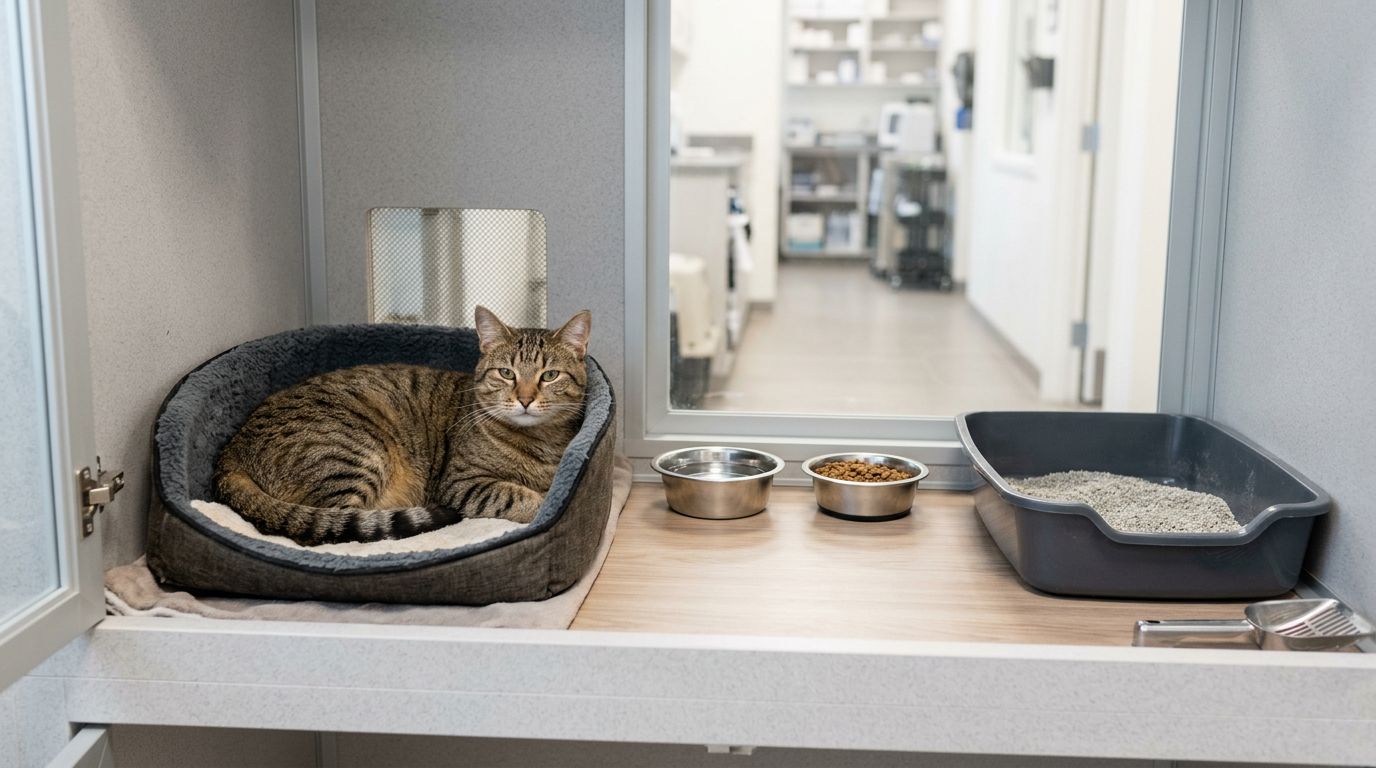
Medical Boarding vs. an Experienced Pet Sitter: Which Is Better?
A veterinary facility may be preferable for certain medical needs, while a qualified in-home caregiver may be better for an animal that finds unfamiliar environments particularly stressful.
Neither arrangement is automatically suitable for every pet.
| Consideration | Veterinary Boarding | Qualified In-Home Care |
|---|---|---|
| Environment | Boarding facility | Familiar home environment |
| Medication administration | Depends on staffing and services | Depends on caregiver training |
| Veterinary access | May be available during staffed hours | Usually requires contacting or traveling to a clinic |
| Overnight monitoring | Must be confirmed | Depends on caregiver’s availability |
| Stress | Some pets may find the environment unfamiliar | Familiar surroundings may benefit certain animals |
| Emergencies | Requires a verified response plan | Requires emergency contacts and transportation arrangements |
An experienced sitter who understands a pet’s medical condition may provide appropriate care for some stable patients.
Other animals may benefit from veterinary boarding because their health needs involve closer observation or more complicated medication administration.
The important consideration is whether the provider can safely follow the veterinarian’s treatment instructions.
Questions to Ask Before Boarding a Senior or Diabetic Pet
Before making a reservation, discuss your pet’s medical history directly with the boarding provider.
Useful questions include:
- Can you accommodate my pet’s specific condition?
- Who administers medications and insulin?
- Can staff follow the prescribed medication schedule?
- What happens if my pet refuses a meal?
- Is blood-glucose monitoring available if prescribed?
- Are pets checked overnight?
- How are after-hours emergencies handled?
- How do staff document medication administration?
- Are there additional medical care charges?
- What health records or examinations are required?
Answers to these questions are especially important when evaluating diabetic dog boarding arrangements because insulin timing, feeding, and unexpected changes require careful coordination.
Get important medical arrangements confirmed before leaving your pet.
How to Prepare Your Pet for Medical Boarding
Good preparation gives the boarding provider a clearer understanding of the animal’s normal health and daily needs.
Arrange a Health Review Before Travel
If your pet has recently started medication, developed new symptoms, or experienced changes in a chronic condition, discuss boarding suitability with your veterinarian.
A recent annual veterinary wellness examination may provide useful health information, although a new concern can require a separate assessment.
Pack Medications and Feeding Supplies
Bring prescribed medications in their original labeled containers, along with any supplies required for administration.
For diabetic pets, confirm that insulin, appropriate syringes or injection devices, food, and other necessary supplies are included.
Ask the boarding facility about storage arrangements before arrival.
Provide Written Medical Instructions
Include medication schedules, feeding requirements, recent treatment changes, and emergency contacts.
For insulin-treated pets, obtain specific veterinary directions for situations involving reduced food intake, vomiting, or suspected hypoglycemia.
Explain Your Pet’s Normal Behavior
Tell staff how much your pet typically eats and drinks, whether mobility limitations are present, and what changes would be unusual.
These details are particularly helpful for senior pet boarding, where subtle differences in activity or appetite may otherwise be attributed to age.
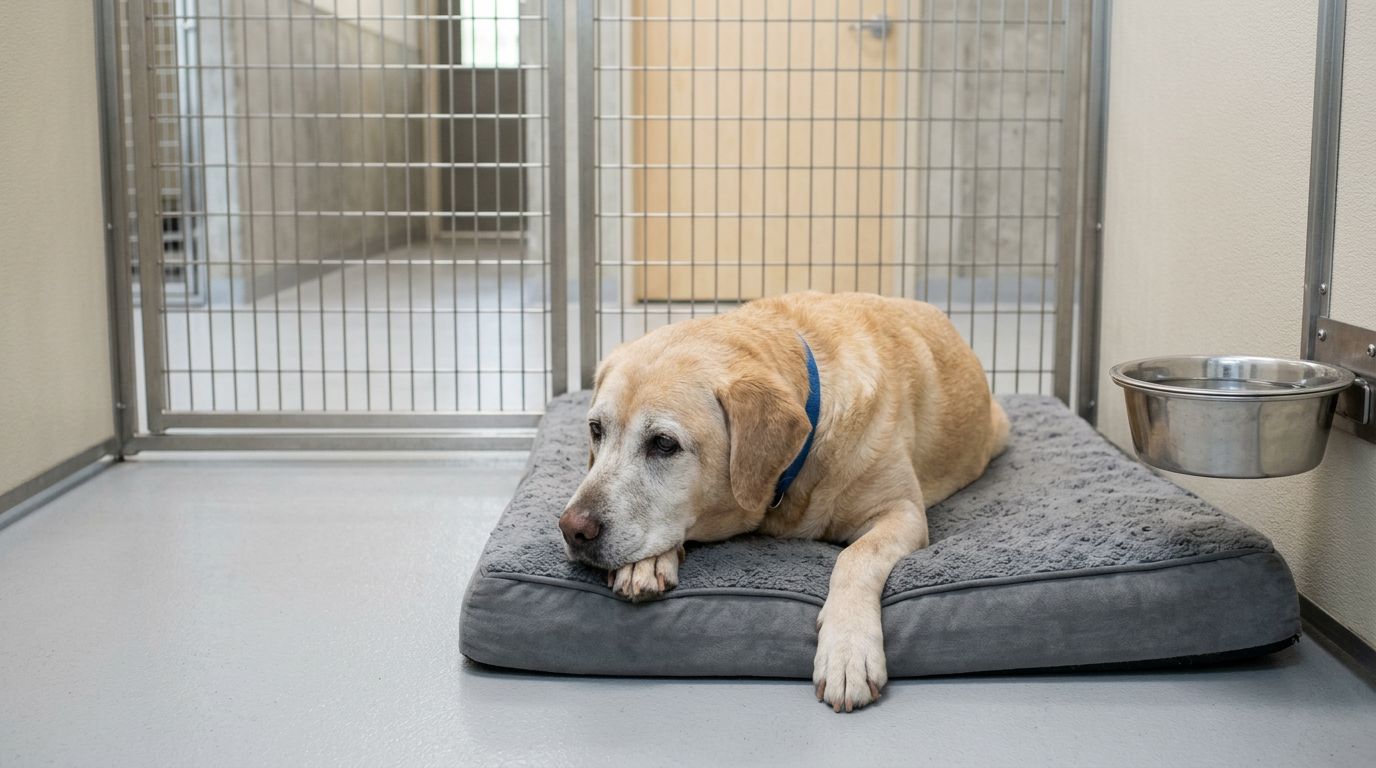
When Medical Boarding May Not Be Appropriate
Some animals need more intensive care than a boarding facility can provide.
A pet with unstable diabetes, severe ongoing illness, frequent medical emergencies, or a condition requiring continuous observation may need hospitalization or another specialized arrangement.
Other pets may be medically stable but experience substantial distress in unfamiliar surroundings. An appropriately trained in-home caregiver could be a reasonable alternative.
Discuss the animal’s current condition with the treating veterinarian before assuming ordinary boarding is appropriate.
Veterinary boarding should never be treated as a substitute for inpatient medical care.
Medical Boarding at Adobe Veterinary Clinic in Mesa
Adobe Veterinary Clinic provides boarding services for dogs and cats at its Mesa facility.
The clinic describes separate areas for dogs and cats, climate-controlled accommodations, medication administration, and observation of eating, drinking, and elimination habits.
Its veterinary team also provides internal medicine services for animals requiring medical evaluation.
For owners considering medical boarding in Mesa, these services make Adobe worth contacting when a pet has additional health requirements.
However, diabetic or medically complex patients should be discussed with the clinic before scheduling. Confirm whether the prescribed medication times, monitoring requirements, and other care needs can be accommodated.
The clinic’s published information does not establish continuous overnight veterinary staffing, so owners should ask about after-hours supervision and emergency procedures.
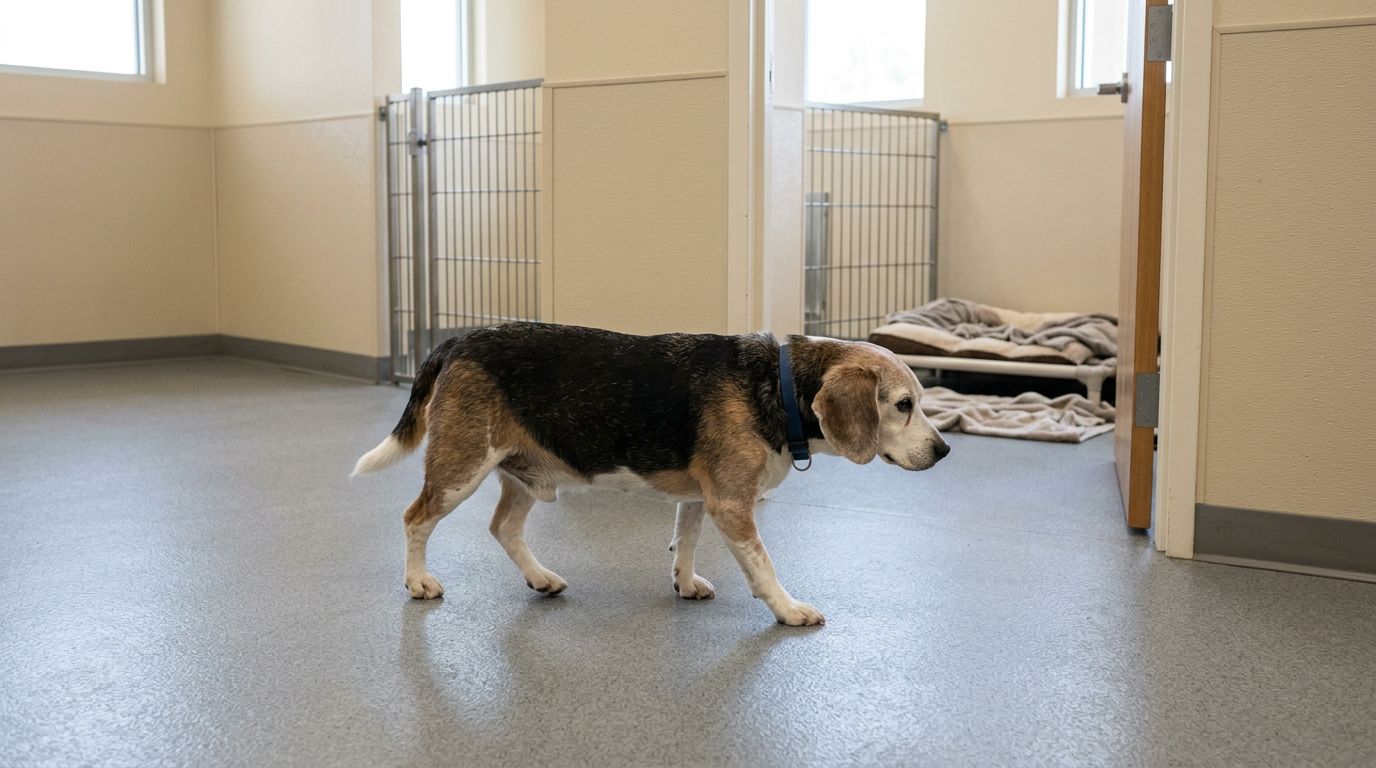
Your Pre-Boarding Checklist for a Senior or Diabetic Pet
Before leaving your pet:
- Confirm that the facility accepts pets with the relevant medical condition.
- Review medication, insulin, and feeding instructions.
- Pack medications and administration supplies.
- Provide current medical records and emergency contacts.
- Discuss overnight supervision and emergency arrangements.
- Confirm vaccination and boarding requirements.
- Explain mobility limitations or unusual behaviors.
- Obtain agreement on how health changes will be handled.
Planning these details before departure helps avoid preventable confusion during the stay.
Frequently Asked Questions About Medical Pet Boarding in Mesa
Can a diabetic dog or cat stay at a veterinary boarding facility?
Some veterinary boarding facilities accommodate diabetic dogs and cats, but acceptance depends on the animal’s health and the services available. Insulin administration, feeding schedules, and any prescribed monitoring must be confirmed before booking. Pets with unstable diabetes may require a different level of medical care.
What happens if my diabetic pet refuses food while boarding?
The boarding provider should follow a patient-specific plan established by the treating veterinarian. Reduced food intake can change insulin-related risks, so medication adjustments should never be improvised. Persistent refusal to eat, vomiting, weakness, or other concerning symptoms warrant prompt veterinary evaluation.
Does medical boarding include overnight veterinary monitoring?
Not necessarily. A veterinary boarding facility may have doctors available during operating hours without providing continuous overnight medical supervision. Ask whether staff are physically present overnight, how frequently animals are checked, and what procedures apply during emergencies outside regular clinic hours.
Is veterinary boarding better for an older pet with arthritis or mobility problems?
It depends on the animal’s needs and the facility’s accommodations. Some senior pets benefit from staff experienced in recognizing discomfort and administering medications. Others may be more comfortable at home with a qualified caregiver. Discuss mobility requirements, bedding, elimination access, and medication needs before choosing.
What medications and medical records should I bring when boarding my pet?
Bring prescribed medications in their original labeled containers, along with written instructions, necessary administration supplies, feeding information, and relevant medical records. Include the treating veterinarian’s contact details and an emergency contact. Confirm the facility’s vaccination requirements and any additional documentation needed before arrival.
Discuss Your Pet’s Boarding Needs With Adobe Veterinary Clinic
If you’re considering veterinary boarding in Mesa for a senior, diabetic, or medically complex pet, contact Adobe Veterinary Clinic before arranging the stay. Our team can discuss your animal’s needs, current boarding services, and whether the required care arrangements are available.
Adobe Veterinary Clinic
6454 E. Main Street
Mesa, AZ 85205
Phone:
(480) 832-2240
Contact Adobe Veterinary Clinic to discuss boarding eligibility, medication requirements, and scheduling.
Ask About Medical Boarding