

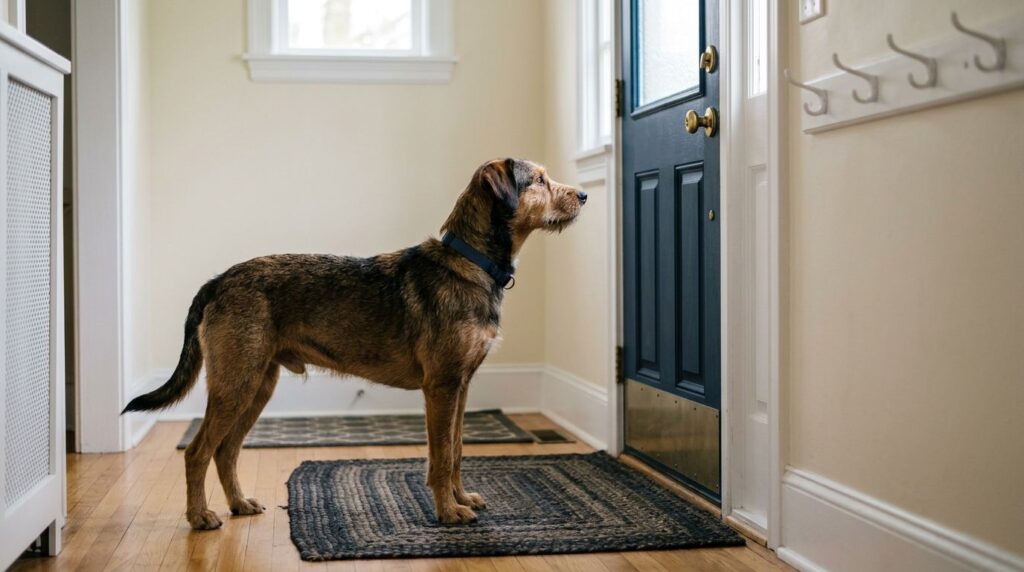
Separation Anxiety After Vacation: Helping Your Pet Readjust to Your Work Schedule
Your work schedule may feel familiar after a vacation, but your pet has probably grown accustomed to having you around more often. Walks happen at different times, play sessions last longer, and there may be someone home throughout much of the day. Once you return to work, those routines change again.
Some dogs and cats adjust without much difficulty. Others become more vocal, restless, or unusually attached to their owners. You might even notice behaviors that weren’t present before your trip.
Pet separation anxiety after vacation is a concern worth understanding, although changes in behavior don’t automatically mean your pet has developed an anxiety disorder. The important questions are what happens when your pet is alone, how consistently those behaviors occur, and whether the transition is causing genuine distress.
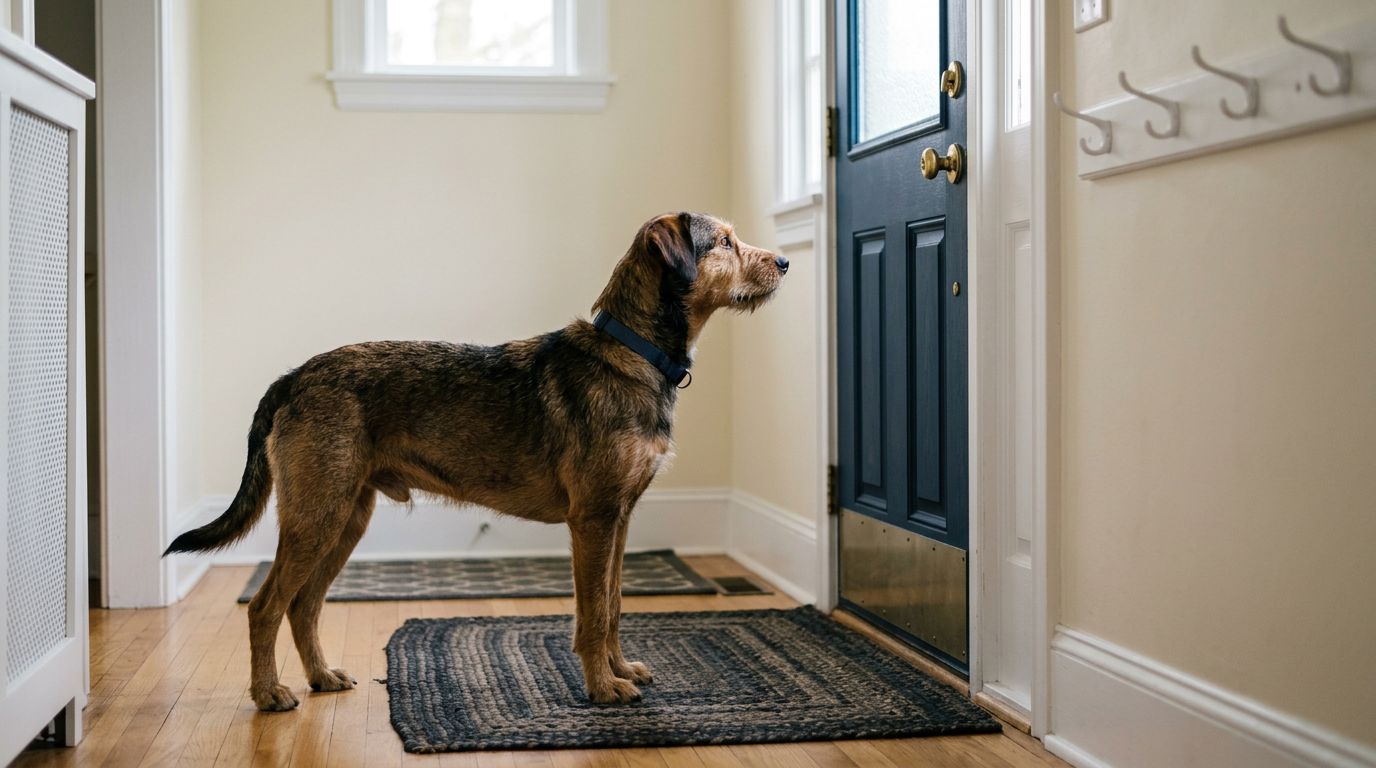
Why Vacation Can Disrupt Your Pet’s Normal Routine
Dogs Become Accustomed to Increased Attention
Dogs often organize their days around familiar activities. Morning walks, meals, playtime, and opportunities to interact with family members give them a predictable rhythm.
During vacation, that rhythm can change considerably. Your dog may accompany you on outings, spend additional time playing, or simply enjoy having someone nearby throughout the day.
The return to work can create an abrupt adjustment, especially for dogs that already struggle with being alone.
Dog separation anxiety after vacation may become apparent when familiar departure routines resume and a dog begins anticipating a long absence.
Cats Notice Changes in Household Activity, Too
Cats can also respond to changes in household schedules. Some enjoy the additional interaction, while others may find increased activity disruptive to their preferred resting patterns.
Returning to work changes the environment again. Feeding times, play opportunities, and the amount of activity around the home may shift.
Individual temperament and previous experiences influence how a cat responds. Increased attention-seeking after vacation doesn’t necessarily indicate an underlying behavioral disorder.
Is It Separation Anxiety or Temporary Adjustment?
A pet that follows you around more frequently after vacation may simply be responding to a change in routine. Separation-related distress usually involves a more concerning pattern of behavior associated with your departure or absence.
Common Signs of Separation-Related Distress in Dogs
Dogs experiencing separation anxiety may exhibit:
- Persistent barking, whining, or howling when left alone.
- Repeated pacing or an inability to settle.
- Panting or excessive salivation.
- Scratching or chewing around exits.
- Attempts to escape.
- Urination or defecation during absences.
- Refusal to eat when their owner leaves.
These behaviors can occur for other reasons, including medical problems, insufficient opportunities to eliminate, or environmental stress.
Pet separation anxiety after vacation should be considered in the context of when symptoms occur and how the dog behaves before, during, and after an absence.
How Separation-Related Problems May Appear in Cats
Cats experiencing distress may become unusually vocal, change their grooming habits, hide more frequently, or show differences in eating and litter box behavior.
However, changes in urination, appetite, or grooming should never automatically be attributed to anxiety. Urinary disease, pain, and other medical conditions can produce similar signs.
An examination may be necessary before a behavioral explanation can be established.
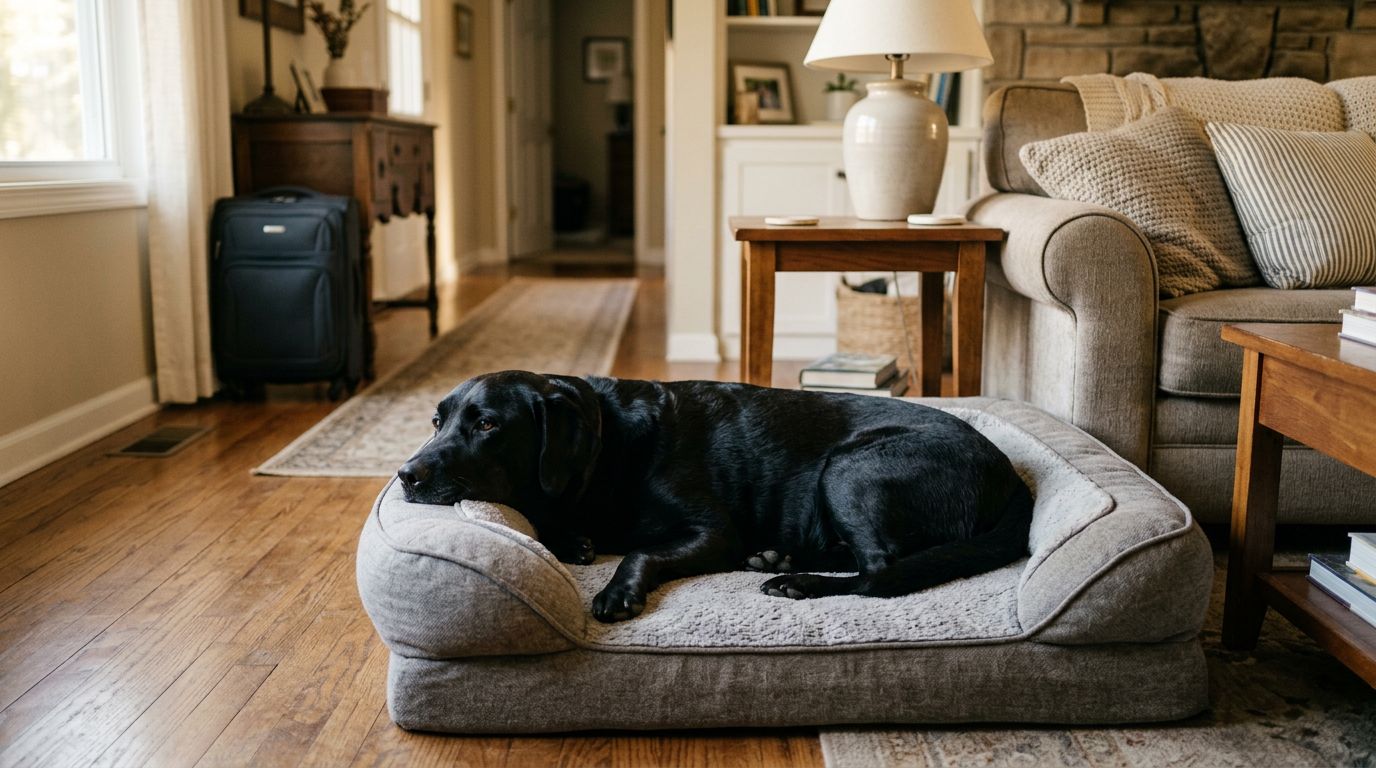
Start Rebuilding Your Pet’s Workday Routine Before Vacation Ends
If you still have time before returning to work, begin restoring the schedule your pet will experience once vacation ends.
Restore Normal Feeding, Walking, and Play Schedules
Move meals, exercise, and interactive play toward the times you can realistically maintain during the workweek.
For dogs, that might mean shifting a leisurely late-morning walk back to the time you normally leave for work. For cats, it may involve returning to regular morning and evening play sessions.
Predictability can help reduce uncertainty, but maintaining a routine doesn’t guarantee that a distressed pet will become comfortable alone.
Encourage Comfortable Independent Activities
Provide opportunities for your pet to rest or enjoy suitable activities without constant interaction.
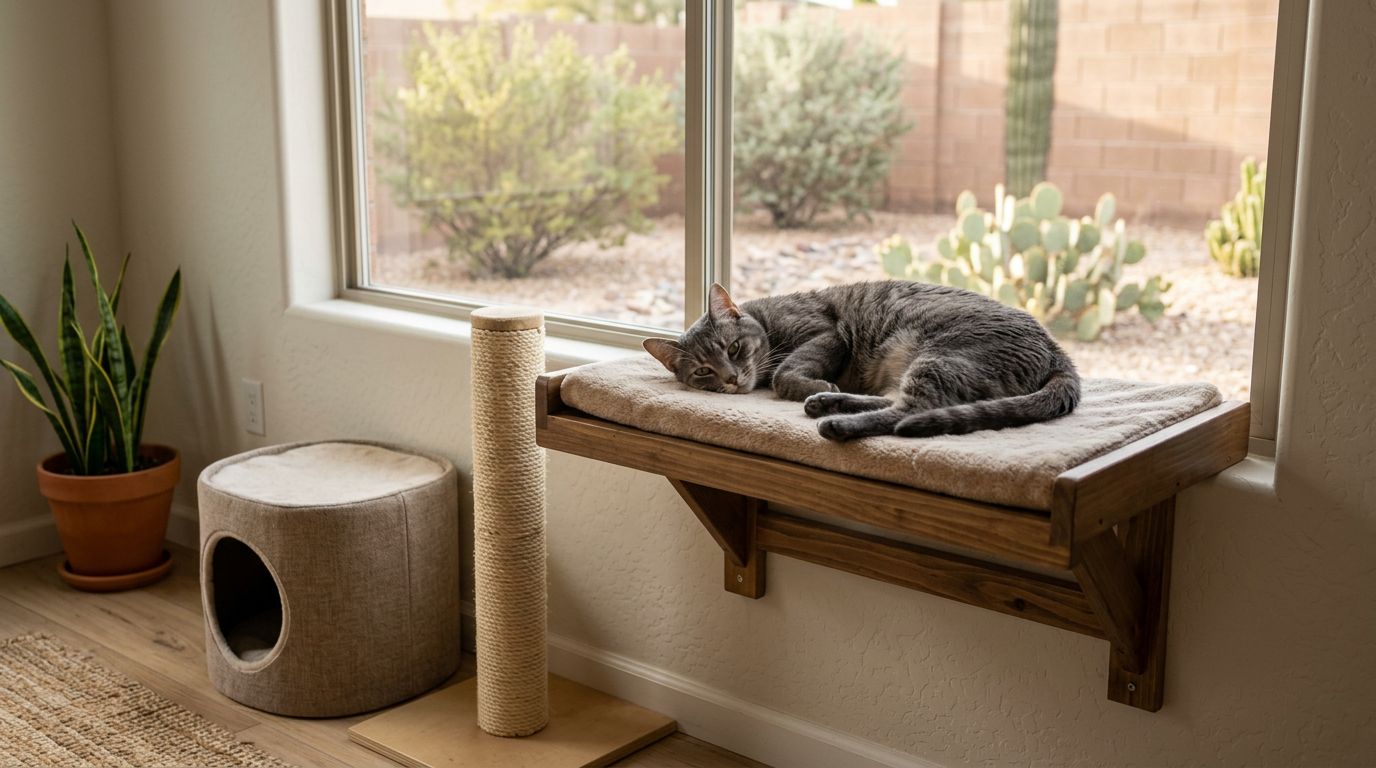
Dogs may benefit from scent games or food puzzles, while cats may enjoy climbing structures, scratching surfaces, and comfortable resting spaces.
These activities should remain optional and appropriate for the individual animal.
Prepare for the Actual Workday
Consider how long your pet will be alone and whether temporary support is needed.
A dog walker, trusted sitter, or suitable daytime care arrangement may help bridge the transition for some pets. An animal showing significant distress may need additional professional guidance before tolerating longer absences.
How to Help a Dog Feel Comfortable Being Alone Again
Owners researching how to help a dog with separation anxiety often encounter recommendations to increase alone time gradually. That principle is useful, but the starting point must reflect what the individual dog can tolerate.
Begin With Absences Your Dog Can Handle
Start with a separation short enough that your dog remains relaxed. Depending on the animal, that might mean stepping into another room briefly or practicing a very short departure.
Watch for changes in breathing, movement, vocalization, and attention toward the door.
Increase the duration only while your dog remains comfortable. If distress begins, shorten the next practice session rather than continuing to extend the absence.
Practice Departure Cues Without Always Leaving
Some dogs become anxious when they notice keys, work shoes, or a bag being picked up.
For dogs that react to those cues, occasionally performing the routine without leaving may help reduce the association between the cue and a prolonged absence.
This approach requires patience, particularly when the dog has a long history of becoming distressed around departures.
Use Enrichment Appropriately
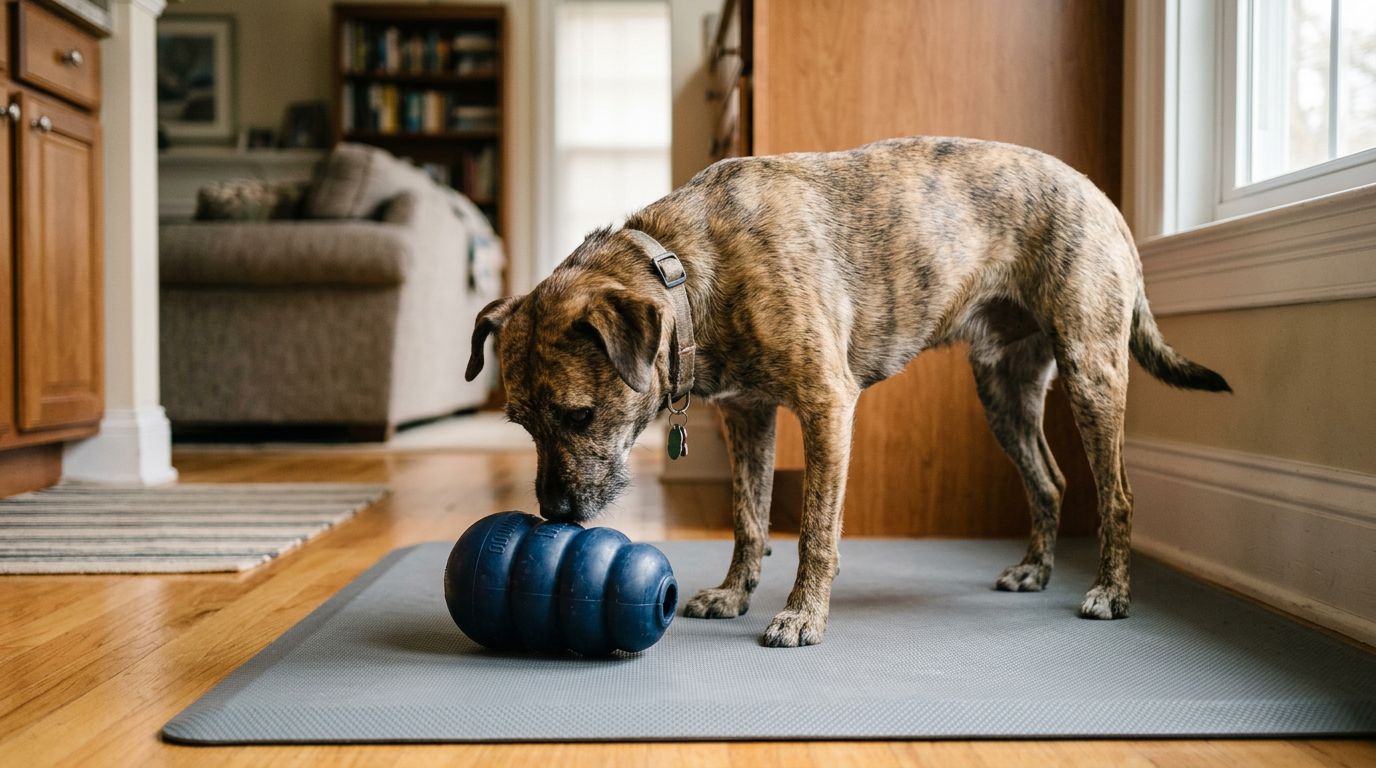
A safe, food-filled puzzle or familiar chew activity may provide an enjoyable distraction for a dog experiencing mild adjustment difficulties.
However, dogs with significant separation anxiety often refuse food once their owners leave. An untouched treat can be useful information about the dog’s emotional state.
Choose unattended items carefully to avoid choking or ingestion hazards.
Recognize When Training Is Moving Too Quickly
Dog separation anxiety when returning to work can worsen when practice departures repeatedly trigger panic.
If your dog is pacing continuously, howling, attempting to escape, or unable to settle, seek veterinary guidance rather than forcing longer absences.
The ASPCA’s separation anxiety guidance describes gradual desensitization as a process that must remain below the dog’s distress threshold.
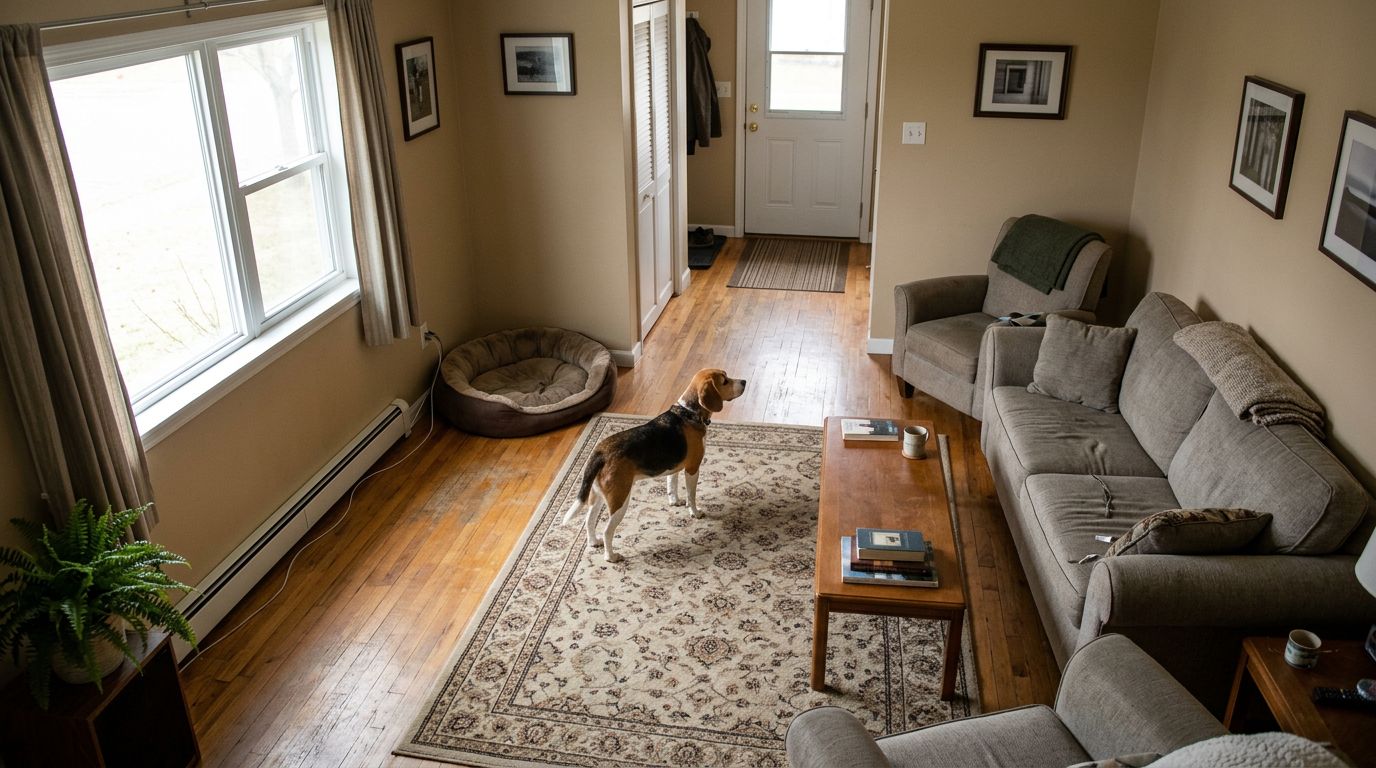
Helping Cats Adjust When You Return to Work
Separation anxiety in cats deserves a different approach from canine separation training. Feline behavior is strongly influenced by environmental predictability, access to resources, and opportunities to engage in normal activities.
Keep Feeding and Play Predictable
Return to reasonably consistent meal and play schedules. Brief interactive play sessions before and after work can provide activity and social interaction without requiring constant attention throughout the day.
Make the Home Comfortable
Provide access to familiar resting areas, hiding spaces, scratching posts, and elevated perches.
Food puzzles may encourage exploration, provided they suit your cat’s abilities and dietary needs.
Keep litter boxes, water, and other essential resources accessible. Cats should never have access to normal resources restricted as a way of encouraging independence.
Watch for Changes That Need Medical Attention
Separation anxiety in cats can be difficult to distinguish from other causes of behavioral change.
An increase in vocalization or following behavior may reflect routine disruption, while appetite loss, inappropriate elimination, or excessive grooming could indicate illness.
If these problems develop, contact your veterinarian rather than assuming your cat is upset about being left alone.
What If You Have Already Returned to Work?
You may only recognize a problem once you’ve resumed your usual schedule. Perhaps a neighbor mentions persistent barking, or you arrive home to find damage around the door.
There’s still useful information you can gather.
Observe What Happens After You Leave
A home camera can reveal whether your pet settles after departure or remains distressed.
For dogs, watch for repeated pacing, vocalization, panting, and attempts to escape. Recordings can also help your veterinarian understand the timing and severity of the behavior.
Video provides observations, not an independent diagnosis.
Make Temporary Adjustments Where Possible
If your pet is struggling, consider whether a trusted person can visit during the day or whether your work schedule offers temporary flexibility.
Arrangements should reflect the animal’s temperament. Daycare or boarding may suit some pets but could increase stress for others.
Avoid Repeated Episodes of Severe Distress
Dog separation anxiety when returning to work may require a professionally guided treatment plan, particularly when a dog cannot tolerate even brief absences.
If your pet is repeatedly panicking, extending the time alone is unlikely to teach comfortable independence.
Addressing pet separation anxiety after vacation may involve temporarily changing care arrangements while a veterinarian or qualified behavior professional helps develop a manageable approach.
Mistakes That Can Make Separation Anxiety Worse
Punishing Behavior After Returning Home
Chewed furniture, accidents, and excessive vocalization can be frustrating. Punishment after the event won’t address the cause of separation-related fear and may increase stress.
Forcing Longer Periods Alone
Leaving a distressed animal alone until it stops protesting can intensify anxiety. Practice should progress according to the animal’s tolerance.
Assuming Crate Confinement Always Helps
Some dogs find a familiar crate comfortable. Others become more distressed when confined, particularly if they attempt to escape.
A crate should never be used to force a panicking dog to remain in an enclosed space.
Expecting Toys to Resolve Serious Anxiety
Food puzzles and enrichment support normal behavior, but they cannot replace appropriate treatment for significant distress.
Understanding how to help a dog with separation anxiety includes recognizing when home management is insufficient and professional evaluation is needed.
When Should You Talk to Your Veterinarian?
Persistent distress, significant behavioral changes, or symptoms affecting your pet’s health warrant veterinary attention.
Symptoms That Deserve Evaluation
Contact your veterinarian if your pet experiences ongoing anxiety, appetite changes, house soiling, excessive grooming, or noticeable changes in activity.
An annual pet wellness examination provides an opportunity to discuss behavior, although new or worsening symptoms may require an earlier appointment.
When More Urgent Care Is Necessary
Self-injury, dangerous escape attempts, severe illness, or an inability to eat or drink normally require prompt attention.
A cat repeatedly straining to urinate without producing urine needs immediate emergency veterinary care.
What Veterinary Evaluation May Involve
A veterinarian can review the animal’s medical and behavioral history, examine physical health, and determine whether additional diagnostic testing is appropriate.
Pain, urinary conditions, gastrointestinal disease, and other illnesses may contribute to behavior changes.
When separation-related distress is suspected, recommendations may include environmental changes, behavioral treatment, referral to a qualified professional, or veterinarian-prescribed medication when appropriate.
Helping Mesa Pets Adjust With Adobe Veterinary Clinic
At Adobe Veterinary Clinic, we care for dogs and cats throughout Mesa and surrounding East Valley communities.
If your pet develops concerning behavioral changes after vacation, a veterinary examination can help determine whether an underlying medical condition needs attention.
Our preventive veterinary care includes discussions about behavioral concerns, while internal medicine evaluations may be appropriate when symptoms suggest a physical health problem.
Adobe also offers veterinary boarding for dogs and cats for owners planning future travel. Boarding arrangements should be considered according to each animal’s needs and should not be treated as a guaranteed solution for separation anxiety.
A Practical Back-to-Work Checklist for Pet Owners
Before and after returning to work, consider these steps:
- Restore reasonably consistent feeding and activity schedules.
- Offer comfortable opportunities for independent rest and play.
- Practice manageable absences without provoking distress.
- Provide appropriate, safe enrichment.
- Observe behavior when your pet is alone.
- Arrange temporary care if necessary.
- Watch for changes in appetite, elimination, or activity.
- Contact your veterinarian when behavioral changes persist or worsen.
Adjust the plan to your pet’s response rather than following an arbitrary deadline.
Frequently Asked Questions About Pet Separation Anxiety After Vacation
Can a dog develop separation anxiety after spending a vacation with its owner?
A change in routine can contribute to separation-related distress, especially in dogs already prone to anxiety or unaccustomed to being alone. Dog separation anxiety after vacation should be evaluated by looking at behavior during actual absences. Additional attention-seeking after a trip does not independently establish a behavioral disorder.
How long does it take a pet to readjust after vacation?
There is no universal adjustment period. Some pets resume their previous routines relatively easily, while others need gradual behavioral support. The animal’s age, temperament, medical history, previous experience with solitude, and severity of distress all influence the process.
Should I leave my dog alone for short periods before returning to work?
For dogs that remain comfortable during brief separations, gradual practice may help prepare them for longer workday absences. Begin at a duration your dog tolerates without distress and increase cautiously. Dogs that panic during even very short departures should receive professional guidance.
Can cats experience separation anxiety when their owners return to work?
Yes, cats can develop separation-related behavioral problems, although symptoms and contributing factors vary. Increased vocalization, appetite changes, and altered litter box habits deserve careful assessment. A veterinarian can help distinguish behavioral concerns from medical conditions that may require treatment.
When should I contact a veterinarian about my pet’s anxiety?
Arrange an examination if symptoms are persistent, worsening, or interfering with eating, elimination, normal activity, or safety. Veterinary assessment is also appropriate when behavior changes appear suddenly. Serious symptoms, self-injury, or dangerous escape attempts require prompt attention.
Schedule a Veterinary Examination in Mesa
If pet separation anxiety after vacation is affecting your dog or cat, or you’re noticing unexplained changes in behavior, Adobe Veterinary Clinic can help evaluate your pet’s health and discuss appropriate next steps.
Adobe Veterinary Clinic
6454 E. Main Street
Mesa, AZ 85205
Phone: (480) 832-2240
Contact Adobe Veterinary Clinic to request an appointment.
Request a Veterinary Examination