

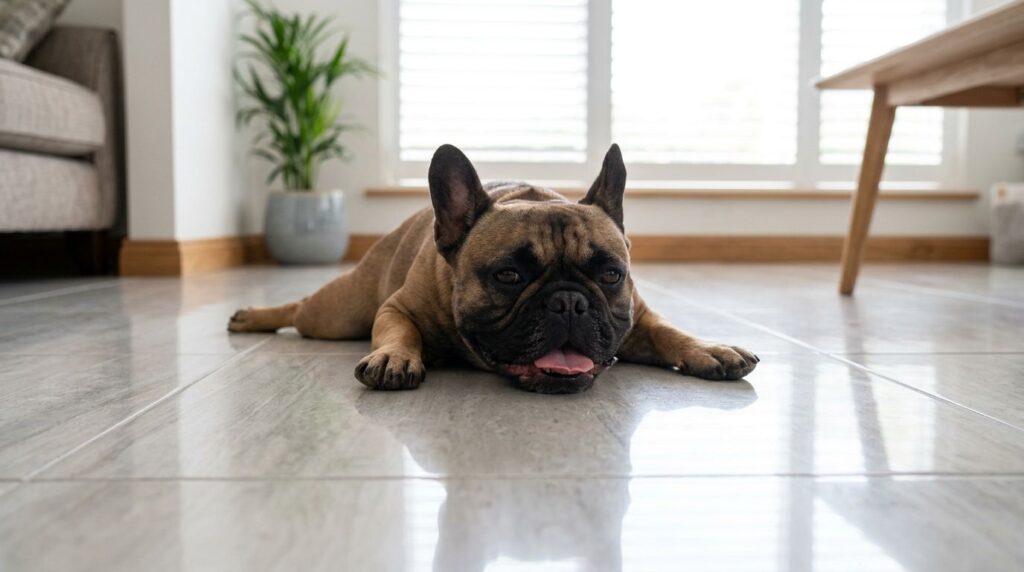
Summer afternoon temperatures across Mesa regularly soar past one hundred and ten degrees, transforming routine outdoor play into a swift medical hazard. Coping with extreme ambient warmth demands constant physical effort for dogs and cats living in the East Valley. Body temperatures climb rapidly when outdoor air exceeds normal internal thresholds. Understanding how heat affects small animals saves lives during hot Arizona months.
- Recognizing Early Warning Signs: The Clinical Indicators of Canine and Feline Heat Exhaustion
- The Critical Shift to Heat Stroke: Systemic Organ Strain and Cellular Damage
- Environmental Risk Factors: Car Interiors, Asphalt Pavement, and Breed Susceptibility
- Advanced Care at Adobe Veterinary Clinic: Solving High-Desert Health and Emergency Concerns
- High-Desert Prevention Routines: Protecting Mesa Pets Throughout Summer
- Essential Arizona Pet Thermal Safety Insights
- Partnering with Adobe Veterinary Clinic for Lifelong Desert Safety
Thermal illness exists on a progressive spectrum rather than occurring as a sudden, isolated event. Starting with early hyperthermia, commonly known as heat exhaustion, an overheated body struggles to shed excess thermal energy. Left unchecked, mild elevation can escalate into full-blown heat stroke within minutes. Heat stroke can trigger catastrophic cellular breakdown, organ failure, and systemic collapse.
Recognizing subtle physical warnings gives owners time to take life-saving action. Simple home cooling steps can help during initial distress, yet advanced hyperthermia requires immediate clinical intervention. At Adobe Veterinary Clinic, our emergency medical team provides fast thermal stabilization, advanced diagnostic monitoring, and intensive fluid therapy to protect East Valley pets when high temperatures threaten their lives.
Recognizing Early Warning Signs: The Clinical Indicators of Canine and Feline Heat Exhaustion
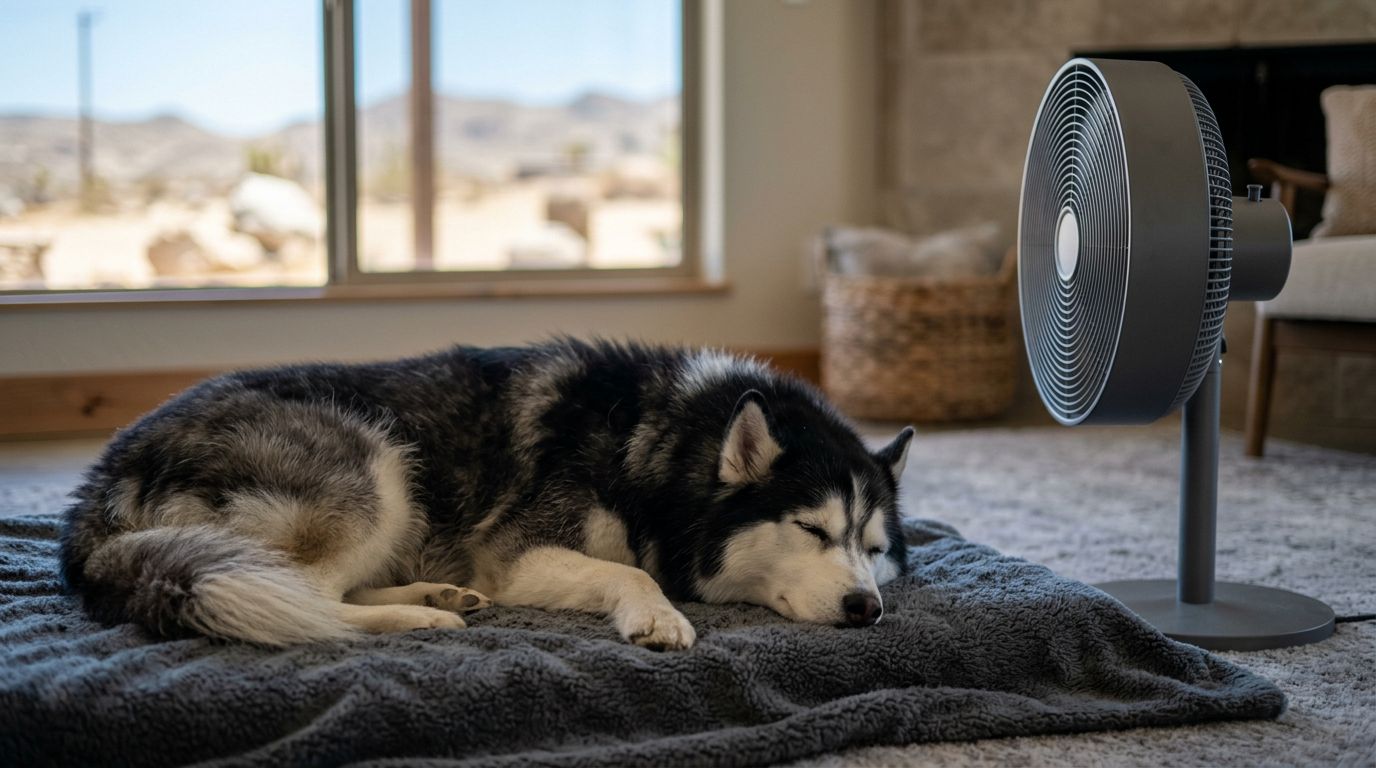
Unlike humans who sweat freely across their skin, dogs and cats possess limited physical mechanisms to cool their bodies. Panting serves as a pet's primary thermal release, evaporating moisture off the tongue and respiratory tract lining. Small sweat glands located between paw pads offer minor supplemental cooling. When ambient air temperatures match or exceed internal body heat, evaporative panting loses efficiency quickly. Trapped thermal energy begins mounting inside the muscle tissue and bloodstream.
Catching heat exhaustion during its initial stage can help prevent more serious internal damage. Uncontrolled, heavy panting usually appears first, accompanied by a rapid heart rate and visible restlessness. Watching an overheated pet often reveals thick, ropey saliva clinging to their lips as dehydration thickens bodily fluids. Gums and tongue can turn bright red as blood vessels dilate to push warm blood toward skin surfaces.
Behavioral changes can signal growing physical distress.
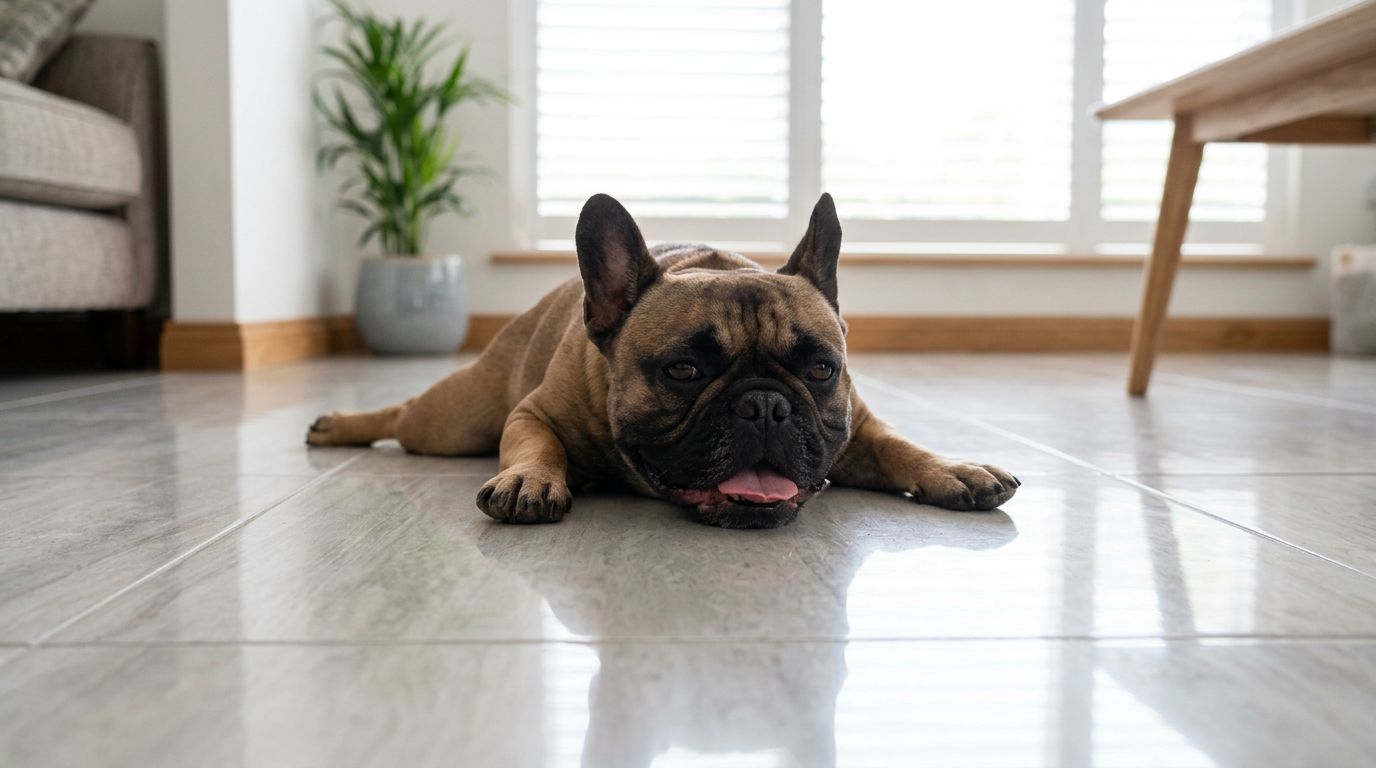
- Seeking cool tile floors, digging into shaded dirt, or lying flat against ground surfaces.
- Glazed eyes, delayed reaction times, and mild unsteadiness when walking.
- Reluctance to obey commands or complete routine exercise outings.
- Excessive drooling paired with dry, tacky oral mucous membranes.
Taking immediate first-aid action can help halt thermal progression before organs suffer. Moving your pet into an air-conditioned room or shaded area stops further environmental heat absorption. Offering small sips of cool, fresh water helps hydrate oral tissues, though forcing large volumes of ice-cold water should be avoided. Applying room-temperature water directly onto paw pads, underarms, and groin areas can support evaporative cooling. Ice water or freezing baths should not be used because sudden extreme cold can constrict surface blood vessels and trigger shivering.
For additional guidance on protecting companion animals from extreme Arizona temperatures, review our Arizona summer pet safety tips.
The Critical Shift to Heat Stroke: Systemic Organ Strain and Cellular Damage
Crossing the clinical line from heat exhaustion into heat stroke marks a dangerous medical crisis. When internal core body temperatures become dangerously elevated, normal cellular proteins can begin breaking down. Microscopic blood vessels can become damaged throughout the body, triggering systemic inflammatory responses. Organs can lose adequate blood flow as cardiovascular function becomes compromised.
Physical symptoms can alter dramatically as cellular damage spreads across internal organ systems. Bright red gums may fade into pale, grayish, or muddy purple tones, indicating severe cardiovascular compromise and poor oxygen delivery. Pinpoint red spots, known as petechiae, may appear on gums or belly skin when blood-clotting mechanisms are impaired.
Advanced heat stroke can manifest through profound neurological and gastrointestinal emergencies.
- Extreme muscle weakness, staggering movement, or complete inability to stand.
- Sudden vomiting and severe, watery or bloody diarrhea caused by intestinal injury.
- Disorientation, unprovoked muscle tremors, seizures, and sudden loss of consciousness.
- Spontaneous bleeding from the nose, mouth, or rectum due to impaired clotting and vascular injury.
Internal damage can accumulate rapidly even if external symptoms seem briefly stabilized. High thermal stress can damage the kidneys, liver, gastrointestinal tract, nervous system, and blood-clotting mechanisms. Transporting your pet directly to a veterinary hospital gives them access to professional monitoring and treatment before complications become irreversible.
Environmental Risk Factors: Car Interiors, Asphalt Pavement, and Breed Susceptibility
Everyday summer routines around Mesa harbor hidden environmental traps capable of causing rapid overheating. Parked vehicles represent a serious cause of fatal hyperthermia in Arizona pets. Cabin temperatures inside a closed automobile can rise rapidly, even on relatively mild mornings. Cracking a window slightly does not provide reliable protection. Leaving a dog inside a parked car during summer errands creates an immediate life-threatening emergency.
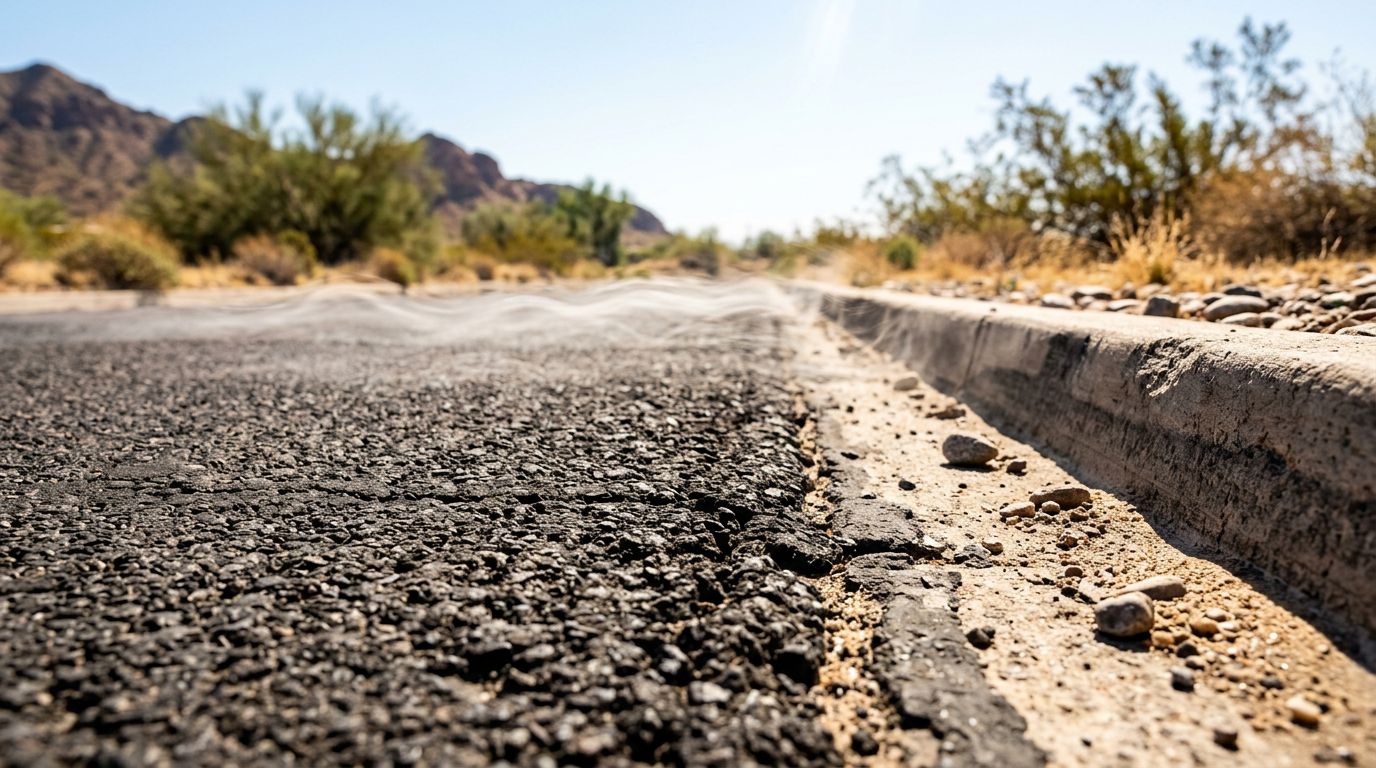
Ground surfaces trap and radiate intense thermal energy long after ambient air temperature stabilizes. Black asphalt and dark concrete pavement can become dangerously hot under direct Arizona sunlight. Walking a pet across hot street surfaces can injure delicate paw pad tissue. Radiant heat rising off sun-baked ground can also increase thermal stress, particularly for low-slung dogs.
Certain physical profiles increase a pet's vulnerability to thermal stress.
- Flat-faced brachycephalic breeds, including Pugs, Bulldogs, Boxers, and Persian cats, can struggle to move air efficiently through narrowed airways.
- Senior pets with reduced cardiovascular reserve or chronic respiratory conditions.
- Overweight companions whose additional body mass can make heat dissipation more difficult.
- Double-coated breeds like Huskies or Samoyeds that are unaccustomed to desert climates.
- Animals managing pre-existing heart disease, tracheal collapse, or metabolic illness.
Hot pavement presents another preventable summer hazard. Our guide to protecting your pet's paws from hot Arizona pavement provides additional safety considerations for outdoor walks.
Advanced Care at Adobe Veterinary Clinic: Solving High-Desert Health and Emergency Concerns
Surviving a thermal crisis requires immediate clinical stabilization overseen by experienced veterinary professionals. Situated at 6454 East Main St in Mesa, AZ, Adobe Veterinary Clinic delivers full-spectrum emergency, medical, and surgical care tailored to high-desert health challenges. Our medical facility maintains emergency cooling protocols, providing controlled thermal reduction designed to protect internal organ systems without creating additional circulatory stress.
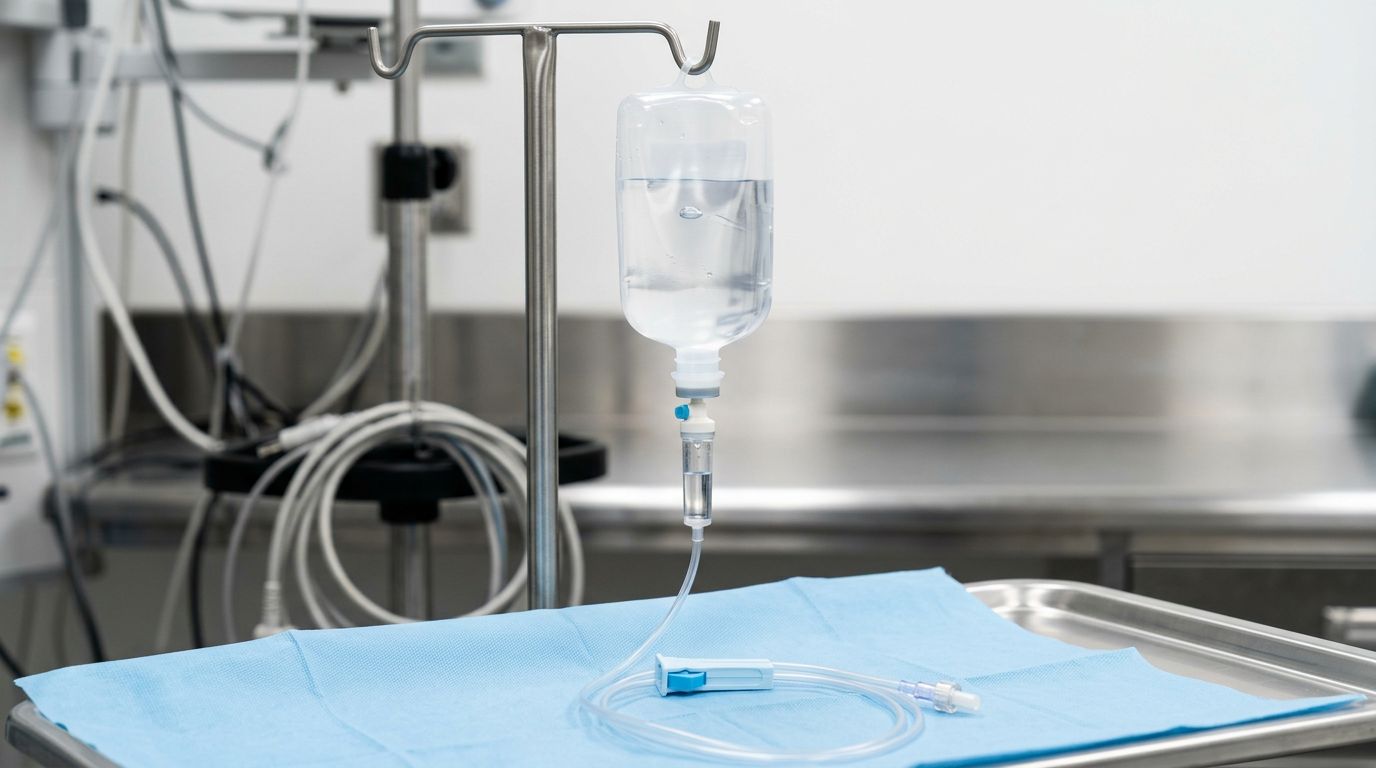
Intensive medical interventions begin the moment an overheated patient arrives at a veterinary hospital. Temperature-regulated intravenous fluids can rehydrate dehydrated tissues, support blood pressure, and help address metabolic disturbances. Supplemental oxygen therapy can optimize tissue oxygenation as body temperature is brought safely toward normal ranges.
Advanced diagnostic capabilities allow our East Valley medical team to evaluate internal organ function and identify complications.
- In-house blood chemistry panels assessing kidney values, liver enzymes, electrolyte balances, and muscle breakdown markers.
- Digital radiology evaluating lung fields for fluid accumulation and other respiratory complications.
- Ultrasound imaging checking internal organs and detecting abdominal abnormalities.
- Continuous electrocardiogram monitoring tracking heart rhythms and detecting cardiac arrhythmias associated with severe thermal stress.
Beyond emergency heat care, our clinic provides comprehensive medical solutions to keep Mesa pets healthy year-round. Annual preventive wellness examinations, customized vaccination schedules, and senior bloodwork screens can identify cardiovascular or metabolic issues before summer heat hits. Our full-service hospital handles soft tissue and orthopedic surgery, professional dental cleanings under anesthesia, microchipping, boarding, and grooming under one roof.
Routine preventive pet examinations are an important part of identifying health concerns that may affect a pet's ability to tolerate Arizona's extreme temperatures.
High-Desert Prevention Routines: Protecting Mesa Pets Throughout Summer
Preventing thermal illness requires adjusting daily routines to match Arizona's high-desert climate. Walking dogs during early dawn hours before ground surfaces absorb solar energy protects paw pads and limits heat stress. Testing pavement safety takes seconds; pressing the back of your bare hand firmly against asphalt for several seconds can help determine whether ground temperatures are safe for a walk. If the street feels uncomfortably hot to your skin, it remains dangerous for dog paws.
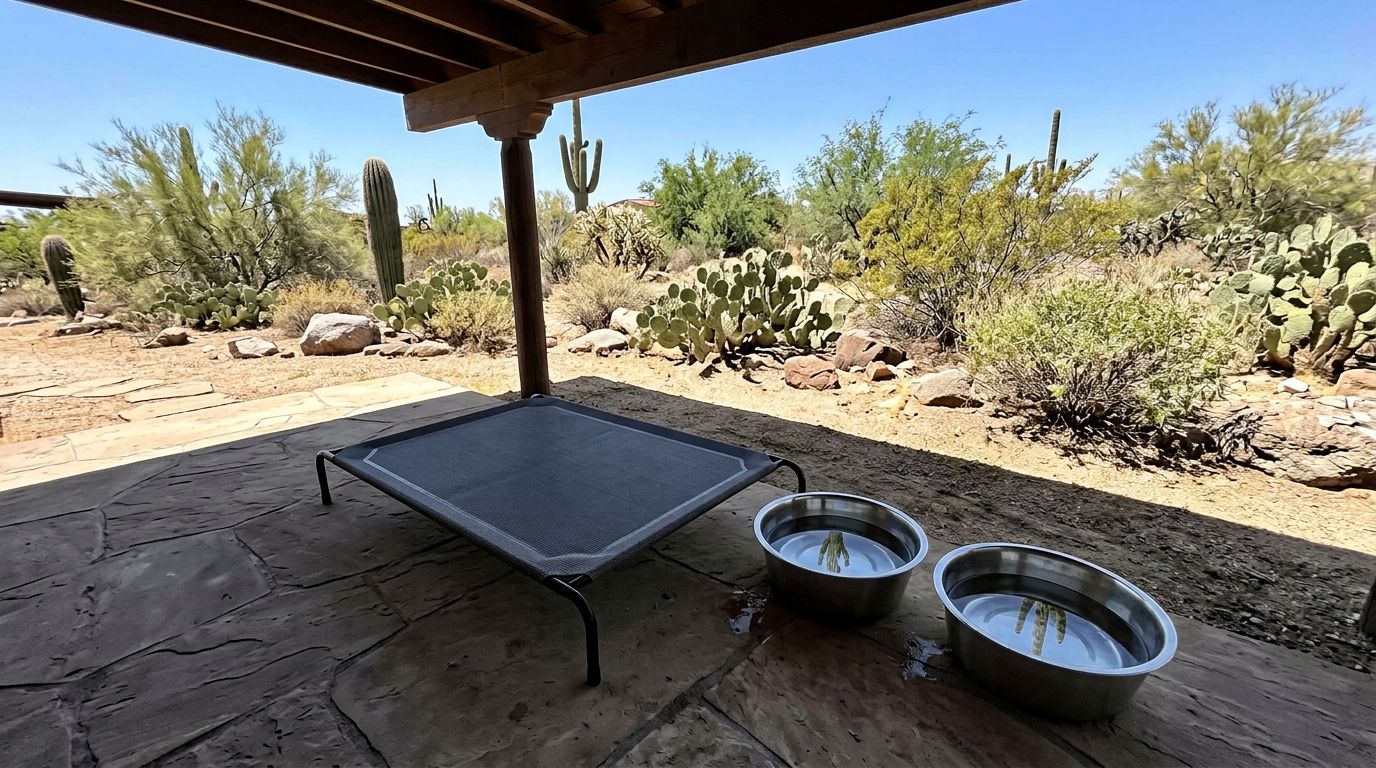
Creating safe outdoor spaces keeps pets comfortable during brief backyard breaks. Supplying multiple fresh, shaded water stations prevents accidental dehydration if a water bowl tips over. Elevated mesh pet beds allow air circulation beneath resting animals, keeping them off hot patio pavers.
Setting up smart home safeguards protects pets during peak afternoon heat.
- Maintaining indoor air conditioning at a comfortable temperature even while away from home.
- Installing pet-safe window coverings to block intense direct solar radiation indoors.
- Providing indoor enrichment games, puzzle toys, and hallway fetch sessions to burn energy safely inside.
- Saving Adobe Veterinary Clinic's emergency contact details and Main St location directly into your phone for immediate access.
Year-round preventive care also helps identify conditions that may become more difficult to manage during extreme temperatures. Keeping vaccinations current is part of a comprehensive pet preventive care plan.
Essential Arizona Pet Thermal Safety Insights
How do I determine if my pet requires immediate emergency veterinary care for heat-related illness in Mesa?
Immediate emergency veterinary care is warranted if your pet collapses, staggers, displays muddy or pale gums, vomits, develops pinpoint skin bruising, has seizures, or becomes unresponsive. An abnormally elevated body temperature is also a serious warning sign. Transporting your pet to Adobe Veterinary Clinic promptly allows veterinary professionals to begin appropriate fluid therapy, oxygen support, temperature management, and monitoring before complications progress.
Where is Adobe Veterinary Clinic located, and what thermal emergency and diagnostic services do you provide?
Adobe Veterinary Clinic is located at 6454 East Main St in Mesa, AZ, delivering comprehensive medical and surgical care for East Valley pets. The facility provides hyperthermia stabilization, temperature management, intravenous fluid support, supplemental oxygen, and continuous vital sign monitoring. On-site diagnostic tools include in-house blood chemistry testing, organ function panels, digital X-rays, ultrasound imaging, and cardiac monitoring to help evaluate internal health during medical emergencies.
What is the safest way to cool down an overheated dog or cat before transporting them to the vet?
Safely cooling an overheated pet involves moving them to an air-conditioned or shaded environment and using cool-to-lukewarm water on areas such as the paws, armpits, and groin while preparing for veterinary care. Offering small amounts of drinking water may help if the pet is alert and able to swallow safely, but forcing water into a distressed animal should be avoided. Ice baths and extremely cold water should not be used because they can cause shivering and interfere with controlled heat loss.
Why are flat-faced breeds and senior pets at significantly higher risk for heat stroke during Arizona summers?
Brachycephalic breeds, such as Pugs, French Bulldogs, Boxers, and Persian cats, can have anatomical airway limitations that make effective panting more difficult. Because panting is a major mechanism for heat dissipation, respiratory restrictions can increase their risk during high ambient temperatures. Senior pets may also face greater thermal risk because age-related changes and underlying chronic conditions can limit their ability to respond to temperature stress.
Does Adobe Veterinary Clinic offer routine preventive wellness checkups and summer health screenings?
Our medical team provides preventive wellness examinations, annual physical checkups, senior health screenings, and summer risk evaluations for East Valley pets. Routine blood chemistry panels, urinalysis, and cardiac auscultations can help veterinarians identify health changes that may affect thermal tolerance. Wellness visits also provide an opportunity to discuss summer safety strategies and maintain an appropriate preventive care schedule.
Partnering with Adobe Veterinary Clinic for Lifelong Desert Safety
Distinguishing early heat exhaustion from full-blown heat stroke helps protect your companion from severe physiological damage during Arizona's intense summer season. Acting quickly when thermal signs appear can save lives. Simple preventive habits, careful activity timing, and constant environmental awareness allow dogs and cats to enjoy active desert living more safely alongside their human families.
Building a strong healthcare safety net gives your pet a solid foundation for a long, healthy life in the East Valley. Whether you need an emergency evaluation, a summer wellness checkup, a microchip update, or routine senior care, our compassionate medical team is ready to help.
Call Adobe Veterinary Clinic at (480) 832-2240 or visit our clinic at 6454 East Main St in Mesa, AZ to schedule your pet's appointment and build a proactive plan for protecting your faithful companion through every Arizona season.