


Why Boredom is Dangerous for Dogs
The Hidden Stress of Empty Hours: Why Canine Under-Stimulation is a Medical Priority
Modern household schedules in the East Valley often require family members to spend long days away from home. Parents commute to work, children head to school, and houses remain empty for eight to ten hours at a time. While these routines are a standard part of modern life, they can unintentionally subject our canine companions to prolonged stretches of complete isolation and inactivity. Dogs are highly intelligent, inherently social pack animals descended from working ancestors who spent their days tracking, herding, or retrieving. When placed in a completely stagnant environment with nothing to occupy their minds, their emotional and physical well-being begins to deteriorate.
Table of Contents
- The Destructive Outlet: Recognizing the Physical Risks of Chronic Mental Stagnation
- Cognitive Workout: How Interactive Obstacles and Puzzles Alter Canine Brain Chemistry
- When Boredom Breaks Bones: The Urgent Intersection of Behavioral Frustration and Emergency Medicine
- Proactive Wellness on Main Street: How Our Comprehensive Services Tackle Behavioral and Physical Health
- Independent Care Standards: Why Our Main Street Family Practices Deliver Superior Pet Advocacy
- Mesa Behavioral Care Guide: Pressing Inquiries on Canine Stimulation
- Restoring Balance and Joy to Your Dog’s Daily Routine
A lack of consistent mental engagement is not just a minor behavioral inconvenience or a temporary phase that a dog will simply outgrow. It represents a real, ongoing psychological threat that damages an animal’s emotional equilibrium. When a dog has no constructive way to use their cognitive energy, their brain does not simply shut down or rest peacefully. Instead, the lack of stimulation causes mental frustration, which quickly turns into chronic stress and generalized anxiety. This mental stagnation affects the animal’s entire internal system, altering how they interact with their human family and their surroundings.
From a clinical veterinary perspective, chronic boredom triggers systemic physiological stress responses that harm a dog’s health. When an animal experiences ongoing frustration, their adrenal glands constantly release stress hormones like cortisol into the bloodstream. Elevated cortisol levels over weeks or months cause measurable damage, wearing down the immune system and leaving the dog much more vulnerable to infections, systemic inflammation, and chronic illness. For this reason, mental enrichment must be treated as a core pillar of preventative veterinary health rather than an optional luxury or a weekend indulgence. Protecting your dog’s mind is just as vital as managing their physical vaccinations and nutritional intake.
The Destructive Outlet: Recognizing the Physical Risks of Chronic Mental Stagnation
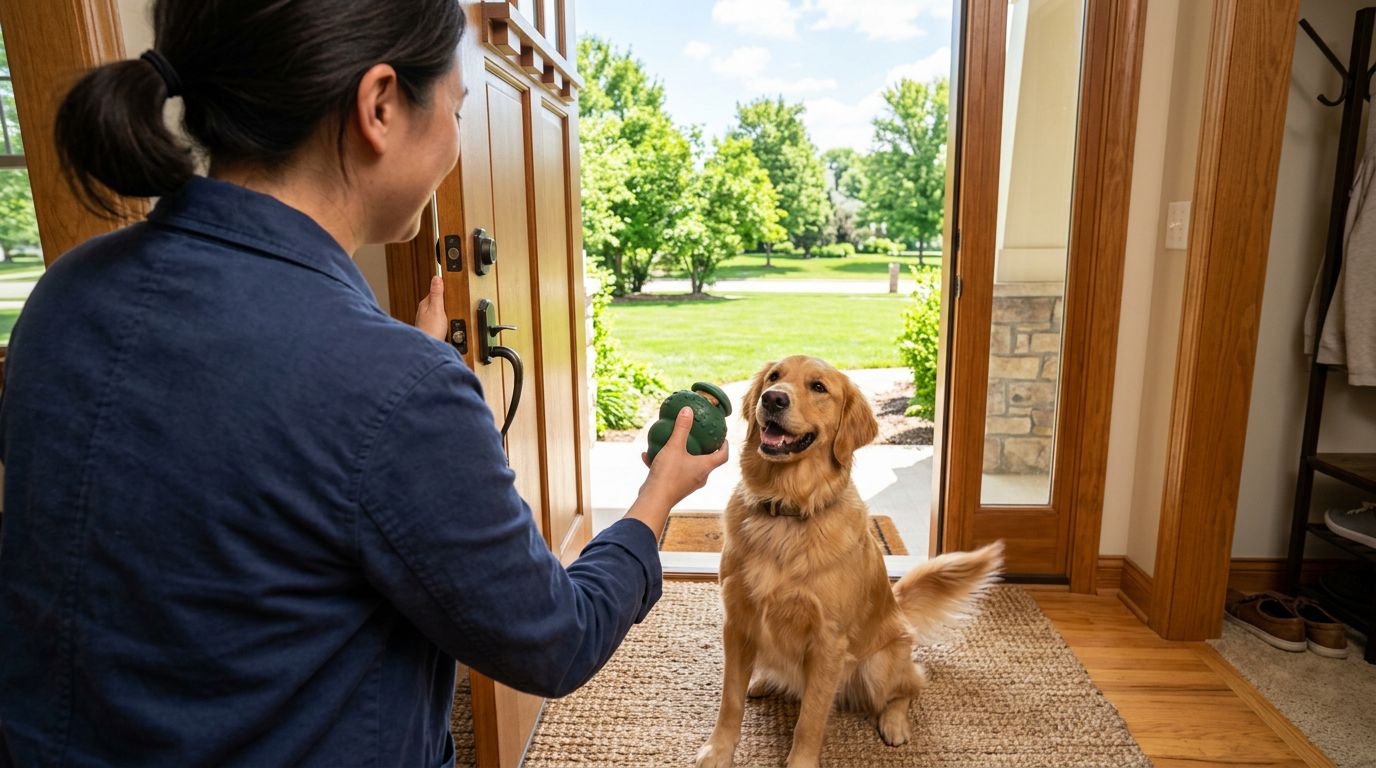
When a dog’s cognitive needs are systematically ignored, the trapped mental energy must eventually find an alternative path out of the body. Severe under-stimulation frequently manifests through intense, dangerous physical behaviors that can catch owners by surprise. A common real-world scenario involves an owner coming home from a long day at work to find their property damaged: baseboards chewed to pieces, holes dug completely through the drywall, or expensive furniture ruined.
Many pet families misinterpret these actions, believing their dog is acting out of spite, anger, or revenge because they were left alone. This is a significant misconception that stops owners from solving the root issue. Dogs do not possess the cognitive capacity for spite. These destructive actions are actually clear distress signals and physical coping mechanisms for overwhelming anxiety. Chewing and digging are natural, instinctual behaviors that release soothing chemicals in a dog’s brain. When left in an empty house, an under-stimulated pet uses these behaviors frantically to self-soothe and pass the empty hours.
- Obsessive chewing on door frames, baseboards, and household trim to relieve internal mental tension.
- Frantic digging into carpets, rugs, or drywall, which can cause severe abrasion injuries to the paws and nails.
- Constant, repetitive fence-pacing or stereotypic spinning that puts unnatural, uneven wear on skeletal joints.
- Obsessive self-licking or chewing at the front legs and paws, leading to hair loss and painful, infected skin sores known as lick granulomas.
A completely stagnant environment can cause a companion animal to inadvertently injure themselves or ingest hazardous materials within their living spaces. A bored dog exploring the house out of sheer frustration may tear open cabinets, chew through electrical cords, or rip apart household items containing hidden dangers like nails, staples, or toxic adhesives. They may also swallow pieces of the blankets, shoes, or drywall they are destroying. This behavior moves the problem from a simple household training issue directly into a dangerous medical scenario that threatens the animal’s life.

Cognitive Workout: How Interactive Obstacles and Puzzles Alter Canine Brain Chemistry
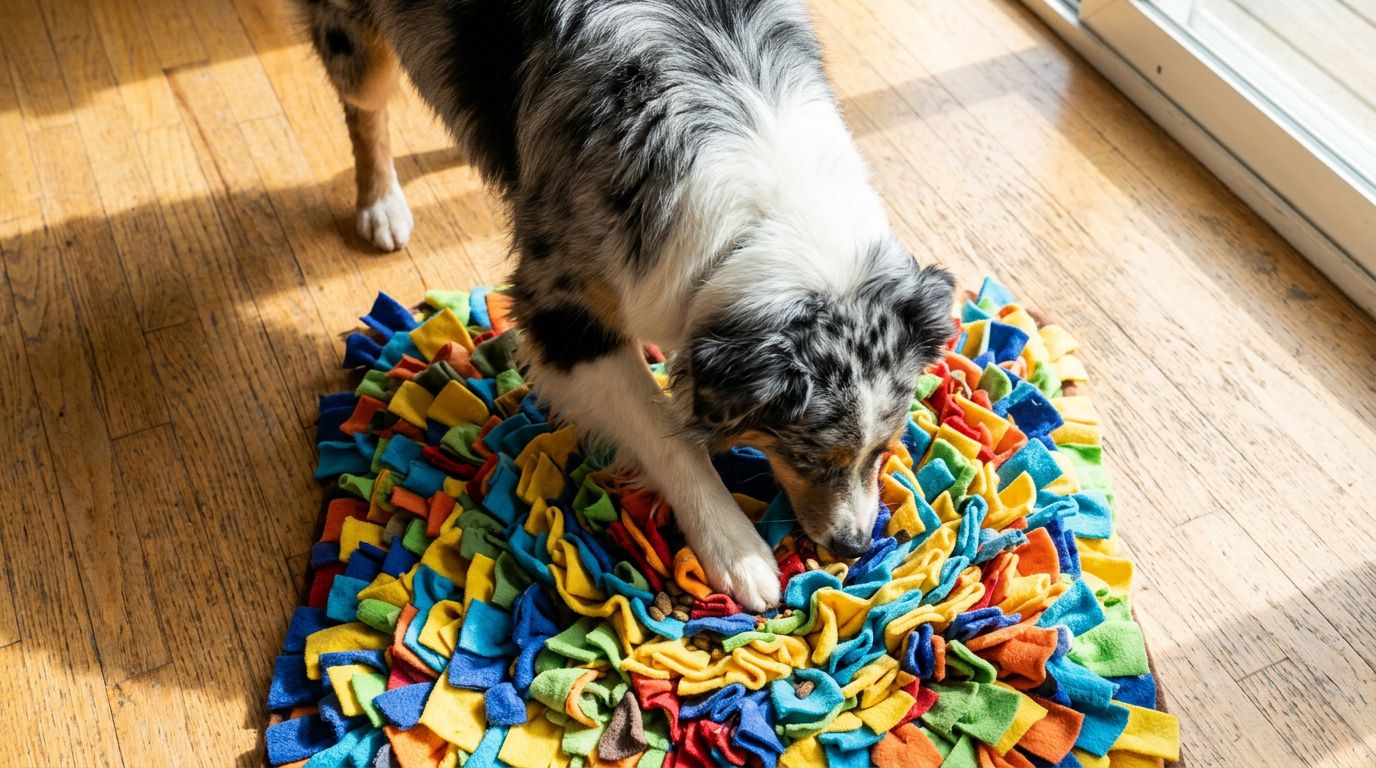
Providing your dog with targeted mental stimulation through interactive tools completely changes their daily routine and improves their internal health. Utilizing advanced treat puzzles, durable food-dispensing systems, and scent-tracking snuffle mats provides a constructive channel for their natural drives. These tools force an animal to use their eyes, paws, and nose to solve problems, mimicking the natural foraging and hunting behaviors their ancestors relied on for survival.
Forcing a dog to actively problem-solve for their rewards triggers a healthy release of dopamine and other feel-good neurotransmitters in the brain. This neurological activation brings a deep sense of satisfaction and calm, shifting the dog’s internal state from anxious frustration to peaceful relaxation. Engaging a dog’s brain through a puzzle tires them out much more efficiently and safely than hours of basic physical running alone. A twenty-minute mental workout can leave a high-energy dog resting peacefully on their bed, effectively lowering their systemic cortisol levels and reducing overall household stress.
- Rotate enrichment toys every few days to keep the challenges completely fresh and engaging for your pet.
- Feed regular daily meals inside food-dispensing puzzles to extend meal times and challenge their problem-solving skills.
- Incorporate scent-tracking activities like snuffle mats to engage their natural olfactory instincts and focus their attention.
- Introduce variable difficulty levels gradually, ensuring your dog builds confidence without becoming frustrated by an impossible task.
Implementing these cognitive obstacles into your dog’s daily routine directly helps decrease separation anxiety. When a dog learns that your departure matches with receiving a high-value, highly engaging treat puzzle, their emotional association shifts. Instead of viewing your exit as the start of long, empty hours of isolation, they begin to view it as an opportunity to engage in a rewarding task. This mental focus channel keeps them occupied during the critical first thirty minutes after you leave, which is when separation panic typically peaks, preventing the escalation of anxious behaviors.
When Boredom Breaks Bones: The Urgent Intersection of Behavioral Frustration and Emergency Medicine
The line connecting behavioral under-stimulation to a physical medical emergency is direct and well-documented in clinical veterinary medicine. When a bored dog resorts to chewing inappropriate household items to relieve stress, they expose themselves to severe dental and internal trauma. Frustrated animals frequently bite down on incredibly hard objects like heavy plastic crates, metal furniture legs, window sills, or rocks found in the yard. This intense, repetitive pressure often results in fractured teeth, specifically causing painful pulp exposure on the large carnassial teeth that requires advanced veterinary dental extractions to resolve.
An even greater physical threat is the accidental swallowing of non-food items during destructive chewing sessions. When a dog tears apart a plush toy, an old shoe, a tennis ball, or pieces of household carpet, they often swallow the fragments. These foreign materials cannot be broken down by the stomach’s digestive acids. The swallowed shards move into the intestinal tract, where they can easily become lodged in the narrow pathways, creating a complete, life-threatening intestinal blockage.
An intestinal obstruction cuts off the vital blood supply to the surrounding tissues, causing rapid cell death and severe abdominal infection. This leaves the pet owner facing a sudden medical crisis that requires emergency soft-tissue surgery to locate and remove the foreign object before the intestinal wall ruptures. Managing your pet’s mental health through safe, interactive play is a vital preventative step. It keeps them from developing the anxious chewing habits that lead directly to severe physical trauma and unexpected surgical emergencies.

Proactive Wellness on Main Street: How Our Comprehensive Services Tackle Behavioral and Physical Health
Managing a dog’s complete well-being requires an approach that evaluates both behavioral changes and physical health markers. Adobe Veterinary Clinic provides comprehensive medical pathways designed to accurately diagnose and treat the root causes of your pet’s discomfort. When an owner notices a sudden shift in behavior, such as a normally calm dog suddenly becoming destructive or restless, a thorough evaluation is necessary to determine exactly what is driving the problem.
Our detailed comprehensive wellness examinations allow our veterinary team to look at the whole animal. Sometimes, a pet appears restless or begins chewing on things not out of pure boredom, but because a hidden physical problem like senior arthritis or chronic dental pain is making them uncomfortable. An animal in pain will often pace, chew, or destroy items in an attempt to cope with their physical distress. Our practitioners use precise digital diagnostics and internal laboratory screenings to rule out these hidden medical ailments before building a behavioral management plan.
Our facility provides a full spectrum of services to treat both the physical outcomes of under-stimulation and the primary behavioral triggers. We provide professional dental cleanings and oral surgeries to repair teeth damaged by inappropriate chewing, alongside routine and urgent soft-tissue surgeries for foreign body removals. We also offer personalized behavioral and nutritional consultations to help you select the safest enrichment tools and diets for your dog’s specific needs, creating a complete defense system that supports your pet’s long-term health and longevity.
Independent Care Standards: Why Our Main Street Family Practices Deliver Superior Pet Advocacy
Adobe Veterinary Clinic has operated as a trusted, reliable community anchor on Main Street, serving local pet owners across the East Valley since 1975. Dr. Greg Heitman purchased the clinic in 1988, establishing a dedicated, family-centered philosophy that prioritizes client communication and honest, reliable medicine. Today, his sons, Dr. Phil Heitman and Dr. Andrew Heitman, work collaboratively alongside Dr. Jeff Brown and Dr. Ryan Buzard to maintain this exceptional standard of care for every animal that enters our doors.
Our status as an independent, family-owned veterinary practice means our medical team answers directly to our clients and their pets rather than a remote corporate board or investment group. This independence gives our doctors the structural freedom to take the necessary time with every patient, conducting thorough behavioral and physical assessments without the pressure of corporate sales quotas. We design highly individualized treatment plans tailored specifically to your dog’s unique lifestyle and your family budget, ensuring your pet receives exactly what they need to stay healthy.
We believe that high-quality preventative medicine should stay straightforward, transparent, and completely focused on the animal’s true quality of life. We refuse to push expensive corporate subscription models or unnecessary diagnostic packages that complicate your pet’s care. When you bring your dog to our Main Street hospital, you are partnering with an experienced, compassionate local team that treats your animal like a member of our own family, ensuring fair, straightforward pricing for lifelong wellness.
Mesa Behavioral Care Guide: Pressing Inquiries on Canine Stimulation

Restoring Balance and Joy to Your Dog’s Daily Routine
A dog’s psychological health is completely intertwined with their physical longevity, and chronic under-stimulation is a progressive concern that will not simply resolve on its own. Leaving a highly intelligent animal in a stagnant environment for long hours forces them to find their own physical outlets, leading directly to destructive habits, severe dental fractures, or life-threatening foreign object blockages. Combining smart mental enrichment habits at home with professional veterinary oversight is the most effective way to safeguard your companion from behavior-driven medical emergencies.
The experienced team at Adobe Veterinary Clinic is ready to help you build a comprehensive health plan that addresses both the mental and physical needs of your pet. Our independent facility on Main Street possesses the advanced digital diagnostics, surgical capabilities, and behavioral expertise required to restore balance and joy to your dog’s daily routine. Take a proactive step to protect your companion before an isolation period scales into a severe household destruction or ingestion crisis. Pick up your phone and call or text our dedicated staff at 480-832-2240 right away, or stop by our Main Street hospital to schedule a comprehensive wellness assessment that guarantees your favorite four-legged family member enjoys a safe, comfortable, and truly fulfilling life.